
Key takeaways
- WestJet grounded 458 daily flights after flight attendants struck over pay for ground time with the door open, a compensation model Air Canada and Delta have already adopted.
- The strike disrupts service to 27 US destinations, with major impact at Los Angeles, Las Vegas, and Atlanta hubs.
- Frequent flyers can rebook once with no fee through August 4, but should act immediately before award seat inventory is exhausted.
- WestJet Encore's 35-aircraft regional fleet continues operating but cannot absorb the volume of 458 canceled mainline flights.
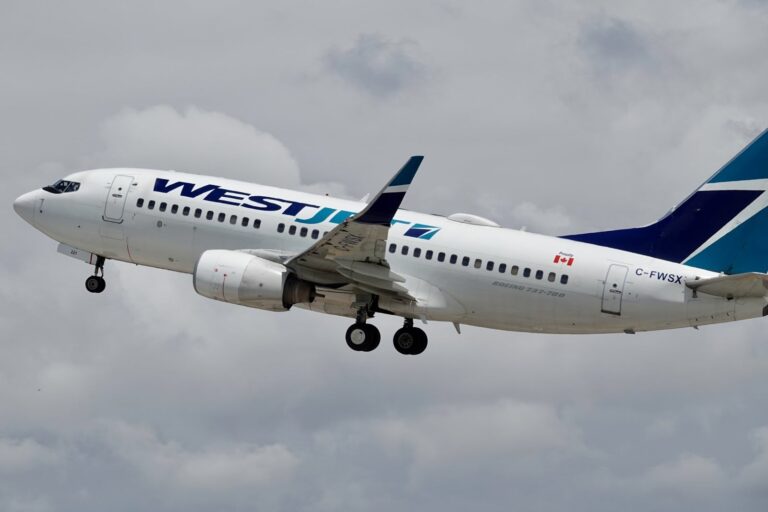
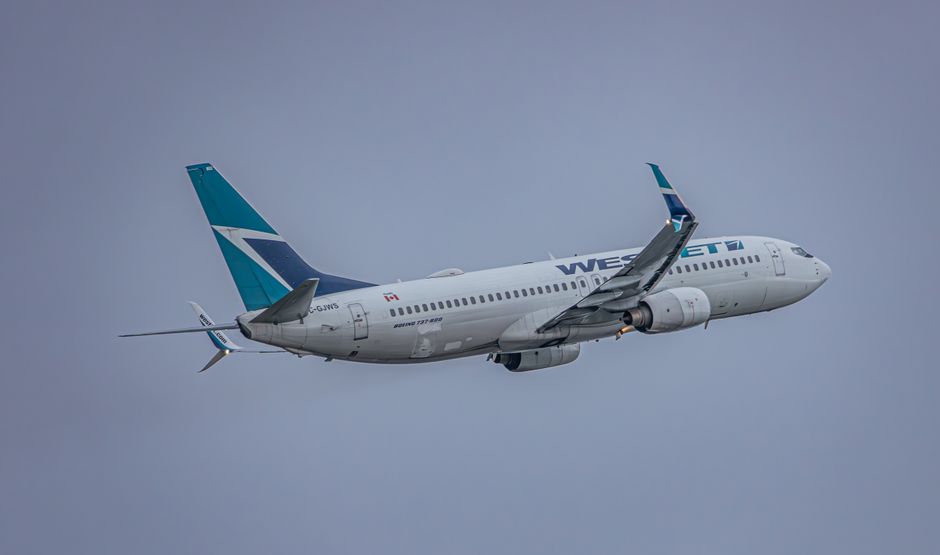
Canada’s second-largest airline, WestJet, grounded its entire fleet overnight after flight attendants represented by the Canadian Union of Public Employees (CUPE) initiated a walkout. The strike has resulted in the cancellation of hundreds of flights, stranding passengers across North America and creating immediate challenges for frequent flyers with awards and paid reservations.
Scale of the Disruption
WestJet operates an average of 458 daily flights under its mainline brand, with approximately two-thirds departing from Calgary International Airport (YYC), according to data from aviation analytics firm Cirium. The airline’s regional affiliate, WestJet Encore, continues operating its separate schedule using 35 de Havilland Canada Dash 8-Q400 turboprops based at Calgary and Vancouver International Airport (YVR).
The timing of the strike leaves only Encore’s limited regional network operational. While this preserves some connectivity, Encore’s fleet size means the vast majority of WestJet’s intended schedule simply does not run.
North American Network Impact
US Gateway Strategy Before the Strike
WestJet maintains a significant transborder presence, serving 27 destinations across the United States. The airline’s three largest American gateways by departure volume are Los Angeles International Airport (LAX), Harry Reid International Airport (LAS) in Las Vegas, and Hartsfield-Jackson Atlanta International Airport (ATL). This network positions WestJet as a secondary option for North American travelers seeking connections beyond Canada’s primary hubs.
Partnership with Delta
WestJet’s close partnership with Delta Air Lines adds complexity to the disruption. Passengers holding award tickets on WestJet may have connectivity obligations through Delta, and the strike directly impacts those interline routings. Delta frequent flyers using WestJet to position to connecting flights now face cascading cancellations.
Regional Alternatives
With Encore continuing to operate from YYC and YVR, some regional connectivity survives. However, Encore’s Dash 8-Q400 turboprops serve routes with significantly lower capacity than mainline aircraft, making it mathematically impossible to absorb the demand of 458 daily canceled flights.
What Travelers Can Do Right Now
WestJet is offering flexibility through August 4 for passengers with affected bookings. Travelers with flights scheduled through that date can execute one one-time flight change or complete cancellation with no fee. This policy extends to both paid tickets and award bookings, though the airline has not specified whether award changes will require the same point differential or not—a detail that matters significantly for premium cabin awards and long-haul routes.
The one-time change window is important but time-sensitive. Passengers should act immediately rather than waiting for clarity on eventual resumption, as seat availability on rebooking flights will diminish rapidly. For award travelers, rebooking to an earlier date (if available) on an alternative carrier may preserve cabin and routing choices.
Delta, as a close partner, may accommodate certain WestJet passengers on its own flights through a customer service process, though the airline has not formally announced a generalized waiver. Calling Delta directly with a WestJet itinerary may yield options for crediting the reservation toward a Delta booking.
The Labor Dispute at the Center
The Core Disagreement Over Compensation
The fundamental conflict centers on pay for ground time. CUPE is demanding that flight attendants receive compensation for all time worked, including ground time when the aircraft door is open. This includes time spent at the airport during the boarding process, passenger deplaning, and turnaround procedures. Currently, few airline flight attendants in Canada are compensated for this ground-based work.
Recent Industry Precedent
This demand reflects shifting industry standards. Air Canada agreed to pay cabin crew members for boarding time in 2025, a concession it made after enduring a three-day strike. The precedent extends internationally: Delta began compensating its flight attendants at half their hourly rate for boarding time in 2022. These changes represent structural shifts in how North American carriers approach crew compensation.
WestJet’s Position
WestJet has characterized its negotiating stance as offering “an industry-leading, transformative agreement” to CUPE. The airline has not publicly disclosed the specifics of its offer, including whether it addresses the full ground-time compensation demand or offers a partial solution comparable to the Air Canada and Delta models.
Implications for Frequent Flyer Programs
Passengers holding WestJet status or significant balances in the WestJet Rewards program face exposure. Award bookings made months in advance may now be unclaimed, forcing last-minute rebooking that may require point supplements or reinstatement fees depending on the airline’s specific policy.
Elite frequent flyers should prioritize calling WestJet directly rather than relying on online tools. The customer service queue will be overloaded, but phone-based advocates can often negotiate alternatives or point extensions given the force majeure nature of labor action.
For those holding WestJet awards scheduled through early August, the rebooking window is now. Competitors’ award availability typically diminishes under strike scenarios, as involuntary customers from the struck airline flood the market.
The Ongoing Risk
While the August 4 rebooking deadline provides immediate guidance, the strike’s resolution timeline remains uncertain. CUPE has not publicly indicated willingness to accept WestJet’s characterization of its offer, and the airline has not tabled specific revised terms. This suggests negotiations are in early stages, and the disruption could extend beyond the current communication window.
Passengers with flights booked after August 4 should proactively contact WestJet to understand whether those bookings will be protected, rebooked automatically, or subject to the same change policy. Early intervention now prevents being locked into a canceled flight with only emergency rebooking options.
WestJet Encore: The Operational Lifeline
Encore’s continuation offers limited consolation. The regional affiliate’s 35-aircraft fleet simply cannot substitute for mainline operations. Passengers previously booked on WestJet’s large twin-aisle and narrow-body aircraft serving LAX, LAS, and ATL will find no equivalent Encore flights on those routes. Encore primarily serves shorter regional markets, and its schedule does not extend meaningfully into the United States beyond regional gateways.
Frequently Asked Questions
Until when can I rebook my WestJet flight for free?
WestJet is allowing one-time flight changes or cancellations with no fee for all passengers with flights booked through August 4, 2026.
Is WestJet Encore still flying?
Yes, WestJet Encore continues operating its regional schedule using 35 de Havilland Canada Dash 8-Q400 aircraft from Calgary and Vancouver, though it cannot absorb mainline traffic volume.
What is CUPE demanding that caused the strike?
The Canadian Union of Public Employees wants flight attendants paid for all time worked, including ground time when the aircraft door is open during boarding and deplaning, which is not currently compensated.
