
Key takeaways
- Day-use hotel rooms and early check-in perks can reset your body on arrival day without requiring a full night's stay.
- Shower access through airport lounges or arrivals facilities often matters more than a nap after a red-eye flight.
- Rare daylight transatlantic flights eliminate jet lag entirely and warrant consideration if your schedule allows.
- Business-class upgrade offers fluctuate dramatically; monitoring your airline app can surface deals under $600 per person.
The Overnight Flight Challenge
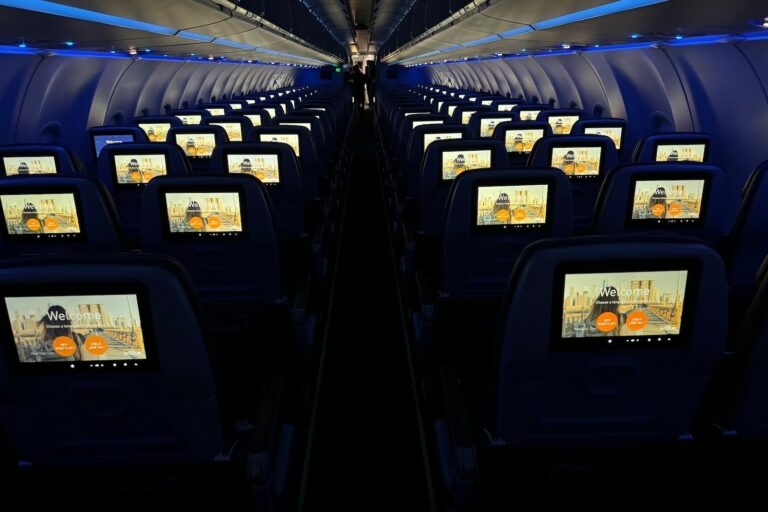
Red-eye flights are an unavoidable part of transcontinental travel, particularly if you’re routing from North America to Europe, Southeast Asia, Australia, the Middle East, or South America. The flight schedules dictate it: most transatlantic departures leave late evening, covering the Atlantic overnight, and touch down in Europe early morning local time. Deep South American itineraries, Asian routes, and Middle Eastern destinations follow similar patterns. The challenge isn’t the flight itself—it’s what comes next. After 10–17 hours in economy or business, with interrupted sleep and a circadian rhythm pointing firmly in the wrong direction, you land in a city where you’re expected to function normally.
The equation is simple: poor sleep plus jet lag plus an unpleasant first impression of your destination. But it’s solvable, if you know the levers to pull.
Same-Day Recovery: The Hotel Advantage
Nothing resets the body quite like a real bed and shower before noon. If your itinerary allows, a hotel room during your first day makes the difference between a miserable afternoon and actually enjoying your arrival city.
Day-Use Reservations as a Recovery Tool
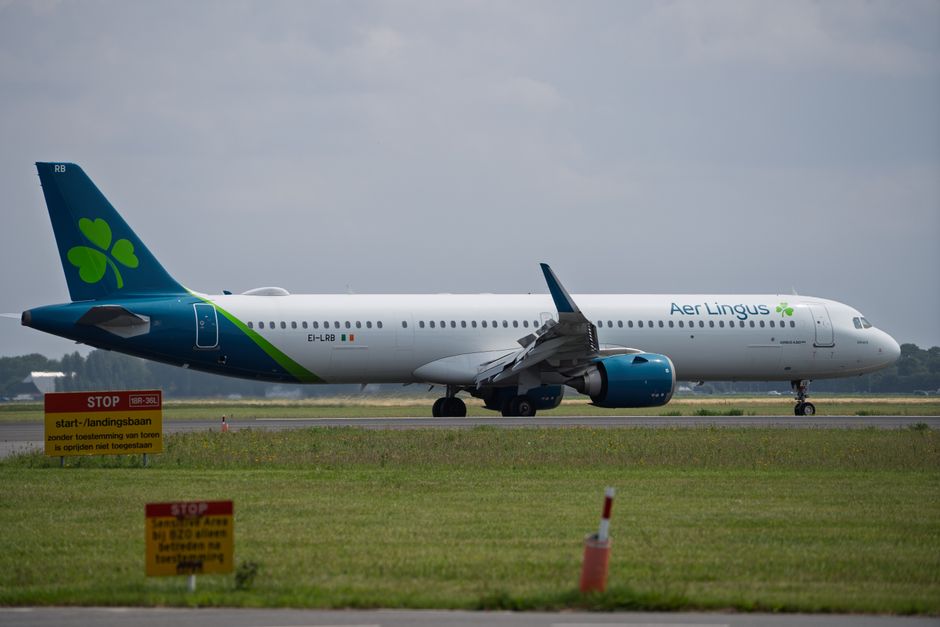
The day-use hotel model—check in for a few hours rather than a full night—has become mainstream enough that many chains now offer it through dedicated platforms. Hilton’s WorkSpaces by Hilton is one such portal. Earlier this summer, I booked a day-use room at the Hampton by Hilton Dublin City Centre after landing from an overnight Aer Lingus flight from the United States in economy. The stay was brief—a shower, a change of clothes, a 90-minute nap—but transformed the subsequent eight hours of exploring Dublin from a trudge into an actual experience. The bonus: Hilton Honors points posted for the stay, and the day-use reservation counted toward elite night credits. Travel rewards players track these details for a reason: every qualification adds up toward status thresholds.
Day-use pricing varies. Some properties charge a flat rate for a set number of hours. Others, including a recent booking by Travel Points Guy editor Summer Hull, offer hourly rates, making the cost-benefit analysis simpler if you’re only grabbing a two-hour window.
Early Check-In: Status and Credit Card Play
Not every destination calls for a full day-use reservation. Sometimes a standard early check-in gets you across the finish line.
If you hold an eligible American Express card, the Amex Fine Hotels + Resorts collection bundles a 12 p.m. early check-in (when available) with each booking. Separately, many hotel loyalty programs extend early check-in as a standard elite status perk, and some allow members to specify custom check-in and check-out times in advance. The Hilton credit card, for instance, provides benefits that often include early check-in consideration.
Earlier this year, I landed in Singapore after a 17-hour flight and approached the front desk expecting to wait hours. A straightforward conversation—pleasantries, not demands—landed me an 8 a.m. check-in into a room that was technically not available until the standard time. It cost nothing extra and reset my day entirely.
The Negotiation Path
Sometimes the answer is as simple as asking. Hotels operate on occupancy forecasts. If a room sits empty and checkout has cleared, many properties’ front desk teams have the discretion to hand over keys early. This isn’t a guarantee, but it’s worth 60 seconds of polite conversation.
The Shower Factor
A strange thing happens after 15 hours confined to an airplane seat: the shower becomes more valuable than sleep. A wash, fresh clothes, and a change of environment can signal to your body that the travel day has ended, even if your brain is operating on the wrong time zone.
Connecting Flights and Airport Lounges
If you’re catching a connection, lounge access becomes a hygiene lifeline. Many premium lounges at major airports include shower suites. After landing from a red-eye but facing another leg of travel, a lounge shower cuts through the malaise of sleeping in airplane clothes and transforms the connecting flight experience. It’s not glamorous, but for a second flight of the day, it’s the difference between coasting and actually boarding in reasonable condition.
Arrivals Lounges for Your Final Destination
For travelers who’ve cleared customs and reached their final destination, some airlines operate dedicated arrivals lounges. American Airlines maintains one at London Heathrow (LHR), available to eligible frequent flyer members. These facilities offer the shower and recovery amenities of a premium lounge but are positioned for arrival—a convenience specifically designed for red-eye travelers.
The Daylight Flight Outlier
Most transatlantic flights operate in the overnight window. But a small subset of carriers and routings defy convention: flights that depart the U.S. in morning hours, cruise during daytime, and arrive in Europe at evening. I booked one of these rare itineraries from New York to London last year. The trade-off is immediate: you land at night and head straight to a hotel to sleep, so you’re not leveraging hotel recovery time the way you would with a traditional red-eye. But you’re also not sleeping on the plane, which means no jet lag hangover and no 1 a.m. breakfast service interrupting your rest. You land alert and head to bed on local time. The financial math isn’t optimal—hotels cost the same whether you arrive at breakfast or dinner—but the jet lag avoidance alone makes this option worth considering if the schedule aligns with your travel plans.
The Business Class Angle: Upgrades as Escape Hatch
A lie-flat seat transforms the red-eye calculus entirely, but booking business class outright is prohibitive for most loyalty players. The alternative is upgrades.
Airlines have become aggressive about paid upgrade inventory. The sticker prices can be shocking—north of $2,000 for a single segment—but the market fluctuates. I recently booked my wife and me in economy on American’s new Airbus A321XLR from New York to Scotland using AAdvantage miles. Within 48 hours, American began offering upgrade inventory to Flagship Suites. The initial asks were in the $2,000+ range per person, which was a pass. Then, one morning refresh of the app surfaced a confirmed business-class offer for just over $600 per person. At that price point, it’s defensible: you’re paying roughly $600 for a seat that spans 6–7 hours, with lie-flat bedding, premium meals, and actual rest. The math shifts dramatically.
Finding these deals requires discipline: book your economy ticket and monitor your airline’s app for upgrade offers. Sometimes the best price appears within 48 hours of booking. Other times, you might wait weeks. But if you’re a regular red-eye taker and your points stash allows, the occasional sub-$700 upgrade is the fastest way to reclaim sleep on a long journey.
The Larger Strategy
Red-eyes are a permanent feature of international travel, especially for North American origin points. But they’re not a fixed cost. Knowing whether to invest in day-use hotels, how to negotiate early check-in, when to seek a business upgrade, and which rare daylight flights suit your route transforms the first day from a write-off into a day you can actually enjoy.
Frequently Asked Questions
What is a day-use hotel reservation and who should book one?
A day-use reservation lets you check into a hotel for a few hours (often 3–4) on your arrival day rather than paying for a full night. It's ideal if you land early morning from a red-eye and want to shower, nap, and reset before evening, while still exploring the city same-day.
Can you get into a hotel room before the standard 3 p.m. check-in time?
Yes. Amex Fine Hotels + Resorts cards guarantee 12 p.m. early check-in when available. Many hotel loyalty elite statuses offer early check-in as a perk. You can also ask the front desk politely—if rooms are available, they often accommodate early arrivals at no extra cost.
Is it worth paying $600+ for a business-class upgrade on a red-eye?
If the upgrade price drops to $600 or less per person, the math is defensible for a 6–7 hour flight. You gain lie-flat bedding, premium service, and the ability to sleep, which transforms the next day. Upgrade prices fluctuate daily, so it's worth monitoring your airline app after booking economy.
