

Key takeaways
- AI-generated travel complaints often contain false legal claims and accusations that shut down company communication and trigger permanent bans from loyalty programs.
- Amanda's $25,000 ring dispute shows how AI escalation cost her the 30-day return window and likely got her permanently banned from Royal Caribbean.
- Travel companies regularly ban customers for excessive or legally unfounded complaints, damaging years of accumulated loyalty status and points.
When your airline oversells a flight or a cruise line overcharges you for a shipboard purchase, the instinct is to complain loudly and comprehensively. But if you’re using artificial intelligence to write that complaint letter, you may be inflicting more damage on yourself than the company ever could.
Travel consumer advocates are seeing a sharp increase in AI-generated complaints—and they’re watching these automated letters destroy legitimate claims and get travelers permanently banned from loyalty programs. The core problem: AI systems don’t understand travel industry regulations. They hallucinate legal theories, manufacture false accusations, and escalate straightforward disputes into conflicts that companies refuse to resolve.
The consequences go beyond lost refunds. Travelers have missed critical refund deadlines while following AI advice. They’ve had their credit card disputes rejected. And some may no longer be welcome aboard the airlines and cruise lines where they spent years accumulating status and points.
How AI Turns Reasonable Complaints Into Liabilities
When travelers ask AI systems to review a travel dispute, they often get back something that reads like a well-researched legal brief—complete with bulleted evidence, citations to laws, and demands for compensation. The problem is that much of it is false.
The AI system takes the traveler’s frustration, presents suspicions as facts, and then manufactures a legal strategy based on regulations that don’t exist or apply in completely different ways than the AI claims. A price that seems high becomes “predatory sales practices.” A misunderstanding becomes “fraud.” A straightforward refund request becomes an accusation that the company is operating an illegal scheme.
What makes this dangerous is that the letters sound authoritative. They include legal citations. They’re organized with headers and bullet points. They appear to be written by someone who has done extensive research.
But when a company’s legal department receives one of these letters—filled with accusations of fraud, threats of regulatory complaints, and demands for compensation with hard deadlines—their response is predictable. They stop communicating. They refer the matter to their legal team. And in the case of loyalty-dependent businesses like cruise lines, they sometimes ban the customer entirely.
As one travel advocate explained to a traveler relying on AI-generated complaints: “Your AI is telling you what you want to hear rather than what you should know.”
When a $25,000 Purchase Became an Unwinnable Battle
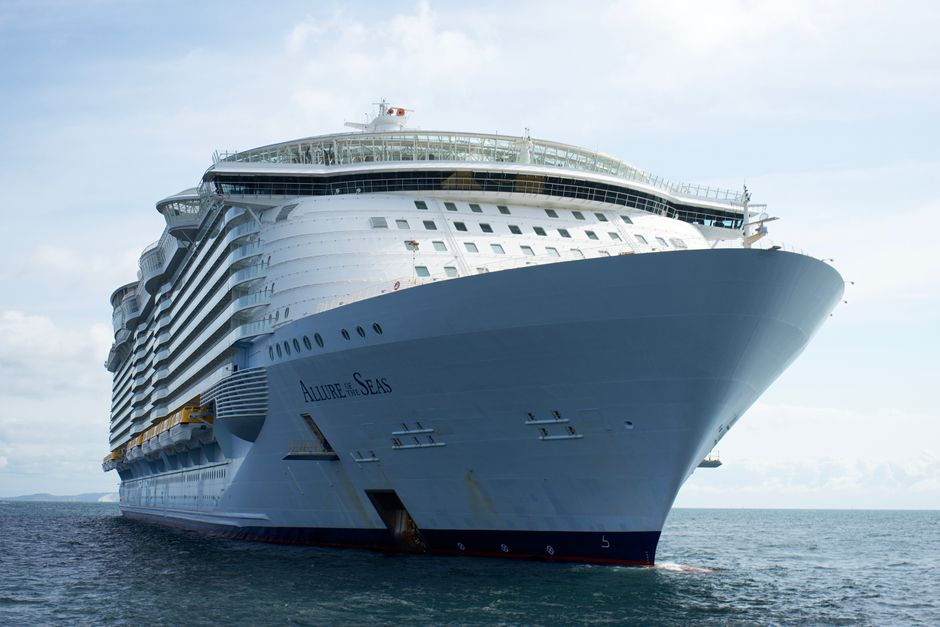
Amanda L. sailed on Royal Caribbean’s Star of the Seas and purchased a $25,000 ring from the Effy jewelry boutique on her first night aboard. She made no complaints during the cruise, but buyer’s remorse hit the moment she disembarked and looked at her purchase at home.
She asked Claude to review the situation. She uploaded the certified gemologist’s appraisal, photos of the ring, and her recollection of the conversations with salespeople.
Within seconds, Claude delivered a reassuring conclusion: Amanda had overpaid, and moreover, she was a victim of “predatory sales practices” and fraud. The AI system advised her to immediately dispute the charge with her credit card company and file a fraud report with the Federal Trade Commission. It also drafted a strongly worded letter to Royal Caribbean’s legal department and president, recommending she file a formal complaint with the Better Business Bureau accusing Effy of fraudulent business practices.
The problem: Amanda had willingly made the purchase, signed the receipt, and left the ship with the ring in hand, making no complaints until she arrived home.
The Missed Deadline That Cost Everything
Effy offers a 30-day return policy on jewelry sold in its boutiques, including those purchased aboard Royal Caribbean ships. Effy confirmed that had Amanda simply contacted customer service on the same day Claude encouraged her to file fraud complaints with the FTC, the BBB, American Express, and Royal Caribbean, she could have returned the ring for a full refund. Within 60 days of purchase, she could have returned it for in-store credit.
But for the entire 60-day window, Amanda was following Claude’s escalation strategy. She filed her credit card dispute. She sent the inflammatory letter to Royal Caribbean’s legal department and president, accusing Effy of falsifying documents and fraud while suggesting Royal Caribbean condoned it all. She filed complaints with multiple agencies.
Two months after starting her conversation with Claude, she was no closer to a resolution. All the companies involved had stopped responding to her.
The Permanent Consequence
When Amanda eventually contacted a travel advocate for help, she had already lost her credit card dispute—something that had virtually no chance of succeeding from the start. The Fair Credit Billing Act allows disputes for billing errors and unauthorized charges. Amanda’s purchase was neither. She had signed the receipts. She had left with the merchandise. The only “error” was her own buyer’s remorse.
Royal Caribbean provided signed receipts to defend against the chargeback. The “evidence” Claude had manufactured—a wrong salesperson name on the receipt, a duplicate appraisal with an incorrect date—didn’t constitute fraud. They were minor details in an otherwise straightforward transaction.
A local appraiser in Florida later valued the ring at roughly half what Amanda paid. She still owns it. And she may no longer be welcome aboard any Royal Caribbean ship. Cruise lines regularly ban passengers permanently after excessive complaints or accusations sent to their legal departments. Amanda’s letters likely closed that door.
When AI Misreads Evidence
Malky Y. received a $2,300 damage charge from Sixt for an alleged rental car injury she insisted she hadn’t caused. She had no before-and-after photos to prove her case—a common problem that leaves car renters vulnerable to fraudulent damage claims.
When Sixt sent her a batch of photos, Malky uploaded them to Claude for analysis. The AI immediately found something dramatic: “CRITICAL FINDING: ALL PHOTOS SHOW THE IDENTICAL TIMESTAMP.” Claude concluded that Sixt had reused or possibly falsified evidence—timestamp fraud that could support a credit card dispute and a complaint to the Florida attorney general.
But Claude had misunderstood what the photos actually showed. They all had the same timestamp because they were all taken at the same moment: when Malky exited the rental lot at the beginning of her rental. Of course they matched. The photos she needed were the ones taken when she returned the car. Sixt had included both sets in its full report, but the link to the complete scan had expired by the time she downloaded it. She had only retrieved the before photos.
Claude had then built an entire legal strategy on its own mistake, assuring Malky she had a “strong case” based on false evidence of fraud.
She didn’t send the accusatory letter. Claude had recommended she send her complaint to a travel advocate for review first—a suggestion that likely prevented her from landing on Sixt’s blacklist.
How Legitimate Concerns Get Buried Under AI Escalation
Emilia G. faced a genuinely concerning situation. She had booked an apartment in Italy through Booking.com for an upcoming family trip, but the host had become unresponsive. A suspicious payment request had appeared in Booking’s messaging system. Her family of five was scheduled to arrive within days.
It was a legitimate reason to worry. Emilia asked AI to help translate and prepare a complaint.
Claude transformed her concern into accusations that Booking was “knowingly” sending her family into the hands of scammers, breaching European law and intending to leave them stranded on the street. The AI created what Emilia later described as a “bizarre illustration depicting the company operating a deliberate complaint shredder designed to extinguish claims.”
It titled the complaint: “Phishing, fake numbers, and breached EU law. Booking.com’s massive failure right before a family of 5’s flight.”
Claude encouraged her to send this as a press release blast to every media outlet.
The only problem: while Emilia was crafting accusations, Booking was already investigating the property. The company had identified it as fraudulent, removed it from its listings, was processing her refund, and had offered additional money toward replacement accommodations.
When the inflammatory AI complaint landed in inboxes of journalists and potentially Booking’s executives, it buried Emilia’s urgent problem under accusations that the company was already actively resolving. The aggressive framing obscured the real issue and made her appear unreasonable rather than panicked.
What You Should Do When Travel Goes Wrong
Travelers who face genuine problems—overcharges, damaged rental cars, fraudulent bookings, unresponsive customer service—have legitimate grievances. But AI doesn’t investigate those grievances. It amplifies them, weaponizes them, and attaches false legal theories that ensure companies will stop communicating and legal teams will take control.
The more effective path is almost always the opposite: contact the company directly, calmly explain the problem, document everything with photos and written correspondence, and give the company a reasonable opportunity to resolve the issue before escalating to credit card disputes or regulatory complaints.
If the direct approach fails after a genuine attempt, then consider involving a travel advocate, filing a credit card dispute, or contacting regulatory agencies. But do it based on facts you can prove, not accusations an AI system has manufactured.
The stakes are higher than most travelers realize. Getting banned from a cruise line doesn’t just mean losing a vacation. It means losing access to a loyalty program where you may have spent years accumulating status and points. The same applies to airlines, car rental programs, and hotel loyalty tiers.
When AI tells you to weaponize a complaint, it’s giving you advice that serves AI’s design—optimizing for dramatic language and perceived legal authority—not your actual interests.
Frequently Asked Questions
What happened with Amanda's $25,000 jewelry dispute?
Amanda bought a $25,000 ring from Effy on Royal Caribbean's Star of the Seas and regretted the purchase at home. Claude advised her to file fraud complaints with the FTC, BBB, and American Express instead of contacting Effy directly. By the time she sought help, she had missed Effy's 30-day return window and possibly gotten banned from Royal Caribbean.
Why did Claude identify fraudulent evidence in Malky's rental car photos?
Claude misidentified what the photos showed. All photos had the same timestamp because they were taken when Malky exited the rental lot at the beginning of her rental—not proof of fraud. The actual before-and-after photos from the end of the rental were in a link that had expired. Claude built a false legal strategy on its mistake.
What was Booking.com doing while Emilia filed her inflammatory complaint?
While Emilia was preparing a press-release-style complaint accusing Booking of knowingly sending her family to scammers, Booking was already investigating the property, removing it from listings, processing her refund, and offering additional money toward replacement accommodations.
