
Key takeaways
- Glacier Bay has no roads; the only ways to reach this 5,200-square-mile park are cruise ship, plane, or ferry.
- Most of the park's 700,000 annual visitors arrive on cruise ships, which are limited to two per day by the National Park Service.
- Glacier Bay's tidewater glaciers are the main attraction; seven remain today, down from nine documented a few years ago.
- Entry to Glacier Bay is free, which is unusual among national parks, and there are no camping or boating permit fees.
Established as a national monument in 1925 and elevated to national park status in 1980, Glacier Bay National Park sits apart from America’s most accessible national parks. The park covers more than 5,200 square miles, nearly as large as Yellowstone and Yosemite combined, yet without roads to reach it and with limited infrastructure within its borders, Glacier Bay offers a uniquely remote and water-focused experience.
Getting to Glacier Bay
Cruise Ships
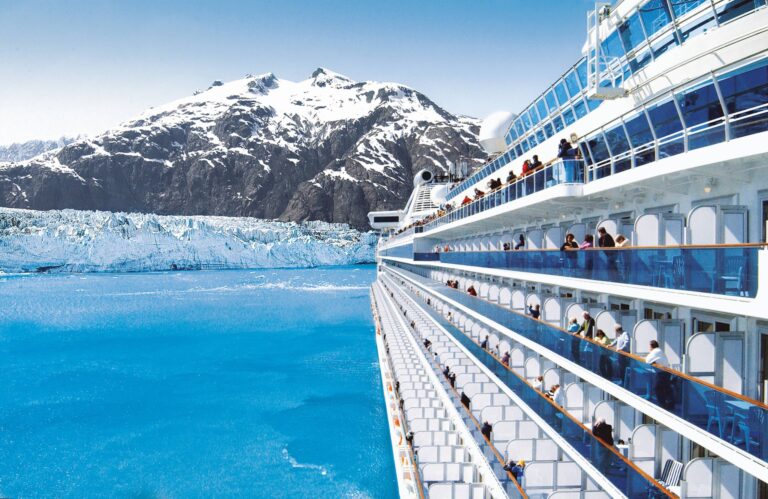
Over 700,000 visitors annually reach Glacier Bay, and the majority travel aboard cruise vessels. This volume reflects the park’s reliance on maritime arrival. The National Park Service enforces a permit system that allows just two ships into the park each day. Princess Cruises and Holland America Line operate the most Alaska sailings that include a Glacier Bay stop, a preference built into the permitting structure for lines with historical presence in the park.
Other major lines visit as well. Norwegian Cruise Line, Seabourn, Cunard Line, and Viking all schedule stops here. Small-ship operators—UnCruise Adventures, Lindblad Expeditions, and American Cruise Lines—also frequent the park. Typical seven-night Alaska itineraries departing from Vancouver or Seattle include a single day in Glacier Bay alongside calls at Juneau, Skagway, and Ketchikan.
Independent Travel via Gustavus
For those avoiding cruise ships, the gateway is Gustavus, a town of 601 residents perched at the park’s edge. Alaska Airlines operates daily summer flights from Juneau International Airport, 48 miles away, to Gustavus Airport. Alaska Seaplanes runs small-plane service year-round from Juneau. The Alaska Marine Highway System provides ferry access from Juneau on a regular schedule.
Juneau itself sits on Delta Air Lines and Alaska Airlines routes, making it the connection point for outside travelers. Once in Gustavus, the daily park tour boat departs from Bartlett Cove inside the park boundary, offering passage into the park’s interior.
When to Visit
Glacier Bay operates year-round, but visitor infrastructure vanishes outside summer. The park tour boat, visitor center, and lodge only run from May through September. Nearly all visitors arrive between these months.
Summer temperatures peak between 50 and 60 degrees Fahrenheit during daylight, cool even at midsummer. Rain defines the region, with an average of 70 inches annually near Gustavus. April, May, and June see the least precipitation, while September and October are wettest. Visitors should pack rain gear, waterproof boots, wool or fleece layers, warm hats, and gloves regardless of the calendar date.
One major incentive to visit: Glacier Bay charges no entry fee, unlike almost all other national parks. There are also no camping or boating permit fees. A national park annual pass is unnecessary.
The Park’s Tidewater Glaciers
What Makes Them Special
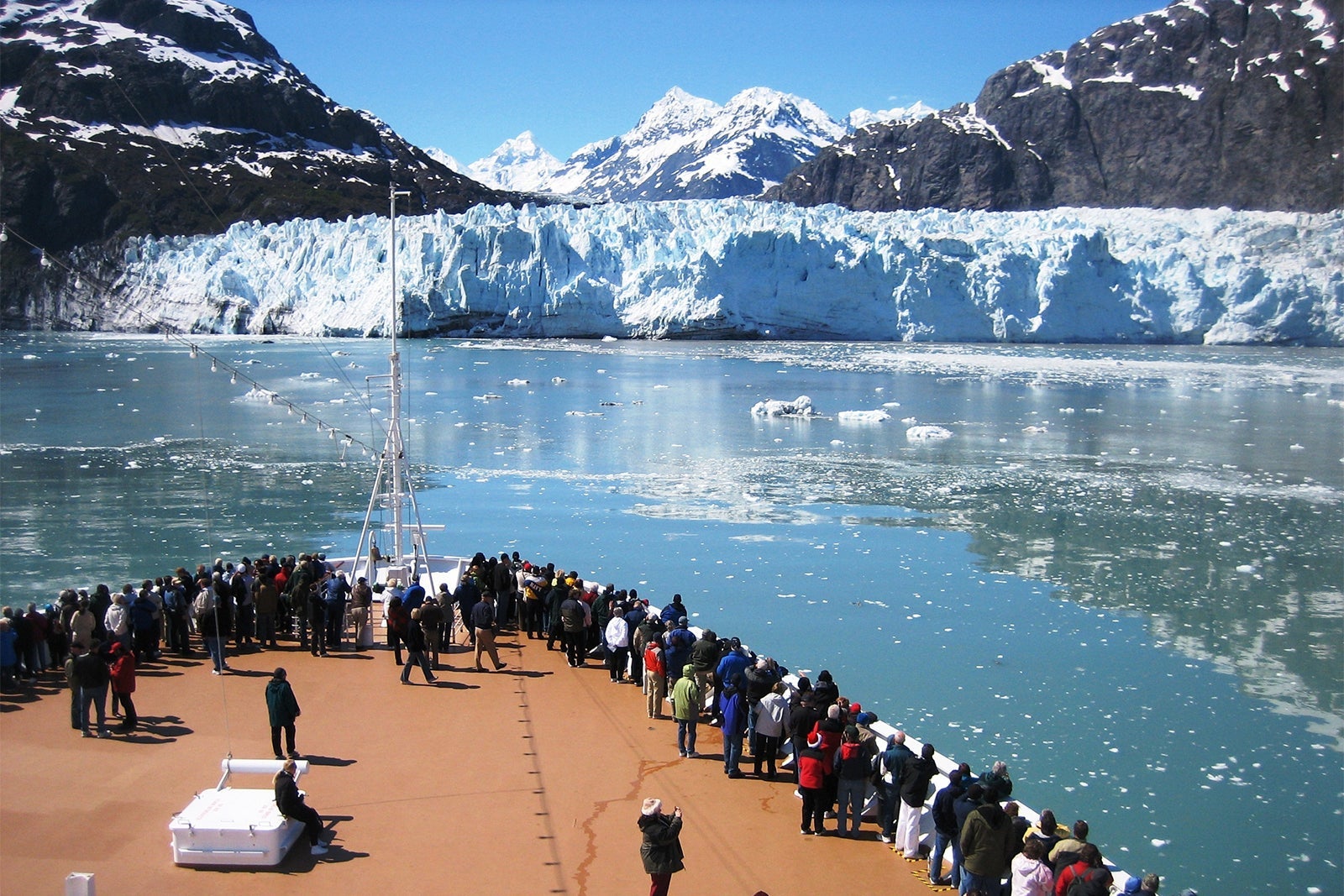
The park contains over 1,000 glaciers. Its signature attractions are the tidewater glaciers—rivers of ice that descend from mountains and meet ocean water. According to recent park service observations, there are now no more than seven such glaciers remaining. The number has declined noticeably; when earlier versions of this guide were written a few years ago, nine tidewater glaciers were documented. This reduction reflects broader melting trends.
Viewing Options
Cruise passengers witness glacier calving—massive chunks of ice breaking from a glacier’s face—from their vessel’s deck. Large cruise ships never dock in the park, and passengers remain aboard. Park rangers and local Huna Tlingit cultural guides board the ship for the day, offering presentations, commentary over loudspeakers, activities for children, and answers to visitor questions.
Smaller cruise vessels sometimes allow overnight stays, permitting some passengers to disembark. For independent travelers, the park’s tour boat makes two glacier stops: Margerie and Grand Pacific. Each rises nearly 250 feet above the ocean and extends another 100 feet below the waterline. The ice calving from their faces averages 200 years old. The day tour costs $273.57 per adult and $142.92 for children ages 3 to 12.
Activities and Experiences
On Foot and Water
Hiking trails near Gustavus range from leisurely to rugged. The Forest Trail covers one mile through dense forest. The Bartlett Lake Trail stretches eight miles to a mountain lake. Most visitors explore independently, though park rangers based at Bartlett Cove offer a guided forest loop walk daily at 1:30 p.m.
Kayak rentals operate at Bartlett Cove for day trips or multiday excursions deep into the park. Kayakers can paddle solo or join guided tours. Wildlife observation happens naturally from the water and trails; the park hosts 281 bird species ranging from American three-toed woodpeckers to neotropical migrant songbirds, alongside seabird colonies of gulls, guillemots, puffins, and cormorants.
Wilderness camping covers the park’s entire scope. Over 700 linear miles of shorelines, beaches, and islands permit camping. The park tour boat delivers campers to designated sites and retrieves them days later. A free walk-in campground at Bartlett Cove offers bear-proof food caches, composting toilets, beach fire pits, and a warming shelter.
Cultural Immersion
Xunaa Shuka Hit, a Huna Tlingit clan house, opened in 2016 within walking distance of Glacier Bay Lodge. It represents the first permanent such structure since the original Huna Tlingit villages were destroyed by a glacier over 250 years ago. Visitors encounter tribal elders sharing history and culture, watch dance performances, taste native foods, and view historical photographs and hand-carved totem poles.
Where to Stay and Eat
Glacier Bay Lodge is the only accommodation within the park—a 48-room property on Bartlett Cove’s shores with standard rooms starting at $391.32 per night. The lodge operates only in summer and anchors the area’s visitor services.
In Gustavus, options are limited but offer character. The Bear Track Inn charges $520 per person daily, including meals and ground transportation. Glacier Bay Country Inn operates five rooms and five cabins at $329 per person per day with the same all-inclusive structure. Most lodging properties in Gustavus bundle meals and airport transfer into their base rates, which can create sticker shock on initial review but reflects the remote location and supply chain costs.
No points-affiliated hotels exist in Gustavus. Juneau, 48 miles away, has limited options: Four Points by Sheraton Juneau (starting at $389 or 50,000 points nightly in summer) and three Wyndham Rewards properties—a Ramada, Travelodge, and Super 8.
Cruise passengers eat aboard ship. Independent travelers rely on their lodging’s restaurant. Glacier Bay Lodge’s Fairweather Dining Room serves breakfast, lunch, and dinner to guests and visitors, featuring local Alaska salmon and halibut. The lunch menu includes a halibut sandwich. Glacier Bay Country Inn’s restaurant focuses on Alaskan cuisine, typically salmon en croute with green peppercorn sauce.
Dining in Gustavus is expensive, a pattern across remote Alaska. à la carte pricing reflects the cost of transporting supplies to isolated regions.
Additional Experiences and Costs
Flightseeing tours depart from Gustavus, Yakutat, or Haines. Companies like Haines-based Fly Drake charge $200 to $350 per person depending on tour length and departure point. These flights provide an aerial perspective of the park’s mountains, glaciers, and fjords.
The park’s true cost advantage emerges in admission: there is no entry fee. There are no camping permit fees or boating fees. This structure sets Glacier Bay apart from nearly every other national park. Visitors pay only for transportation, lodging, meals, and guided activities, never for the privilege of entering the park itself.
Source: The Points Guy Articles
Frequently Asked Questions
How do most visitors reach Glacier Bay?
The majority of the park's 700,000-plus annual visitors arrive by cruise ship. The National Park Service permits only two cruise ships to enter daily under a permitting system that gives preference to lines operating in the park before the system began. Other visitors fly or take a ferry to Gustavus, then board the daily park tour boat from Bartlett Cove.
When is the best time to visit Glacier Bay?
Visitor services operate May through September only. Summer temperatures range from 50 to 60 degrees Fahrenheit, and the area receives about 70 inches of rain annually. April, May, and June are the driest months, while September and October tend to be the wettest. Visitors should pack rain gear, waterproof boots, wool or fleece layers, warm hats, and gloves regardless of when they visit.
Is there an entry fee for Glacier Bay?
No. Glacier Bay charges no entry fee, which is unusual among U.S. national parks. Additionally, there are no fees for camping or boating permits, making access very affordable from a park-entry standpoint.
