
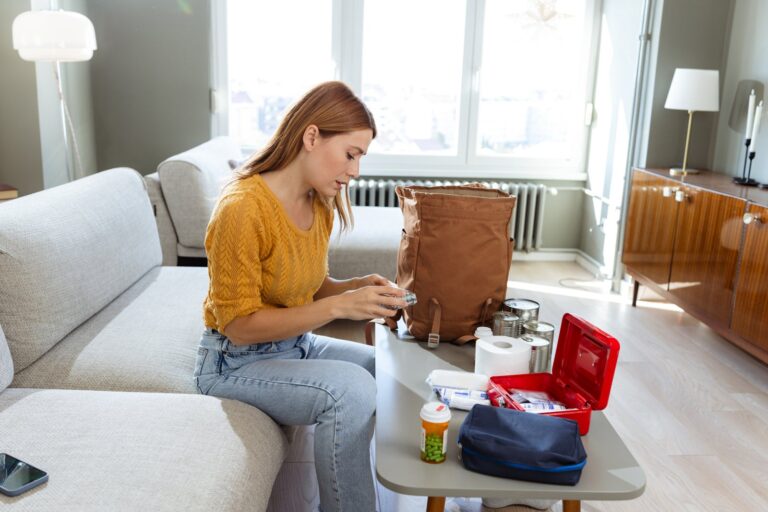
Key takeaways
- Band-Aids, Steri-Strips, antiseptic wipes and hydrocolloid plasters handle minor wounds, while hemostatic gauze and Israeli bandages address severe bleeding.
- Electrolyte powders prevent dehydration from flights and heat, electrolyte sachets mix easily with water and require no refrigeration.
- Trauma shears, tweezers, a compact USB-rechargeable flashlight and specialized tools address emergencies when standard medications prove insufficient.
- Pack travel-sized pain relievers, stomach settlers and sleep aids in a labeled pill container, then research your destination's medication regulations before departure.
Minor injuries and unexpected illnesses interrupt vacations at precisely the moments when seeking help is most difficult. Weather changes, new environments, unfamiliar cuisines and physical exertion that exceeds daily routines back home all increase risks. Access to familiar remedies varies wildly across destinations, medications available over-the-counter at home often require prescriptions abroad, or remain unavailable entirely.
Carrying a portable first-aid kit transforms minor ailments from trip-ending disasters into manageable inconveniences.
Wound Care Essentials
Cuts and scrapes happen frequently during travel through a combination of circumstances unlikely at home: navigating cobblestone streets while jet-lagged, hauling luggage without proper support, or pursuing hiking trails without appropriate footwear. According to The Points Guy Articles, Band-Aids, Steri-Strips, butterfly bandages and hydrocolloid plasters address everything from paper cuts incurred at border checkpoints to blisters from walking-intensive days.
Cleaning Wounds Properly
The injury itself represents only part of the problem. Without proper cleaning, minor wounds risk infection far from hospitals or clinics. Antiseptic solutions matter, but traveling with liquids creates complications at airport security. Antiseptic wipes provide identical disinfection without triggering regulatory issues, occupying minimal space while remaining effective.
Addressing Serious Bleeding
Severe bleeding demands specialized equipment beyond standard bandages. Hemostatic gauze, treated with chemicals that accelerate blood coagulation, packs directly into deep wounds rather than sitting atop the surface. Applied with firm pressure, this approach controls bleeding before help arrives.
An emergency trauma dressing, also known as an Israeli bandage, incorporates a locking bar mechanism capable of delivering 40 pounds of sustained pressure. Understanding the application method before adding one to your kit prevents misuse during genuine emergencies.
Both items occupy minimal space while addressing scenarios that could genuinely become life-threatening without intervention.
Combating Dehydration and Environmental Stress
Electrolyte Replacement
Dehydration strikes travelers in predictable ways: marathon sightseeing through heat waves, extended time sitting in economy aircraft cabins, or activities at higher altitudes where oxygen levels stress the body. According to The Points Guy Articles, electrolyte powders mixed into water bottles restore salts and minerals lost through sweating or cabin dehydration. Unlike hydration tablets that require significant dissolution time, quality electrolyte sachets mix thoroughly with simple shaking, delivering effective rehydration without requiring refrigeration or access to medical facilities.
Sun Protection and Heat Injury Recovery
Beach vacations represent only one scenario where sun exposure becomes dangerous. Casual city walking, sitting in outdoor cafés, and cloud-covered days at higher elevations cause sunburns before travelers realize their exposure. A small portable sunscreen container allows frequent reapplication throughout the day, particularly across highly-exposed areas like the face and shoulders.
Once a burn occurs, aloe vera gel provides symptomatic relief, but prevention through consistent sunscreen application proves far more effective at maintaining vacation enjoyment.
Tools and Illumination
Extraction and Emergency Cutting
Tweezers extract splinters, a common problem during backcountry travel or visits to older properties with wooden elements. For more urgent scenarios, trauma shears or a compact multitool enable rapid removal of clothing during medical crises or quick extraction of foreign objects. Some travel-specific multitools combine tweezers, scissors, a magnifying glass and an emergency glass-breaking feature in a single pocket-sized unit.
Illumination for Safety and Assessment
A quality flashlight serves dual purposes: assessing injuries in darkness and preventing accidents through path illumination. A pocket-sized flashlight under four inches in length with a beam reaching over 200 feet provides USB recharging capability, eliminating reliance on batteries that may be unavailable abroad. Beyond emergency illumination, a powerful light signal makes you easier to locate when calling for help and can even transmit SOS in Morse code.
Managing Common Travel Illnesses
Airplane cabins concentrate viruses across dozens of people confined in close quarters for hours. Boat travel triggers motion sickness. New foods and overindulgence abroad cause stomach upset. Many countries restrict common remedies requiring prescriptions at home, making them inaccessible without local medical consultation.
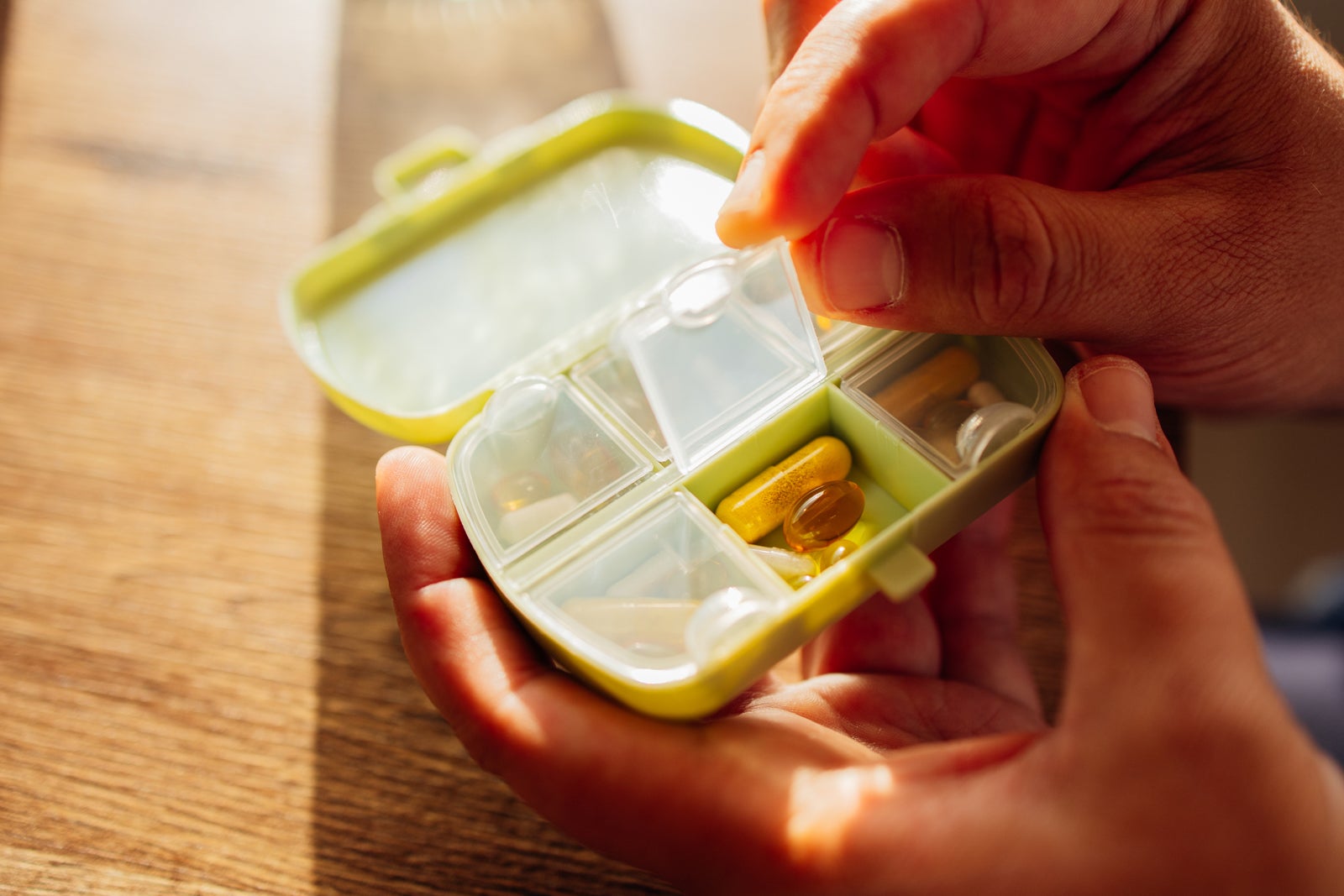
Packing travel-sized quantities of over-the-counter painkillers, stomach settlers and sleep aids addresses these scenarios without bulk. A dedicated pill container with pre-printed labels keeps medications organized and prevents the chaos of multiple bottles rattling throughout luggage. Before departure, research your destination’s medication regulations to ensure you’re not carrying items classified as restricted substances locally.
Advanced Equipment for Specific Health Risks
Portable Cardiac Response
Travelers with known heart conditions face unique risks in remote locations. A portable AED device from St. John Ambulance approximately matches the size and weight of a soda can, providing immediate cardiac support during out-of-hospital cardiac events. At roughly $1,400, the device represents significant investment, but considering the 90% mortality rate for out-of-hospital cardiac arrests that receive no intervention, the potential to preserve life in remote settings justifies the cost for high-risk individuals.
Building Your Kit Strategically
Pre-packed first-aid kits designed specifically for travel simplify assembly, particularly waterproof options for beach-intensive itineraries. Alternatively, purchasing travel-sized individual items or refilling a pill container from larger bottles at home provides flexibility while reducing overall weight in luggage.
Your specific kit contents should reflect destination climate, planned activities and personal health history, but core items addressing wound care, hydration support and pain management handle the majority of scenarios that interrupt travel plans. With proper preparation, common health problems remain manageable without requiring emergency facilities or desperate searches through foreign pharmacy systems.
Source: The Points Guy Articles
Frequently Asked Questions
What is the difference between hemostatic gauze and an Israeli bandage?
Hemostatic gauze uses chemicals to speed blood coagulation and packs directly inside wounds with firm pressure. An Israeli bandage incorporates a locking bar mechanism capable of delivering 40 pounds of sustained pressure, providing a structured approach for severe bleeding scenarios.
Why should I pack antiseptic wipes instead of liquid antiseptic spray?
Antiseptic liquids trigger complications at airport security checkpoints, while antiseptic wipes provide identical disinfection without regulatory issues and occupy minimal space in luggage.
Is a portable AED device worth the investment for travel?
A Pocket AED from St. John Ambulance costs approximately $1,400. For travelers with heart conditions in remote locations, the device addresses out-of-hospital cardiac arrests, which carry a 90% mortality rate without intervention, potentially justifying the expense.
