
Key takeaways
- Frontier base fares jumped 71% between July and September compared to last year, with jet fuel costs, Spirit Airlines' May closure, and refined pricing strategies each accounting for roughly one-third of the increase.
- Industrywide, September ticket prices rose 22% year-over-year, while Thanksgiving fares surged 30%, as carriers maintain elevated prices despite expecting fuel costs to eventually decline.
- Frontier plans to introduce first-class recliner seats by early spring and add Starlink Wi-Fi in early 2027, but has not announced whether the airline will charge for internet access or offer it free to loyalty members.
- Despite record passenger revenue in the third quarter, Frontier lost $104 million as jet fuel costs outpaced the airline's ability to raise ticket prices.
Frontier Airlines passengers face a stark new reality at checkout: between July and September, base fares climbed to about 71% above the same quarter last year, driven by jet fuel costs, reduced competition, and pricing strategies the carrier refined earlier this year.
Frontier’s Fare Surge
The 71% Jump
The escalation appears in Frontier’s quarterly filing, which disclosed that base fares for passengers during the third quarter reached 71% above the same period in 2025. For travelers accustomed to budget airline pricing, the gap at the point of purchase has become impossible to ignore.
What Drove It Forward
Frontier CEO James Dempsey acknowledged the increase during the carrier’s earnings call this week, directly connecting the outcome to factors both beyond and within the airline’s control. Jet fuel prices have reached their highest levels in years across the global airline sector, and Frontier has passed this burden to customers. But Dempsey also credited two internal forces: the management strategies Frontier deployed earlier in 2026 and the disappearance of a longtime competitor that had resisted higher pricing.
Three Components of the Price Increase
Jet Fuel Costs
Airlines across the industry have transmitted elevated fuel expenses to the ticket-buying public over the past seven months. Frontier has not insulated passengers from this surge. Dempsey estimated that roughly one-third of the revenue increase the airline reported this quarter stemmed directly from higher fuel costs, a straightforward pass-through of the carrier’s expenses.
The Spirit Factor
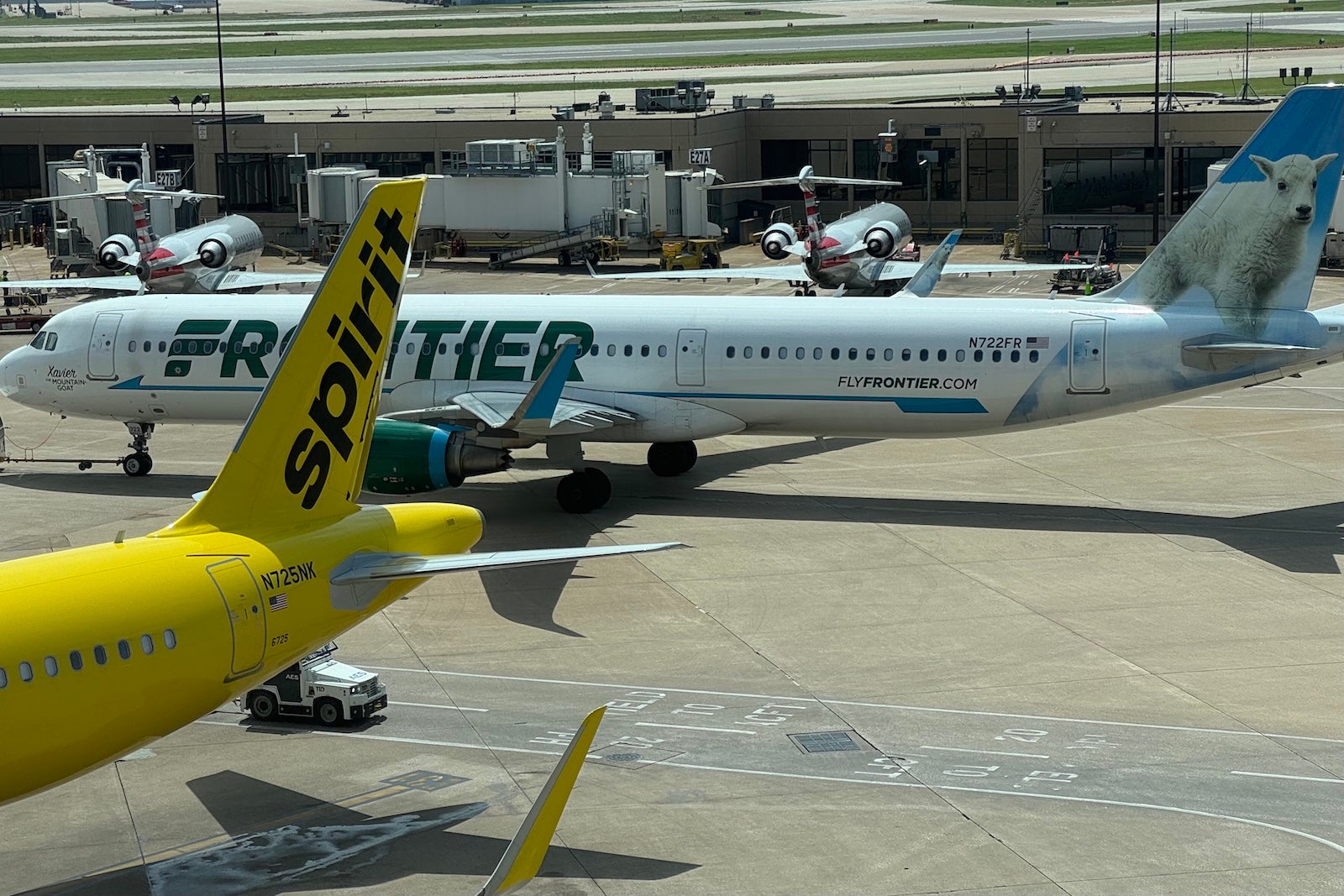
Spirit Airlines ceased operations in May after two decades as a competitor in the budget carrier space. Before its collapse, Spirit and Frontier overlapped on approximately 30% of routes, meaning they faced direct competition on a substantial portion of their networks. Frontier has since claimed multiple routes Spirit previously served, with additional route additions expected. The removal of a major rival has eliminated a critical downward force on the lowest-priced fares—the price points budget carriers had historically fought over relentlessly. Dempsey attributed roughly one-third of the airline’s revenue increase to Spirit’s absence, making it equivalent to the fuel impact.
Smarter Pricing Algorithms
Frontier rolled out more sophisticated pricing strategies in the first part of this year. These algorithms optimize seat pricing based on demand patterns, advance booking windows, and other variables—capabilities that were either absent or less developed previously. The improvements to revenue management accounted for approximately one-third of the quarterly revenue surge, according to Dempsey’s discussion with analysts.
The Broader Industry Picture
Frontier’s experience reflects a wider market shift. Industrywide, September ticket prices were roughly 22% higher than the same month in 2025. Holiday travel has absorbed an even sharper blow: according to aviation analytics firm Cirium, Thanksgiving airfares this season are surging about 30% above last year’s rates. For travelers with fixed holiday plans, the calendar offers no escape.
How Airlines Are Keeping Prices High
Multiple factors allow carriers to sustain these elevated fares even as the competitive environment changes. Passengers have demonstrated a willingness to absorb higher prices; at Frontier, planes in the third quarter carried nearly as many passengers as the year before despite the increases, proving demand remains resilient. Airline executives have also signaled that rate hikes are not temporary. Delta Air Lines CEO Ed Bastian stated this month that the industry’s challenge lies in sustaining the revenue gains accumulated over the past year—implying that while fuel prices will eventually fall, fares need not retreat accordingly. American Airlines, meanwhile, announced it is “actively prioritizing” higher fares over seat occupancy, indicating a preference for flying planes slightly less full at premium prices rather than filling more seats at lower rates.
The Profitability Disconnect
Despite reporting record passenger revenue in the third quarter, Frontier lost $104 million during the same period. The paradox reveals how jet fuel costs can accelerate faster than ticket prices rise to offset them. Frontier has not turned a full-year profit since 2019, though management expressed confidence about 2027 as significant capital investments begin yielding results over the coming months.
First-Class Seating Arrives
Frontier intends to begin installing new first-class recliner seats “imminently” across its fleet. Sales for these premium seats are expected to commence by early spring on flights departing at that time. Frontier Miles members who have achieved elite status will be eligible for upgrades to the new seating, offering a concrete benefit for those who have accrued program standing.
Starlink Wi-Fi and the Pricing Puzzle
The airline plans to begin installing Starlink Wi-Fi across its aircraft starting in early 2027. Frontier has offered no onboard internet previously. Chief commercial officer Bobby Schroeter framed the addition as a transformative leap: “We’re going from nothing to a product that’s best in class.” Yet one critical question remains unanswered—whether passengers will pay for access. United Airlines, Alaska Airlines, Southwest Airlines, and American Airlines have each begun rolling out or committed to rolling out Starlink on their planes, and all have pledged to provide the service free to loyalty program members. Frontier, operating as a budget carrier, has historically imposed charges for ancillary services. Whether the airline will break from that pricing model with Wi-Fi and offer it free to elite members, as competitors have, or impose a fee, remains unclear.
Source: The Points Guy Articles
Frequently Asked Questions
How much have Frontier's base fares increased recently?
Between July and September, Frontier base fares climbed to about 71% above the same quarter last year, according to the airline's quarterly filing.
What are the three main reasons for Frontier's fare surge?
Frontier CEO James Dempsey attributed the increase equally to three factors: jet fuel costs reaching their highest levels in years, the closure of competitor Spirit Airlines in May, and more sophisticated pricing strategies the airline deployed earlier in 2026.
Will Frontier charge for Starlink Wi-Fi service?
The airline has not announced a pricing model for Starlink Wi-Fi, which launches in early 2027. Frontier has historically charged for add-on services, though competitors including United, American, and Southwest have pledged to offer the service free to loyalty members.
