
Key takeaways
- Alaska Airlines launches its first nonstop flight from Anchorage to Tokyo Narita in May 2027 using a 737 MAX 8, introducing new award availability on a historically significant transpacific route.
- The single-aisle aircraft will offer domestic first-class seating but no long-haul business-class product, differing from Alaska's existing Seattle-Tokyo service on twin-aisle jets.
- Alaska is expanding across Japan with a second new route to Osaka Kansai from Seattle in May 2027 and plans an immunized joint venture with American Airlines and JAL if regulators approve.
- Anchorage faces minimal competition on the new route, as Alaska controls the Narita service and American Airlines does not currently serve that market from Alaska's hub.
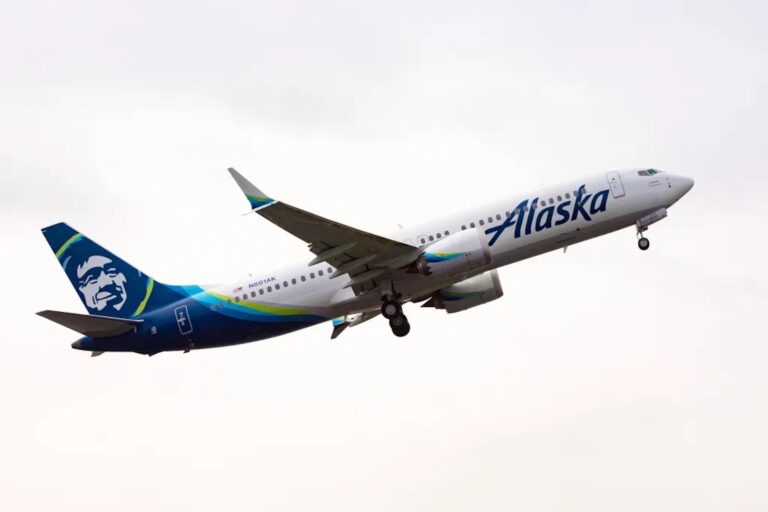
Alaska Airlines announced a nonstop route connecting Anchorage to Tokyo Narita beginning in May 2027, marking the carrier’s first direct service between Alaska state and Japan. The announcement came as part of a four-route expansion at Ted Stevens Anchorage International Airport, though the Tokyo service stands apart for one striking reason: it will operate on a Boeing 737 MAX 8, a single-aisle, narrow-body aircraft typically reserved for shorter routes.
The Route and Regional Context
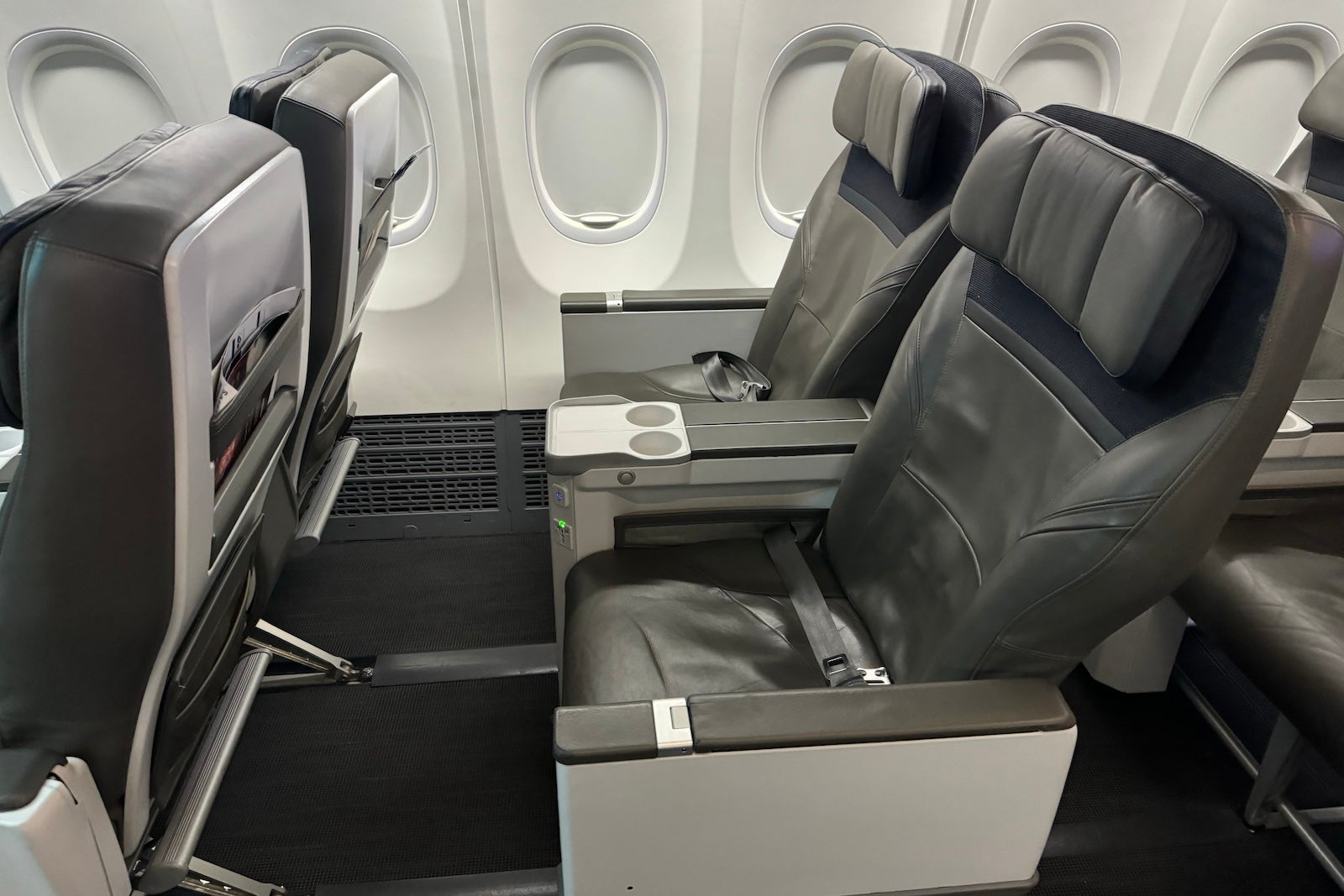
The Anchorage-Tokyo Narita route covers 3,433 miles with an estimated flight time of approximately eight hours. Alaska will deploy the 737 MAX 8 configured with 16 domestic first-class seats, 36 extra-legroom economy seats, and 115 standard economy seats. The carrier faces minimal competitive pressure on this route; American Airlines currently operates service between Anchorage and Dallas Fort Worth, while both Austin and Nashville remain unserved from Alaska’s hub. Alaska’s expansion at Anchorage includes three additional domestic routes to Texas and Tennessee markets.
A Narrow-Body Jet on Long-Haul Duty
Aircraft Configuration and Capability
The 737 MAX 8’s deployment to Tokyo may seem unconventional for a transpacific route, but according to data from aviation analytics firm Cirium, the distance falls well short of the aircraft’s proven capabilities. The Anchorage-Tokyo flight does not rank among the ten longest MAX 8 routes globally. Alaska’s own Seattle-Keflavik service, which carries passengers to Iceland on the same aircraft type, covers 3,622 miles—nearly 200 miles farther than the new Tokyo route. Shane Tackett, Alaska’s president and chief financial officer, stated at an investor event that the MAX 8 demonstrates exceptional range for the airline’s operations.
What Award Seekers Will Find
The domestic first-class cabin aboard the 737 MAX 8 consists of traditional reclining seats rather than the flat-bed business-class product available on Alaska’s existing transpacific twin-aisle aircraft. Passengers redeeming Alaska Mileage Plan miles on the Anchorage-Tokyo route will access premium cabin seating but without the lie-flat beds found on the carrier’s Seattle-Tokyo service, which launched in 2025 using larger aircraft. First-class and extra-legroom availability will represent the top-tier award redemption options for this market.
Operational Efficiency in Long-Range Flying
The MAX 8’s fuel efficiency and range capabilities have convinced Alaska that the aircraft suits its expanding transpacific network. The single-aisle configuration reduces operational complexity compared to twin-aisle jets while maintaining the distance requirements for flights approaching eight hours. This decision reflects a broader industry trend toward next-generation narrow-body aircraft for extended-range international routes.
Alaska’s Strategic Expansion Across Japan
Building Out the Seattle Hub
The Anchorage-Tokyo announcement builds on Alaska’s existing Seattle-Tacoma presence in Japan. The Seattle-Tokyo Narita route, launched in 2025, operates as Alaska’s gateway to Japan and generates award inventory for Mileage Plan members traveling the Pacific. Beginning in May 2027, Alaska will add a second Japan destination from Seattle: nonstop service to Osaka’s Kansai International Airport. Both routes expand within the same window, signaling Alaska’s commitment to increased frequency and market coverage in Japan.
Hawaiian Airlines’ Continuing Role
Alaska’s 2024 merger with Hawaiian Airlines strengthened the carrier’s position in Asia. Hawaiian continues to operate service from its Honolulu hub to both Tokyo Haneda and Osaka Kansai, adding redundancy and connectivity options for Mileage Plan members positioning through the islands. The combined network gives Alaska multiple entry and exit points for Japan-bound award bookings, with the Honolulu connection serving as an alternative hub for reaching either Tokyo or Osaka.
Coordinated Growth with American and JAL
Alaska intends to join an immunized joint venture with American Airlines and Japan Airlines, subject to regulatory approval. If approved, the partnership would allow the three carriers to coordinate commercial activities on U.S.-Japan routes. This coordination could expand award availability and create additional connectivity patterns for Oneworld Alliance members redeeming across the three carriers’ networks. Japanese regulatory scrutiny and U.S. Department of Justice review will determine whether the joint venture moves forward.
Limited Competition Shapes Market Dynamics
Alaska’s new routes from Anchorage encounter little direct competition. American Airlines serves Anchorage-Dallas Fort Worth but does not currently fly to Narita or Osaka from Alaska’s hub. The domestic expansion to Austin and Nashville similarly operates in markets currently unserved from Anchorage. This absence of competing carriers gives Alaska pricing power and schedule flexibility on the new international service, potentially affecting award availability and award-to-cash value as the route matures.
Reviving Anchorage’s Historic Transpacific Role
Decades before direct flights across the Pacific became routine, Anchorage served as a critical refueling stop for airlines extending their range to Japan. Throughout the 1980s and into the early 1990s, Air France, British Airways, Japan Airlines, KLM Royal Dutch Airlines, and Scandinavian Airlines all included Anchorage in their Japan itineraries. The arrival of the Boeing 747-400 in 1989 transformed long-range flying; carriers such as Northwest Airlines and United Airlines began flying nonstop across the Pacific without the Anchorage fuel stop, rendering the gateway less essential for transpacific connections.
Alaska’s new Anchorage-Tokyo nonstop represents a return to Anchorage’s historical importance as a transpacific junction. Modern aircraft efficiency and market demand have created conditions for direct service that once required an intermediate stop. The route restores Anchorage’s status as a meaningful gateway for Asia-bound travel, though under entirely different operational circumstances than the refueling-stop model of prior decades.
Planning Redemptions for May 2027
Award bookings for the May 2027 launch window will compete for limited initial inventory across first-class and extra-legroom cabins. Alaska typically opens awards for new routes between eight and eleven months before launch. Mileage Plan members targeting the Anchorage-Tokyo route should monitor award calendar availability as spring 2027 approaches. The combination of Alaska’s limited current Japan exposure from Anchorage, Alaska’s broader network expansion, and the carrier’s Oneworld Alliance partnership may affect award redemption rates and seat inventory patterns as the route begins operations.
Source: The Points Guy Articles
Frequently Asked Questions
What aircraft will operate Alaska Airlines' new Anchorage-Tokyo service?
A Boeing 737 MAX 8, configured with 16 domestic first-class seats, 36 extra-legroom economy seats, and 115 standard economy seats. This narrow-body aircraft covers 3,433 miles in approximately eight hours. Alaska's existing Seattle-Tokyo service uses larger twin-aisle jets with flat-bed business-class cabins.
When does the Anchorage-Tokyo route launch?
Service begins in May 2027. This announcement is part of a larger four-route expansion at Ted Stevens Anchorage International Airport; the other three new routes serve domestic destinations in Texas and Tennessee.
What does Alaska's Japan expansion include beyond Anchorage-Tokyo?
Alaska is launching Seattle-Kansai (Osaka) nonstop service in May 2027 and maintains its existing Seattle-Tokyo route that started in 2025. The carrier also inherited Hawaiian Airlines' Tokyo Haneda and Osaka Kansai flights from Honolulu through the 2024 merger, and plans to join a joint venture with American Airlines and JAL subject to regulatory approval.
