
Key takeaways
- Emirates is evaluating new routes to Denver, Detroit, and Philadelphia, cities that either fill coverage gaps in its existing U.S. hub network or access new metropolitan markets.
- Boeing 777-9 aircraft deliveries starting in 2027 will enable the carrier to serve additional markets profitably from its Dubai hub.
- The partnership with United Airlines ties new routes into the MileagePlus frequent flyer program, particularly relevant since Denver is the sole United hub currently without Emirates service.
- Award travelers may find better redemption opportunities during service launch periods when premium cabin inventory is typically elevated for market establishment.
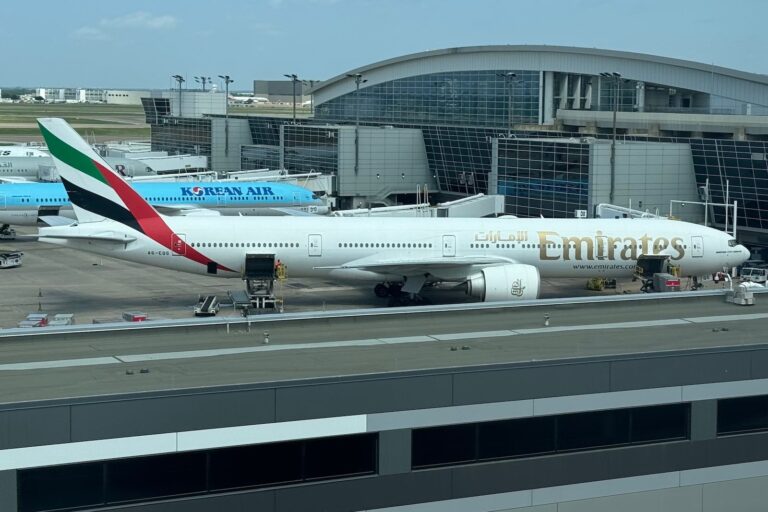
Emirates is preparing to significantly expand its United States network, with the Middle Eastern carrier actively evaluating new routes to Denver International Airport, Detroit Metropolitan Airport, and Philadelphia International Airport. During an interview at the Routes World conference this week, Emirates president Tim Clark disclosed the airline’s interest in these three markets as part of a much longer roster of potential expansion opportunities.
Emirates’ U.S. Expansion Plans
“There aren’t many cities in the world that we will not be able to touch if we want to get there,” Clark said in his remarks. The carrier has moved deliberately with its U.S. expansion: Miami, launched in 2021 to replace Fort Lauderdale service, marked the last addition to its American network. Newark Liberty International Airport, added in 2017, remains the most recent entirely new U.S. destination according to Cirium schedule data.
Specific Markets Under Consideration
Denver, Detroit, and Philadelphia represent distinct geographic and commercial opportunities for Emirates. Denver in particular fills a gap in the carrier’s coverage of major United States hubs, while Detroit and Philadelphia would expand service to additional metropolitan markets and their surrounding regions. Clark indicated that the airline’s preliminary list of potential destinations “goes on and on” beyond these three cities, suggesting that network planning extends well beyond the immediate announcement.
Next-Generation Aircraft Enable Growth
The timing of Emirates’ expansion ambitions aligns with the imminent arrival of next-generation, fuel-efficient aircraft. These new planes will fundamentally reshape the economics of long-haul routes from Dubai, allowing the carrier to serve markets that may not generate sufficient traffic to support current aircraft profitably.
The Boeing 777-9 Timeline
The Boeing 777-9, originally scheduled to enter service in 2020 but delayed for years, is now expected to begin deliveries to Emirates in 2027. The aircraft will seat between 300 and 400 passengers, positioning it as the carrier’s flagship widebody for long-haul international routes. On the aircraft’s interior configuration, Clark offered limited details: cabin spaces are planned to be “stylish, luxurious and cool,” with a guarantee that travelers in all cabin classes would find the onboard experience satisfactory. Emirates has not yet released specifics on first, business, or economy seating arrangements.
Order Book and Efficiency Gains
Emirates’ expansion is underpinned by a substantial long-term aircraft procurement strategy. The carrier’s order book encompasses more than 300 aircraft including Airbus A350s, Boeing 787s, and various Boeing 777X configurations. The airline retains options to convert certain 777-9 orders into the smaller 777-8 variant or a potential larger 777-10 model, providing flexibility to match aircraft to route economics. More efficient aircraft reduce fuel burn, lower per-seat costs, and expand the number of markets where Emirates can generate profitable operations from its Dubai International Airport hub.
Regional Challenges Not Deterring Growth
Despite ongoing military conflicts involving Iran and Houthi forces in Yemen, Clark stated that Emirates remains committed to its expansion trajectory. These conflicts have disrupted certain aviation routes and operations in the region, yet the carrier’s leadership remains confident in sustained demand. “The demand in the multiple segments that we have been in traditionally is still strong for us,” Clark said regarding the current operating environment. The carrier has benefited from flight suspensions by several Western airlines at Dubai, capturing traffic flows that connect Europe and North America to destinations across India, Southeast Asia, and Africa.
Strong Demand Indicators
Clark cited Bangkok as a tangible example of sustained customer appetite for Emirates’ services, noting that flights to Thailand’s capital remain consistently full. The carrier has maintained profitability despite pressure from elevated jet fuel prices, with kerosene averaging $4.58 per gallon during the week ending October 16 according to IATA data. The carrier’s scale, operational efficiency, and high load factors have enabled it to absorb fuel cost inflation that has pressured smaller and less efficiently operated competitors.
The United Airlines Partnership
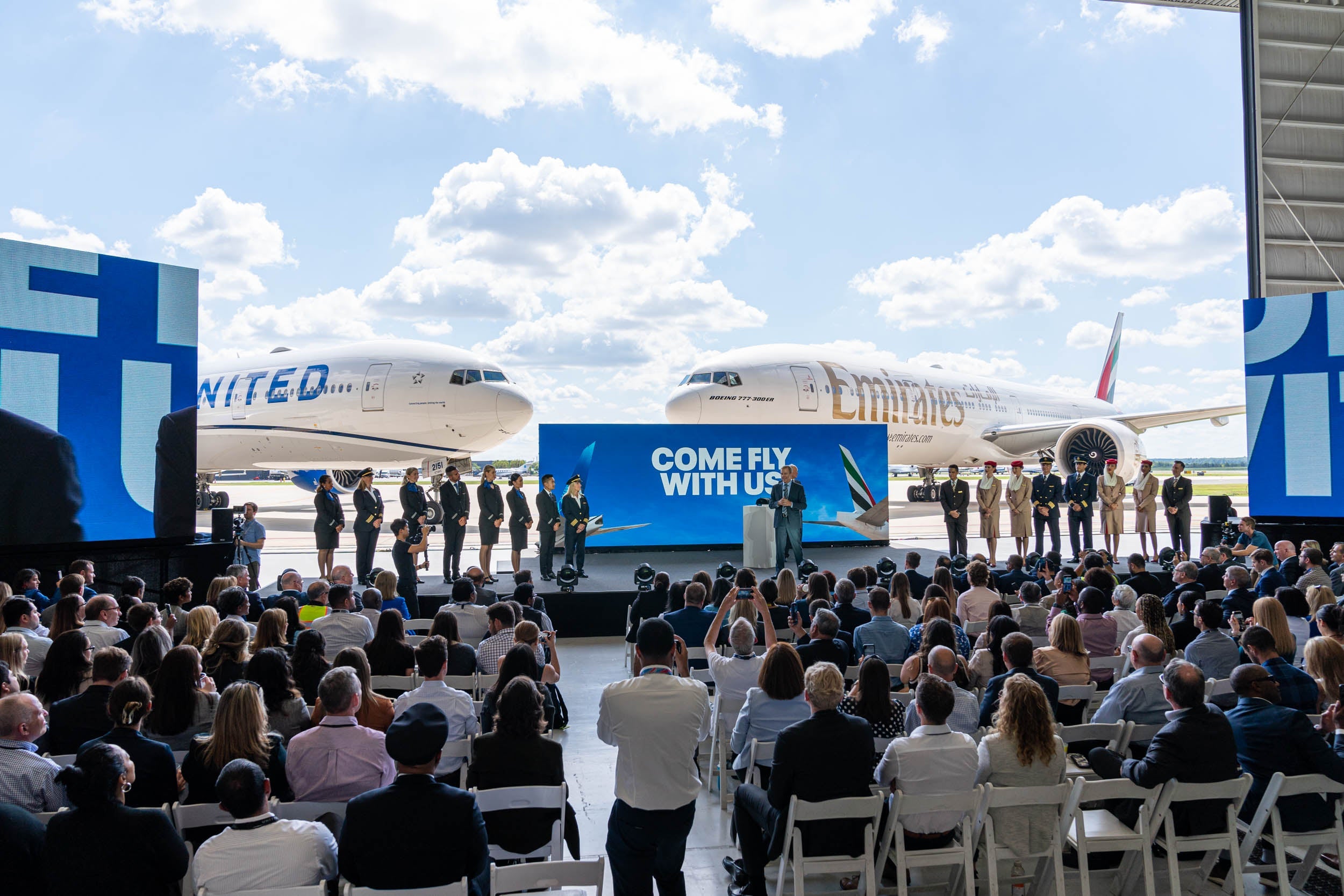
Emirates and United Airlines established a codeshare and frequent flyer partnership in 2023, linking the carriers’ Skywards and MileagePlus programs. As part of this arrangement, United introduced new service from its Newark hub to Dubai but suspended the route in February following U.S. and Israeli military operations targeting Iran. Denver represents a particularly notable opportunity within this partnership framework: it is the only United Airlines hub where Emirates does not currently operate. Service to Detroit and Philadelphia would similarly expand the carrier’s access to major U.S. metropolitan areas and their surrounding catchment regions.
What This Means for Frequent Flyers
For MileagePlus and Skywards frequent flyer program members, Emirates’ expansion signals new routing possibilities and potential award availability. Service launches typically feature elevated premium cabin inventory as airlines build market presence and establish high-value customer relationships, meaning award seekers with flexible travel dates may find better redemption opportunities several months out than those searching for near-term bookings. The expansion would create direct connectivity from major U.S. hubs into Dubai’s extensive long-haul network spanning Asia, the Middle East, and Africa. This opens award opportunities that do not currently exist for travelers based in these three metropolitan areas.
Source: The Points Guy Articles
Frequently Asked Questions
When will Emirates launch routes to Denver, Detroit, and Philadelphia?
Emirates has not announced specific launch dates, though president Tim Clark indicated the airline is actively evaluating these three cities. Aircraft delivery timelines, particularly the Boeing 777-9 expected in 2027, will likely factor into expansion timing.
How does this fit into the United Airlines partnership?
Emirates and United operate a codeshare and frequent flyer partnership established in 2023 that connects Skywards and MileagePlus programs. Denver is the only United hub where Emirates does not currently operate, making it a strategic opportunity.
What aircraft will serve these new routes?
The Boeing 777-9, carrying 300 to 400 passengers and expected to deliver starting in 2027, will be Emirates' flagship for long-haul routes, including any new U.S. services. The aircraft was originally scheduled to arrive in 2020.
