
Key takeaways
- El Niño 2026 could become the strongest on record—the World Meteorological Organization expects 'super' status by year-end, potentially exceeding all historical examples.
- Atlantic hurricanes will be suppressed while Pacific storms intensify, making Caribbean and Atlantic beach destinations safer but Pacific island vacations riskier in fall 2026.
- North America experiences stark regional divisions: Canada and the northern U.S. get warmer, drier winters, while the South and Southeast face increased precipitation and severe weather risk.
- Purchase travel insurance with cancel-for-any-reason coverage within 21 days of booking, enroll in STEP for weather alerts, and see a travel health specialist before departure.
Every two to seven years, a climate pattern emerges from the Pacific Ocean with the power to reshape weather systems worldwide. El Niño, which typically forms in the northern hemisphere’s summer and extends through the following spring (peaking in winter), is about to arrive at an intensity rarely seen. The World Meteorological Organization expects the current event to reach “very strong” or “super” status by the end of 2026. Forecasters comparing these temperatures to historical records believe this could become the most extreme El Niño on record.
This natural phenomenon works by weakening the trade winds that normally push warm water westward across the Pacific. As those winds relax, warm ocean water shifts eastward toward the Americas, disrupting the Pacific jet stream and splitting it into two branches: a weaker polar jet that brings warmer, drier conditions to northern regions, and a stronger subtropical jet that funnels moisture southward. While the pattern typically peaks during winter and is expected to fade by February 2027, the ripple effects could extend well into spring and summer of next year.
North America: Mixed Blessings
Northern and Northwestern Gains
Canada and the upper United States stand to benefit from El Niño’s warmth and dryness. Winter temperatures should run milder than historical norms, with precipitation dropping significantly. This combination makes city breaks far more attractive in places like Chicago and Montreal, where travelers can expect pleasant weather without the typical cold-season crowds. Hotel availability improves and airfare pricing plummets as ski resorts in the northern tier experience reduced snowfall—a drawback for alpine enthusiasts but a windfall for budget-conscious travelers seeking urban experiences.
The Pacific Northwest, historically drenched during winter months, will see drier-than-normal conditions. This window creates rare opportunities for outdoor exploration in a region usually defined by rain. Hiking and sightseeing become feasible during months when they would typically require specialized gear and patience.
Southern Regions at Risk
Below the Mason-Dixon line, El Niño reverses the pattern. The Gulf Coast and Southeastern United States will experience above-average precipitation. Severe thunderstorms, heavy flooding, freezing rain, and even tornadoes become more probable—consequences that ripple far beyond weather forecasts into flight schedules and hotel operations. Trip disruptions from these storms pose real financial and logistical risks for travelers.
The Southwest presents a paradox. Arid regions like Joshua Tree National Park in California spring into dramatic life after El Niño rains. The 2016 Death Valley superbloom—a natural spectacle of wildflower density that drew photographers worldwide—was a direct result of winter downpours from the previous El Niño cycle. Travelers willing to time their visits for spring can witness desert ecosystems transformed.
Winter Sports Paradox
Skiers and snowboarders face a fractured landscape. Resorts across the northern tier and western Canada will struggle with reduced snowfall, making early-season conditions marginal at best. Colorado and California’s mountain regions buck that trend entirely, receiving above-average snow. Lake Tahoe resorts have historically extended their seasons into June or July in the wake of El Niño cycles—a significant advantage for spring skiers.
The Great Hurricane Season Reversal
Atlantic’s Unexpected Reprieve
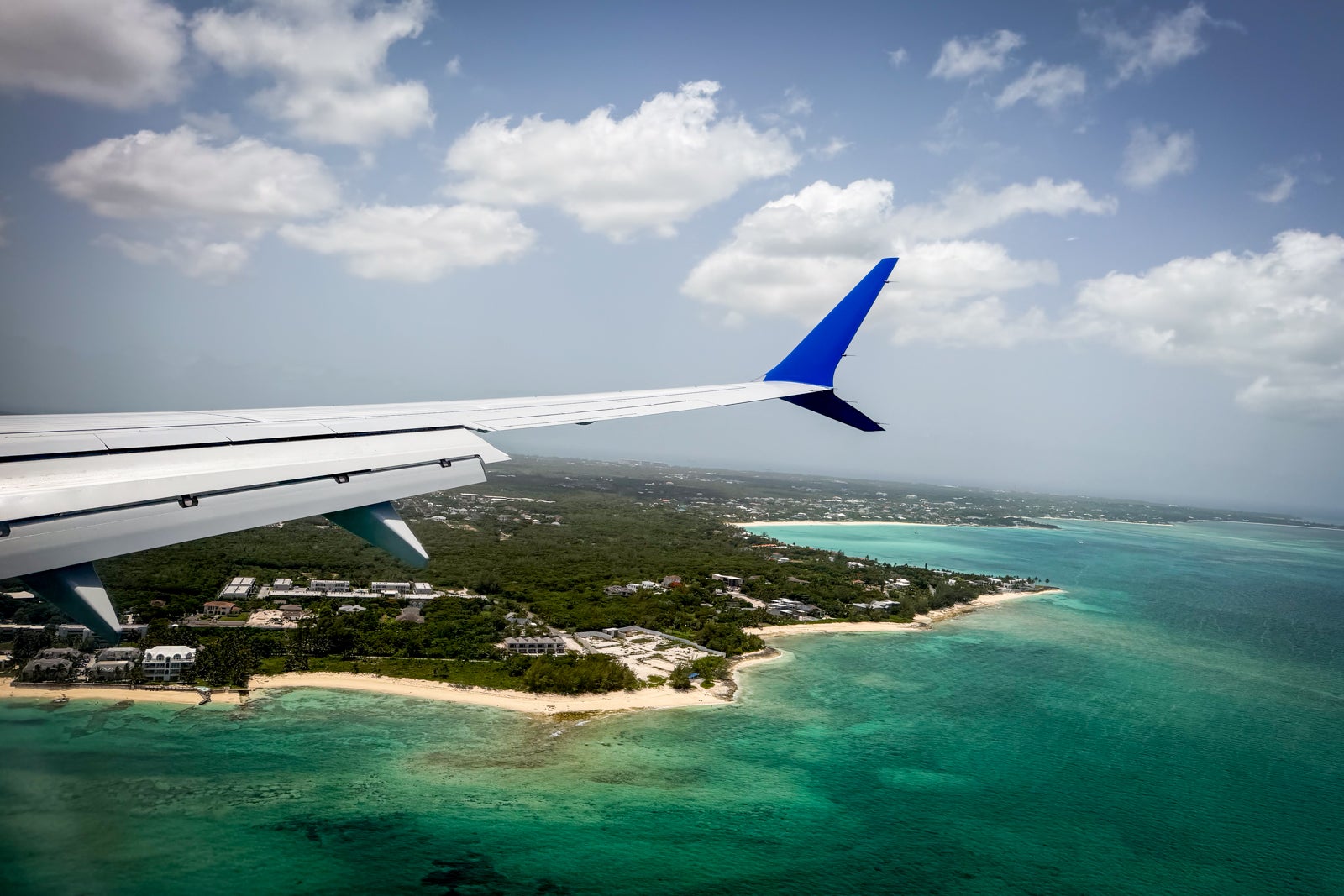
El Niño’s atmospheric effects severely dampen Atlantic hurricane development. Wind shear—the change in wind speed and direction with altitude—intensifies to the point of tearing apart developing storms before they consolidate into hurricanes. As of early fall 2026, more than 100 days into the season, no Atlantic hurricanes have yet materialized. This historic quiet creates genuine opportunities for budget-conscious travelers. Caribbean islands and coastal U.S. destinations typically priced at a premium during hurricane season offer substantial discounts for fall travel. Cruise lines similarly discount Caribbean itineraries.
The caveat remains essential: suppressed activity does not equal zero risk. Travelers should remain alert, but the statistical likelihood of encountering a hurricane has genuinely declined.
Pacific’s Dangerous Surge
The Pacific Ocean tells a different story. Elevated sea surface temperatures combined with minimal wind shear produce ideal breeding grounds for hurricanes. Hawaii, where only six hurricanes have approached the islands in 75 years, has already experienced three in 2026. This dramatic shift carries serious implications for Pacific island vacations and Mexican Riviera cruises, where storm risk has spiked considerably above normal expectations. Travelers holding reservations for fall—the statistical peak of Pacific hurricane season—face genuine danger. Rebooking to different destinations or postponing travel until after November 30, when the season officially concludes, represents a prudent strategy.
Tropical Regions in Upheaval
South America’s Flood Danger
Coastal Ecuador and northern Peru face heightened risk from heavy rainfall and flooding. The 1997-98 El Niño provides a sobering historical comparison: Peru’s extremely arid northern coast—which receives less than one inch of rainfall annually—absorbed over 100 inches of rain. Roads washed out entirely and bridges collapsed under the deluge. More distant regions including Lima and Machu Picchu, sites typically shielded by geography, have already experienced flooding and landslides during the current event. Travelers should seriously reconsider trips to these regions in coming months and monitor conditions closely if travel becomes unavoidable.
Southeast Asia’s Mixed Forecast
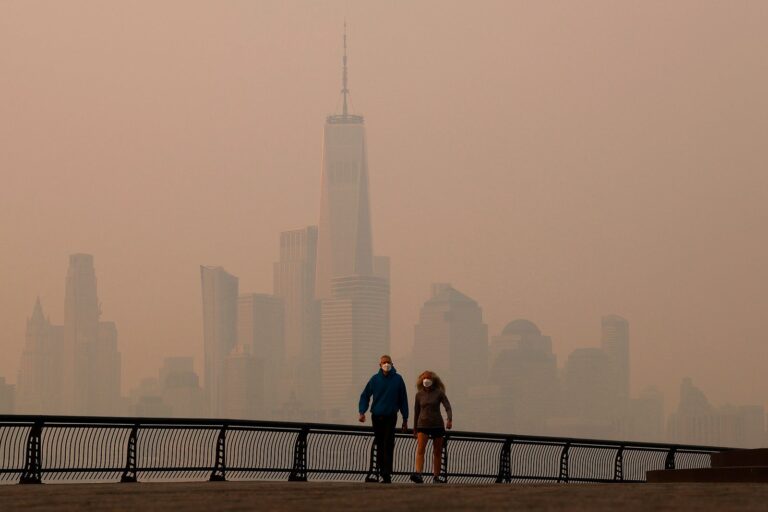
Weaker monsoons across South and Southeast Asia promise more sunshine and calm seas—ideal for beach time in Bali, Thailand, and the Philippines. This silver lining carries a dark underside: reduced rainfall increases wildfire frequency and smoke haze, degrading air quality substantially. The 2015-16 super El Niño triggered devastating fires across Indonesia and drove Thailand into one of its worst droughts on record. Japan should expect reduced snowfall, complicating ski trip planning. Korea will experience warmer temperatures and increased moisture, a wetter-than-normal pattern also affecting winter sports.
East Africa’s Safari Challenge
Heavier rains across East Africa from October through December make road conditions treacherous and can close bush airstrips, severely limiting safari access. Travelers who navigate these obstacles reap visual rewards: emerald-green grasslands and massive concentrations of migratory birds create extraordinary photography and viewing opportunities. Historical precedent warns of the disruptions: the 1997-98 El Niño isolated parts of Kenya from the rest of the country, while the 2023-2024 event damaged hundreds of miles of Tanzanian roads and dozens of bridges. Planning flexibility becomes essential.
Southern Hemisphere Under Stress
Australia’s interior faces drought conditions that heighten bushfire risk, particularly during the continent’s summer (December through February). Hazy skies from smoke degradation and low air quality will persist. These conditions compound into travel disruptions—delays, closures, and poor visibility undermine outdoor itineraries.
Southern Africa, including South Africa and Botswana, moves in the opposite direction, experiencing drier-than-normal conditions. Victoria Falls, straddling the Zimbabwe-Zambia border, becomes less visually impressive during drought years. Water restrictions can affect safari lodge operations. The drought’s one advantage: animals concentrate around diminishing water sources, making them far easier to locate and photograph during game drives.
Coral reef ecosystems face a separate threat. The 1997-98 El Niño triggered the first documented global coral bleaching event. The 2015-16 super El Niño initiated the longest global bleaching event on record. The Great Barrier Reef, already stressed, will likely experience significant bleaching by spring and summer 2027 as ocean temperatures peak. Postponing reef visits until the coral has recovered would both protect the ecosystem and ensure better underwater visibility for divers and snorkelers.
Europe’s Persistent Heat
Europe typically sits far enough from the Pacific to escape El Niño’s most direct effects. However, the continent has grown increasingly vulnerable to heatwaves in recent years. Summer 2026 already shattered temperature records across France, Germany, and surrounding nations. El Niño amplifies global air temperatures by releasing ocean heat into the atmosphere, intensifying this trend heading into 2027. Travelers seeking to avoid dangerous heat should shift European visits away from peak summer months—a strategy that simultaneously reduces costs and crowds, while improving comfort and safety.
Traveling Smart During El Niño
Insurance Essentials
Travel insurance becomes not merely advisable but essential during an El Niño year. The cancel-for-any-reason (CFAR) provision protects travelers against financial loss if forced to abandon trips due to weather events or other disruptions. Critical timing applies: CFAR coverage must be purchased within 24 hours to 21 days of making the first trip purchase. Waiting longer eliminates this option.
Health Precautions
Changing temperatures and rainfall patterns enable disease vectors to proliferate. Dengue fever cases surged across Southeast Asia and Pacific Islands following the 2015-16 super El Niño. Consulting a travel health specialist before departure becomes more important, ensuring travelers receive necessary vaccinations and any required prophylactic medications. The cost and minor inconvenience of preventive treatment pale beside the alternative of contracting tropical diseases abroad.
Real-Time Monitoring
Enrollment in STEP (Smart Traveler Enrollment Program) provides critical notifications about weather events and other developments affecting your specific destination. Coupling this enrollment with contingency planning—predetermined alternative destinations, flexible booking policies, and emergency contacts—transforms uncertainty into manageable risk. El Niño does not guarantee any particular outcome; it simply elevates the probability of severe and unpredictable weather. Preparation acknowledges this reality and ensures you can respond effectively when the unexpected arrives.
Frequently Asked Questions
When does El Niño 2026 end and how long will effects persist?
The World Meteorological Organization predicts the current El Niño will conclude around February 2027. However, its effects—particularly on weather patterns, rainfall, and ocean temperatures—will likely extend through spring and summer 2027, affecting seasons and conditions for months after the official end date.
Which regions offer the best travel weather during El Niño 2026?
Northern U.S. and Canada will experience warmer, drier winters suitable for city breaks. The Pacific Northwest will be unusually dry, perfect for outdoor activities. Colorado and California ski resorts should receive above-average snowfall. The southwestern U.S. will see desert wildflower blooms in spring. Southeast Asia offers more sunshine, though with increased wildfire smoke.
Why must I purchase travel insurance within 21 days of booking during El Niño?
Cancel-for-any-reason (CFAR) coverage—which protects you if forced to cancel due to weather or other disruptions—must be purchased within 24 hours to 21 days of making your first trip purchase. Once that window closes, CFAR coverage becomes unavailable, leaving you exposed to substantial financial loss if El Niño-related weather forces cancellation.
