
Key takeaways
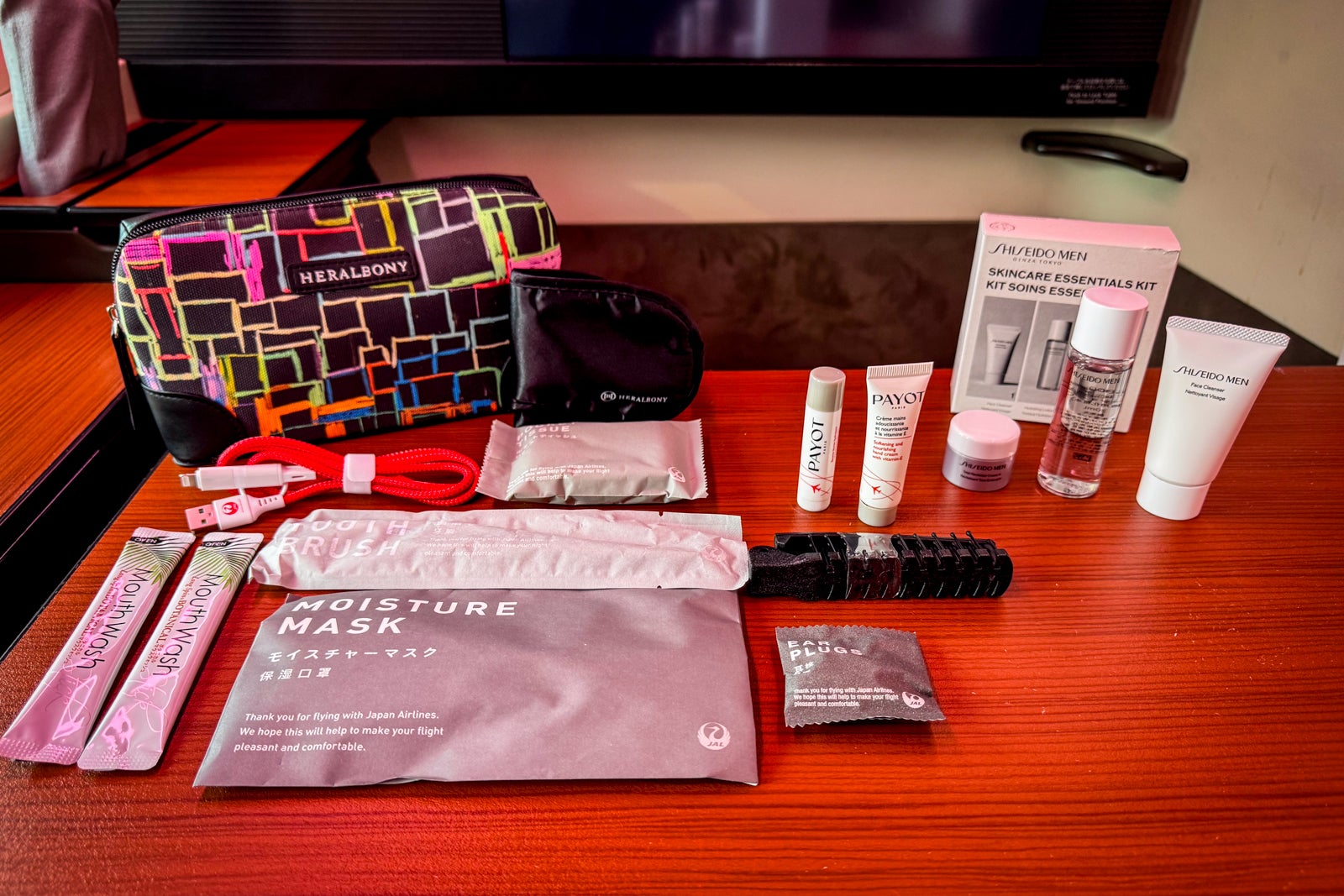
- Many airline amenity kits contain aloe vera, which triggers allergic reactions in sensitive travelers; Japan Airlines first class (Shiseido Men) and Lufthansa Allegris business class (L'Occitane) offer aloe-free alternatives.
- A DIY amenity kit addresses specific cabin challenges—dryness, hygiene, sleep disruption—using inexpensive travel-sized products that work equally well on economy flights and long-haul journeys.
- Essential items include sanitizers, saline nasal spray, silicone earplugs, face wipes, eye drops, and moisturizers; all must comply with TSA liquid rules and fit in a clear quart-sized pouch.
- Unlike airline-provided kits limited to premium cabins, a personal amenity kit works across all flight classes and lengths, making it practical for frequent award travelers.
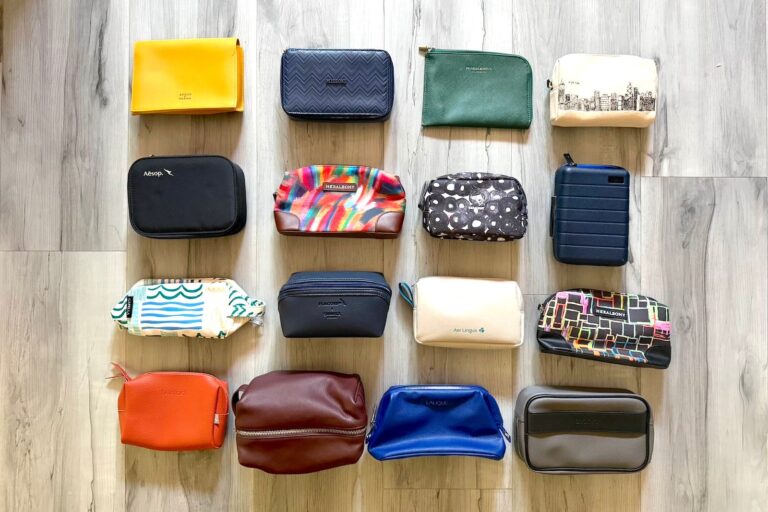
Airlines often stock premium amenity kits in first and business class cabins, partnering with upscale brands like Shiseido Men and L’Occitane to deliver skincare alongside practical items such as earplugs and eye masks. For most travelers, these kits are a welcome luxury. But for those with specific allergies or skin sensitivities, airline-curated selections may pose problems. Aloe vera, a common ingredient in travel-size skincare products, appears in many amenity kits—including those from well-regarded carriers. One traveler with an aloe allergy found themselves either avoiding the kits or tucking them away unused, prompting a different approach: assembling a personal amenity kit tailored to their own needs and tested preferences.
Why Aloe Vera Matters When Packing
Aloe vera is considered universally soothing for skin, which explains its prevalence across the travel skincare industry. For most people, it’s the ideal ingredient to combat the effects of cabin air. However, some travelers experience adverse reactions, including breakouts and irritation. After repeatedly encountering aloe-laden products in airline amenity kits, even on premium long-haul flights, this traveler decided to take control of the situation.
Japan Airlines first class cabins include Shiseido Men products, and Lufthansa’s Allegris business class features L’Occitane items—both brands that avoid aloe vera. But finding aloe-free options across multiple carriers proved difficult. Rather than sorting through every airline’s partnership choices, the author built a custom kit that works on any flight, including long-haul economy routes where no amenity kit is provided at all.
The Container and TSA Rules
Any DIY amenity kit begins with the right storage. Because many personal care items are liquids or gels, TSA regulations restrict what can pass through security. The author uses a clear pouch, which expedites screening and keeps contents organized and visible throughout the flight. In a pinch, a standard Ziploc bag serves the same purpose. The key is ensuring quick access and compliance with the 3.4-ounce limit per container.
Sanitation and Hygiene Essentials
Disinfecting Surfaces
Aircraft cabins harbor germs across numerous high-touch surfaces. The author brings Lysol disinfecting wipes to clean the immediate seat area and armrests—a practice adopted years before recent pandemic concerns highlighted airplane cleanliness. These wipes eliminate most bacteria and viruses encountered in-flight. One caveat: hands must be washed after use to avoid transferring the disinfectant to the face or eyes. For travelers without aloe sensitivity, Wet Ones offers a gentler alternative formulated with skin-friendly ingredients.
Hand Sanitizer
Supplementing disinfecting wipes, a hand sanitizer provides convenient cleansing between seat cleanings and before eating or touching the face. Most commercial hand sanitizers contain aloe vera as a soothing ingredient, so selecting an aloe-free formula becomes essential for sensitive skin. The author carries an inexpensive lavender-scented spray from the EO brand, which provides antimicrobial protection without triggering reactions.
Respiratory Comfort and Oral Care
Saline Nasal Spray
Airplane cabins have notoriously low humidity, which dries out nasal passages, mouth, and sinuses. The author experiences this intensely and has found that dehydration increases susceptibility to post-flight illness. A travel-sized saline nasal spray used every few hours maintains comfortable breathing and has demonstrably reduced the frequency of catching colds after travel. Unlike medicated sprays, saline is gentle and can be used throughout a flight without risk of rebound congestion.
Oral and Dental Care
For longer flights, particularly long-haul economy journeys lasting more than 12 hours, the author brings a compact folding travel toothbrush and travel-size toothpaste to maintain oral hygiene between takeoff and landing. Some travelers prefer dry toothpaste tablets, which conserve space and don’t count against TSA liquid allowances. Gum serves multiple purposes: chewing it during takeoff and landing helps equalize cabin pressure in the ears, while the act of chewing combats the dry mouth that develops during extended flight time.
Tissues
A travel packet of tissues covers unexpected sneezes and provides something to pass to a seatmate if needed. It’s compact, TSA-compliant, and often overlooked until a moment when it becomes essential.
Sleep Quality and Eye Comfort
Earplugs for Noise Control
As a light sleeper, the author travels with silicone earplugs in addition to any foam earplugs provided in airline amenity kits. Silicone earplugs block cabin noise more effectively than foam alternatives. Audiologists caution against regular wax buildup from earplug use; the author mitigates this by thoroughly cleaning ears after flights and limiting frequency of use. For those uncomfortable with silicone, foam earplugs remain a suitable alternative.
Eye Masks
LED lighting throughout an aircraft—from overhead panels to personal seat-back screens—interferes with sleep on long flights. The author travels with an eye mask regardless of cabin class. Even in business class, where airlines include eye masks in amenity kits, they often feel itchy and lack breathability. A personal eye mask provides superior comfort and ensures consistent darkness for restorative sleep.
Skincare and Hydration Products
Face Cleansing and Moisturizing
The dry cabin environment severely impacts skin, particularly hands that have been sanitized throughout the flight. The author uses CeraVe hand lotion to restore and maintain moisture; a small tube lasts several months. For the face, CeraVe eye repair cream works on the sensitive under-eye area and across the face in small amounts. The unscented formula remains undetectable while successfully delivering a refreshed appearance after inflight sleep. Optionally, Summer Fridays jet lag hydrating eye patches provide an extra hydration boost for travelers seeking a glowing complexion upon landing.
Eye Drops and Facial Refreshment
Eye drops—the author recommends Systane—address dry eyes that develop during flight. An ophthalmologist confirmed that occasional use on longer flights is acceptable, though overuse can worsen dryness over time. After waking from an inflight nap, gentle face wipes freshen the face without requiring airplane lavatory water, which the author deliberately avoids due to water quality concerns.
Lip and Sun Protection
Chapstick with SPF protects lips during the flight and ensures continued sun protection after landing, even on midday arrivals when UV exposure is high. This prevents the chapping that accompanies cabin air dryness and protects against solar damage during the final hours before deplaning.
Medications, Deodorant, and Other Essentials
After rushing to the airport via public transport or rideshare and navigating crowded terminals, travelers arrive at their seats already slightly disheveled. A small deodorant stick refreshes before a long flight and after deplaning, without taking up significant luggage space.
The author includes a pen—not for personal use, but because airplane passengers frequently request to borrow one for immigration and customs forms. Stocking a pen prevents repeatedly lending out the same writing instrument.
For particularly long flights extending to 16 hours, the author packs daily vitamins and supplements alongside a few doses of Ibuprofen and Tylenol for pain management if needed. Rather than bringing multiple pill bottles that consume space and exceed carry-on limits, a travel pill pack with individual compartments holds only what’s necessary for the flight while keeping bulk minimal.
Frequently Asked Questions
Why build a personal amenity kit instead of using what the airline provides?
Airline amenity kits often contain aloe vera and other standard ingredients that may trigger allergies or sensitivities. A personal kit lets you control every product and works on any flight—including long-haul economy routes where no amenity kit is provided. It's particularly valuable for travelers with known skin or ingredient sensitivities.
Do TSA rules allow all these items in carry-on luggage?
Yes, when packed in a clear quart-sized bag. Liquids like hand lotion, sanitizer, and saline spray must follow the 3.4-ounce limit per container, which is easily met by travel-size bottles. Solid items like earplugs, gum, and deodorant have no restrictions.
Which premium airlines offer amenity kits without aloe vera?
Japan Airlines includes Shiseido Men products in first class cabins, and Lufthansa's Allegris business class features L'Occitane items. Both brands are formulated without aloe vera, making them suitable for travelers with sensitivity. However, most other carriers' partnerships include aloe vera as a standard ingredient.
