

Key takeaways
- Delta launches daily Seattle-Narita service on March 27, 2027, ending a seven-year absence and creating dual-airport options for Tokyo-bound frequent flyers.
- SkyMiles members should monitor award availability across both Seattle-Haneda and Seattle-Narita flights, as the new route may offer better space on premium cabin redemptions.
- Narita lacks Delta's Sky Club lounge, forcing premium passengers to use the Korean Air facility—a notable disadvantage compared to Haneda's dedicated Sky Club.
- Alaska Airlines operates the same Seattle-Narita route with a newer Boeing 787-9, intensifying competition and giving frequent flyers a genuine alternative.
For seven years, Delta Air Lines has been absent from Tokyo’s Narita International Airport—a symbolic retreat that reflected the broader consolidation of the airline’s Asian operations. Next spring, that chapter closes. Starting March 27, 2027, Delta will operate daily nonstop service between Seattle-Tacoma International Airport (SEA) and Narita (NRT), restoring a presence at the airport that once anchored the carrier’s Pacific strategy.
The announcement comes as Delta expands its West Coast presence and recalibrates its long-haul footprint across Asia. For frequent flyers holding Delta SkyMiles status or those earning through co-branded credit cards, the return opens fresh award availability to Tokyo and reframes Narita as a viable alternative to Haneda—the airport that had monopolized Delta’s Tokyo strategy.
Seven Years Later: Why Narita Matters Again
Narita’s exit from Delta’s network tells a story of consolidation and strategic choice. When Delta acquired Northwest Airlines in 2008, it inherited a robust Narita operation that included nonstop U.S. service and an extensive web of “fifth-freedom” flights—routes that carried passengers between non-U.S. cities including Manila, Singapore, Guam, Shanghai, and Taipei. These flights leveraged Narita’s position as a major Asian hub and allowed Delta to connect passengers throughout the South Pacific and Southeast Asia without returning to U.S. soil.
But over the 2010s, the calculus shifted. Haneda Airport, located much closer to Tokyo’s city center, became the preferred gateway. The shift wasn’t unique to Delta—most carriers moved capacity from the outer Narita to the inner-city convenience of Haneda. Simultaneously, Delta deepened partnerships in Korea, building out its Incheon (ICN) presence alongside Korean Air alliance ties. The Narita network withered to nothing by the early days of the COVID-19 pandemic, marking the end of a chapter in Delta’s Asian operations.
The return in 2027 signals two things: Narita’s recovery as a viable secondary Tokyo airport, and Delta’s confidence in Seattle as a growth market for long-haul Asia service. The new route will operate alongside Delta’s existing Seattle-Haneda service, which continues without interruption. As Jeff Arinder, Delta’s vice president of international network planning, stated at the announcement, this Narita service will “complement” Haneda operations, giving SkyMiles members genuine choice.
Aircraft and Capacity
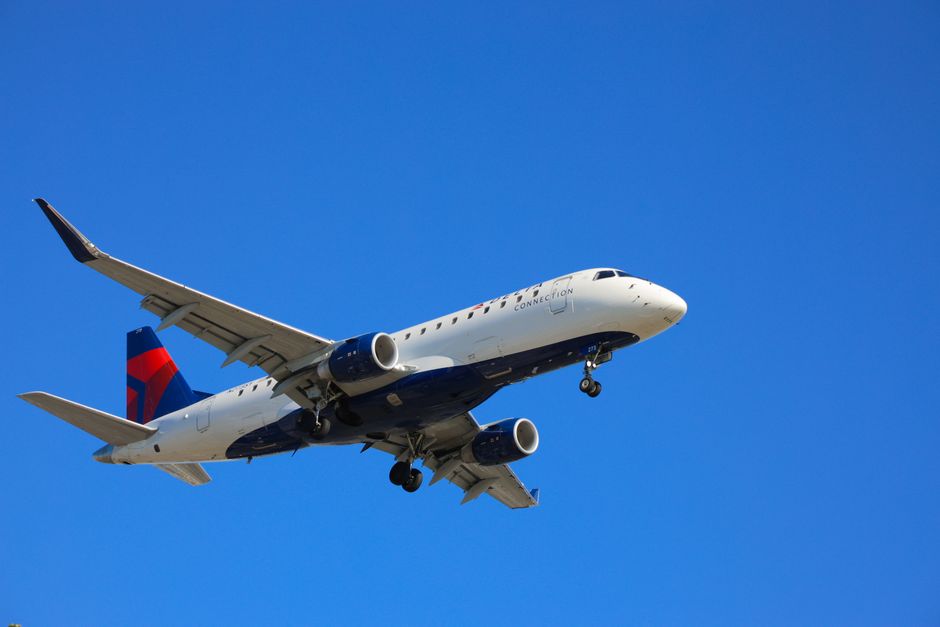
Delta will deploy the Airbus A330-900neo on this route, the carrier’s newest wide-body aircraft for long-haul service. The aircraft provides three-cabin international routing and represents modern efficiency for the roughly 11-hour flight. For award bookers, the A330-900neo typically offers better seatmate odds and more consistent product than older equipment.
Strategy Within Tokyo: Haneda Still Dominates
The announcement carefully positions SEA-Narita as complementary rather than competitive with SEA-Haneda. Delta will maintain both routes simultaneously. For travelers and award seekers, this creates genuine choice—something that rarely exists in Delta’s network. Some passengers will prefer the city-center convenience of Haneda; others may find better award availability or schedule fit on the Narita flight.
The dual-route approach also protects against airport congestion and gives Delta operational flexibility. If one flight becomes oversold, award space on the alternate Tokyo service might bridge the gap. For frequent flyers with elite status, having two daily nonstop options from Seattle doubles the probability of securing premium cabin inventory.
Implications for Points and Loyalty Program Dynamics
Award Availability and Redemption Strategy
Long-haul routes to Tokyo consistently rank among the hardest to book with miles. Business and first-class seats on transpacific flights block availability quickly, especially on Haneda service where demand concentrates. The new Narita flight adds a second daily window, likely including its own award bucket. SkyMiles members searching award calendars may find space on the Narita departure when Haneda shows as fully booked.
Award pricing will matter too. Delta’s revenue management team typically prices the same route identically across duplicate flights, but award availability pools remain separate. This separation favors flexible travelers who care less about airport location and more about securing space.
Lounge Access and Ground Experience
One significant trade-off: Narita lacks a Delta Sky Club. Haneda is Delta’s only Sky Club location outside the continental United States, making it a rare perk for international travelers. Passengers arriving at Narita on this new Delta service will have lounge access through Korean Air, Delta’s SkyTeam alliance partner. The Korean Air lounge at Narita functions adequately, but it’s a step down from the dedicated Delta facility at Haneda. Elite members and first-class passengers will notice the difference.
This distinction reinforces why award and fare selection matters. Those prioritizing premium ground experience will steer toward Haneda; those optimizing for schedule or award availability will accept the Narita trade-off.
Broader Network Expansion and Competitive Pressure
The Narita announcement arrives amid a wave of Delta Pacific route additions. Earlier in summer 2026, the carrier revealed plans for nonstop Los Angeles-Manila service beginning in 2027, expanding options for travelers heading to the Philippines. These additions position Delta for growth as post-pandemic travel patterns stabilize and leisure and business traffic to Asia rebounds.
Alaska Airlines complicates the Seattle-Narita market. The Seattle-based carrier operates nonstop Seattle-Narita service with a Boeing 787-9 Dreamliner obtained through its 2024 acquisition of Hawaiian Airlines. Alaska’s Boeing 787 offers a formidable competitor—newer aircraft, potentially better fuel economics, and hometown loyalty from Seattle-based travelers. Delta’s entry brings choice to the market, but Alaska will remain a strong alternative, especially for those holding Alaska elite status or seeking to build Mileage Plan balances.
Market Dynamics and Frequency
Both Delta and Alaska now operate the same route daily. In practical terms, this means frequency-focused travelers—those trying to maximize premium cabin upgrades through elite status—face a choice between two carriers with identical schedules. Award pricing will likely converge, but route-specific factors may create occasional asymmetries. SkyMiles and Mileage Plan members should monitor both programs for promotional pricing or temporary devaluations on this newly competitive route.
What Frequent Flyers Should Do Now
The March 2027 launch is still eight months away, but the timing affects current planning. Travelers with flexible itineraries should consider booking SEA-Haneda award flights through the end of 2026 while Narita capacity remains offline. Once the new route opens, award inventory will likely distribute across both flights, potentially tightening availability on Haneda during peak seasons.
Those holding significant SkyMiles balances targeting Tokyo should monitor Delta’s schedule release for this route. First-come availability patterns on new routes often favor business-class and first-class redemptions over economy, so upgrade-focused travelers may see opportunity early. Conversely, standard economy award seekers might find more options once the route matures and booking patterns normalize.
Credit card members should note that this route qualifies for standard earning on Delta’s flagship business card and co-branded versions. The decision between SEA-Haneda and SEA-Narita should prioritize personal convenience and ground experience, not miles earning—the earning rate is identical either way.
Frequently Asked Questions
When does Delta's Seattle-Narita service begin?
The daily nonstop service begins on March 27, 2027, operating with an Airbus A330-900neo aircraft on the roughly 11-hour flight.
Will Delta continue operating to Tokyo Haneda?
Yes. Delta will continue daily Seattle-Haneda service alongside the new Narita route, providing multiple options for Tokyo-bound travelers.
Why doesn't Narita have a Delta Sky Club like Haneda?
Haneda is Delta's only Sky Club location outside the continental United States. At Narita, Delta passengers can access the Korean Air lounge through the SkyTeam alliance partnership.
