
Key takeaways
- Delta postponed its October 23 Atlanta-Riyadh debut to March 2027 after strikes at Riyadh airport killed at least 16 and wounded over 300.
- The route's value to Delta lies in its partnership with newly formed Riyadh Air, providing access to Middle East and South Asian connections rather than direct Saudi demand.
- Saudi Arabia's Air Connectivity Program subsidies mitigated Delta's financial risk, making postponement feasible despite weak advance bookings.
Delta Air Lines announced Monday it is postponing the launch of its service between Atlanta and Riyadh, Saudi Arabia until at least March 2027. The carrier had planned a debut on October 23 with daily flights from Hartsfield-Jackson Atlanta International Airport (ATL) to Riyadh’s King Khalid International Airport (RUH), operating at that frequency for one week before transitioning to three times per week. The postponement follows strikes on Riyadh airport late last week and through the weekend. According to reports, the attacks killed at least 16 people and wounded more than 300. Photos showed damage to at least one Saudia aircraft and terminal buildings. Airport authorities announced closure through at least 9 p.m. GMT on Saturday, October 17, with several international carriers suspending service.
Passengers with bookings on the inaugural October 23 flight or any departure before March can access rebooking, rerouting, and refund options through Delta’s website and mobile application using the “My Trips” section.
Delta Delays Riyadh Launch to March 2027
The October 23 startup date is no longer feasible. The original plan called for seven consecutive daily flights before scaling to three weekly rotations. The March 2027 restart pushes the launch back approximately six months.
Airport Strikes Prompted Safety Review
Scale of the Damage
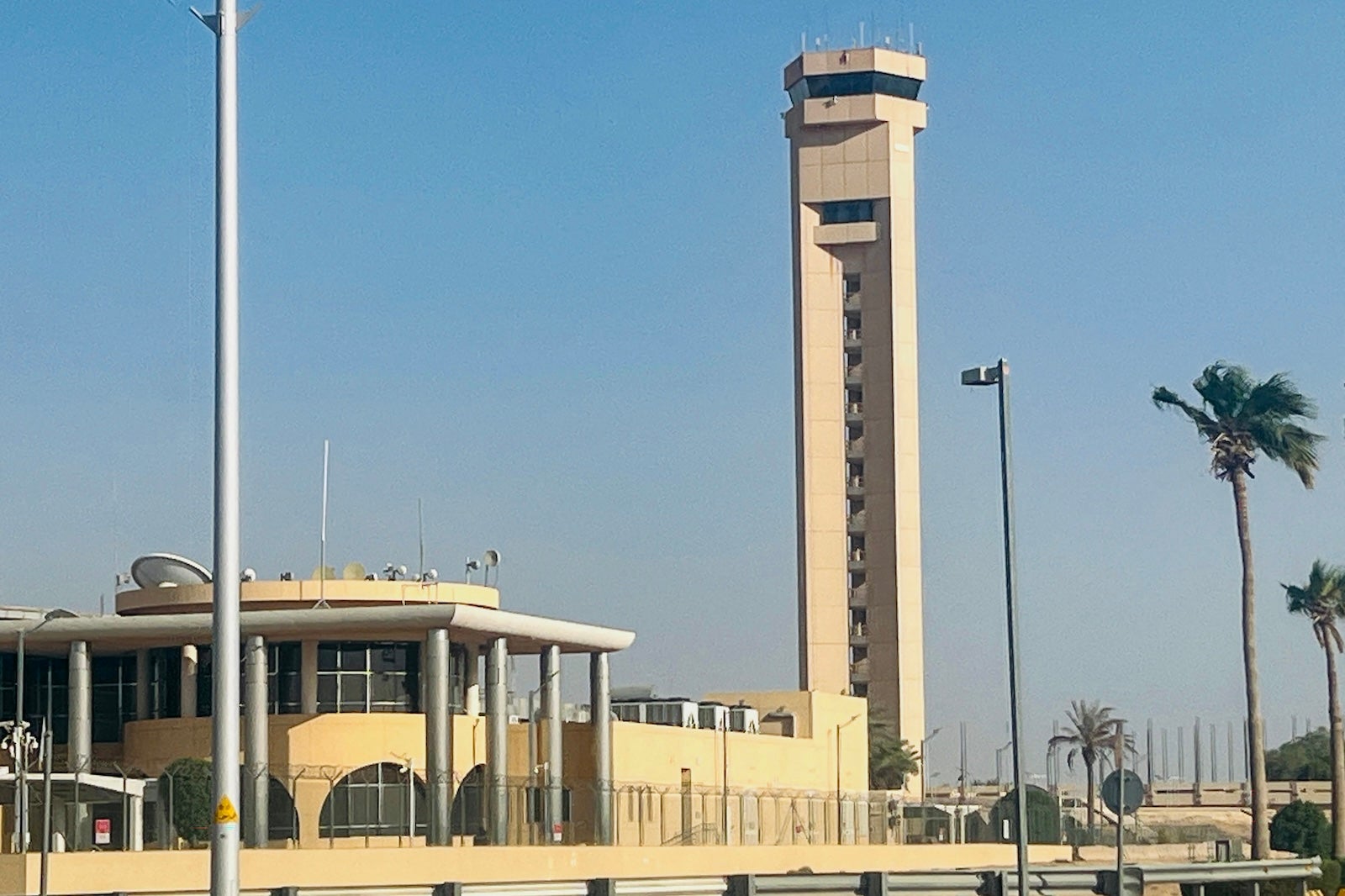
Attacks on Riyadh airport proved substantial. At least 16 fatalities and more than 300 injuries resulted from strikes occurring late in the previous week and continuing through the weekend. Photos showed visible damage to at least one Saudia jet and terminal buildings. Airport authorities announced closure through at least 9 p.m. GMT on Saturday, October 17, with multiple international carriers suspending operations upon reopening.
CEO Signaled Deliberation
Delta CEO Ed Bastian indicated on Thursday that the airline was weighing postponement. In CNBC comments, he stated that safety would determine the decision. On Monday, Delta confirmed postponement, releasing a statement that “Saudi Arabia remains an important market for Delta, and we are committed to serving the Kingdom for the long term.” The phrasing signals a temporary tactical response rather than strategic withdrawal.
Why Riyadh Matters Beyond Direct Travel
Partnership and Gulf Region Access
Delta executives promoted the route as addressing strong U.S. demand for travel to Saudi Arabia. Beyond serving direct passengers, the route supports a partnership with Riyadh Air, a newly formed Saudi carrier positioning Delta to access connections across the Middle East and Indian subcontinent. American Airlines and United Airlines maintain partnerships with Gulf carriers, giving them regional access Delta lacked. The Riyadh Air deal closes that competitive gap.
Competitive Positioning
The Gulf region represents a strategic battleground for U.S. carriers competing against dominant regional players like Emirates, Qatar Airways, and Etihad. Delta’s partnership with Riyadh Air is rare for the airline. By routing traffic from Atlanta through Riyadh Air to Middle East and South Asian destinations, Delta expands its competitive options substantially in a region where access was previously limited.
Government Subsidies Mitigate Financial Risk
Saudi Arabia’s Air Connectivity Program provides subsidies to international carriers launching new long-haul routes. These payments offset operating costs and make ventures viable even with modest pre-launch demand. Reports indicated the Atlanta-Riyadh route was not generating strong pre-launch bookings. With government subsidies reducing financial exposure, weak advance bookings likely made postponement a cleaner business decision. This subsidy structure reflects Saudi Arabia’s aggressive positioning as a major global aviation hub.
Historic Route Milestone Now Delayed
When service eventually launches in March 2027, Atlanta-Riyadh will be the first nonstop commercial flight between the U.S. and Saudi Arabia operated by a U.S. carrier. Saudia currently operates nonstop flights from Riyadh and Jeddah to New York’s JFK and Washington Dulles. No American carrier had filled this direct-route gap until Delta’s Riyadh Air partnership. The delay postpones this milestone but does not diminish its eventual historical significance.
Aircraft Assignment Signals Confidence
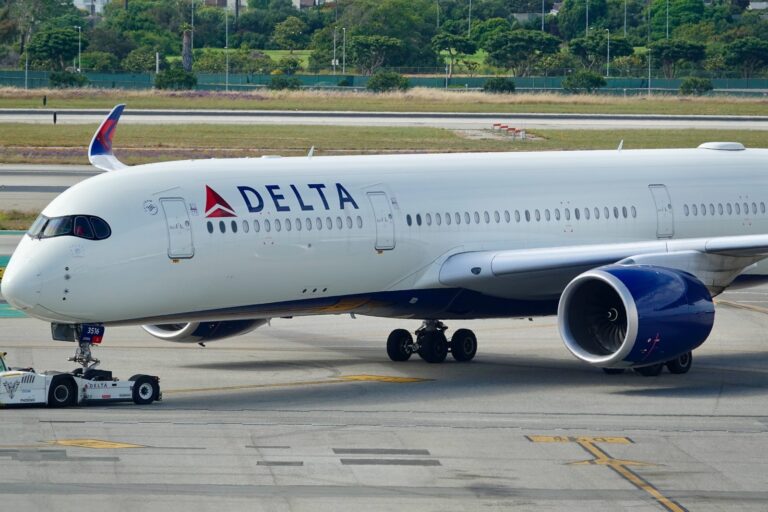
Delta will deploy its Airbus A350-900 on the approximately 7,500-mile Atlanta-Riyadh route. This modern wide-body aircraft is well-suited to long-distance efficiency and passenger capacity, characteristics supporting profitable operations even with variable demand. The A350-900’s superior fuel efficiency makes it ideal for extended routes. Delta’s decision to assign this flagship aircraft signals confidence in long-term viability despite the near-term postponement.
Variables When Service Resumes
The March 2027 restart depends on regional stabilization and airport recovery completion. Riyadh Air remains a newly formed carrier with limited operational history, introducing partnership complexity. Managing integration with an inexperienced partner adds operational variables. The regional geopolitical landscape may shift substantially over coming months. For frequent flyer program members seeking U.S.-Saudi Arabia connectivity, March launch merely postpones access to a new direct gateway and onward connections throughout the Middle East and South Asia.
Source: The Points Guy Articles
Frequently Asked Questions
When will Delta launch flights between Atlanta and Riyadh?
Delta delayed the launch from October 23 to at least March 2027 following strikes on Riyadh airport. The carrier originally planned to start with daily service for one week before scaling to three times per week.
Why did Delta postpone the route launch?
Strikes on Riyadh airport late last week and through the weekend killed at least 16 people and wounded over 300, causing substantial damage to aircraft and terminal buildings. Delta CEO Ed Bastian stated that safety considerations would determine the airline's decision, and the company prioritized safety over maintaining the original schedule.
What aircraft will Delta use for the Atlanta-Riyadh route?
Delta plans to operate the route with its flagship Airbus A350-900, a modern wide-body aircraft suited to the approximately 7,500-mile distance between Atlanta and Riyadh.
