
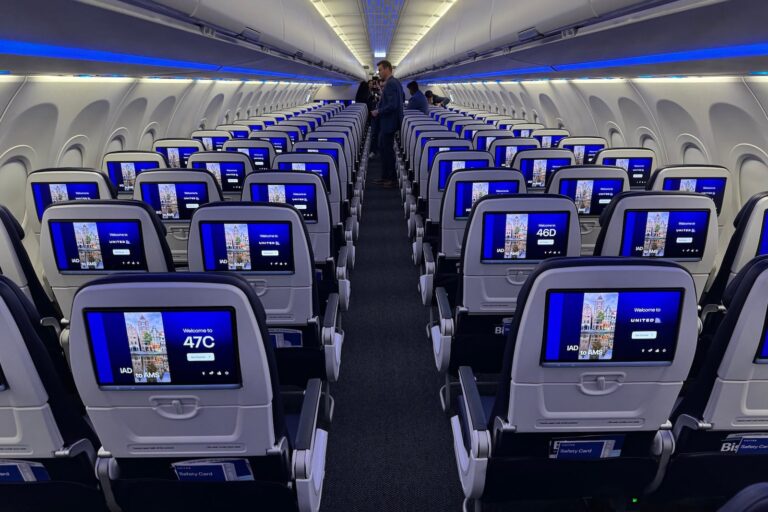
Key takeaways
- United Airlines is deploying 50 Airbus A321XLR aircraft on new nonstop routes to lesser-known European destinations, featuring business-class suites and premium economy on single-aisle jets.
- Delta Air Lines opposes the strategy, with its chief commercial officer saying single-aisle planes aren't suitable for international flying, and plans no narrow-body transatlantic service.
- American Airlines, Iberia, Aer Lingus, and JetBlue are already offering or expanding single-aisle transatlantic flights, demonstrating that airlines worldwide are embracing the approach.
The A321XLR: United’s Transatlantic Bet
For decades, transatlantic travel meant boarding a massive aircraft with hundreds of seats—the Boeing 747 or Airbus A380. But United Airlines is rewriting that script. The Chicago-based carrier announced this week that it will operate 10 new nonstop routes to European destinations starting next spring, and the twist is striking: many will use single-aisle aircraft instead of the wide-body jets that have dominated ocean-crossing flights.
The new routes connect to lesser-known European cities including Luxembourg, Slovenia, the Azores, and Sicily. What ties several of them together is aircraft size. Rather than dispatching a jumbo jet to well-trodden hubs like London or Paris, United is betting that passengers prefer direct access to smaller, less touristy destinations—even aboard a narrower cabin.
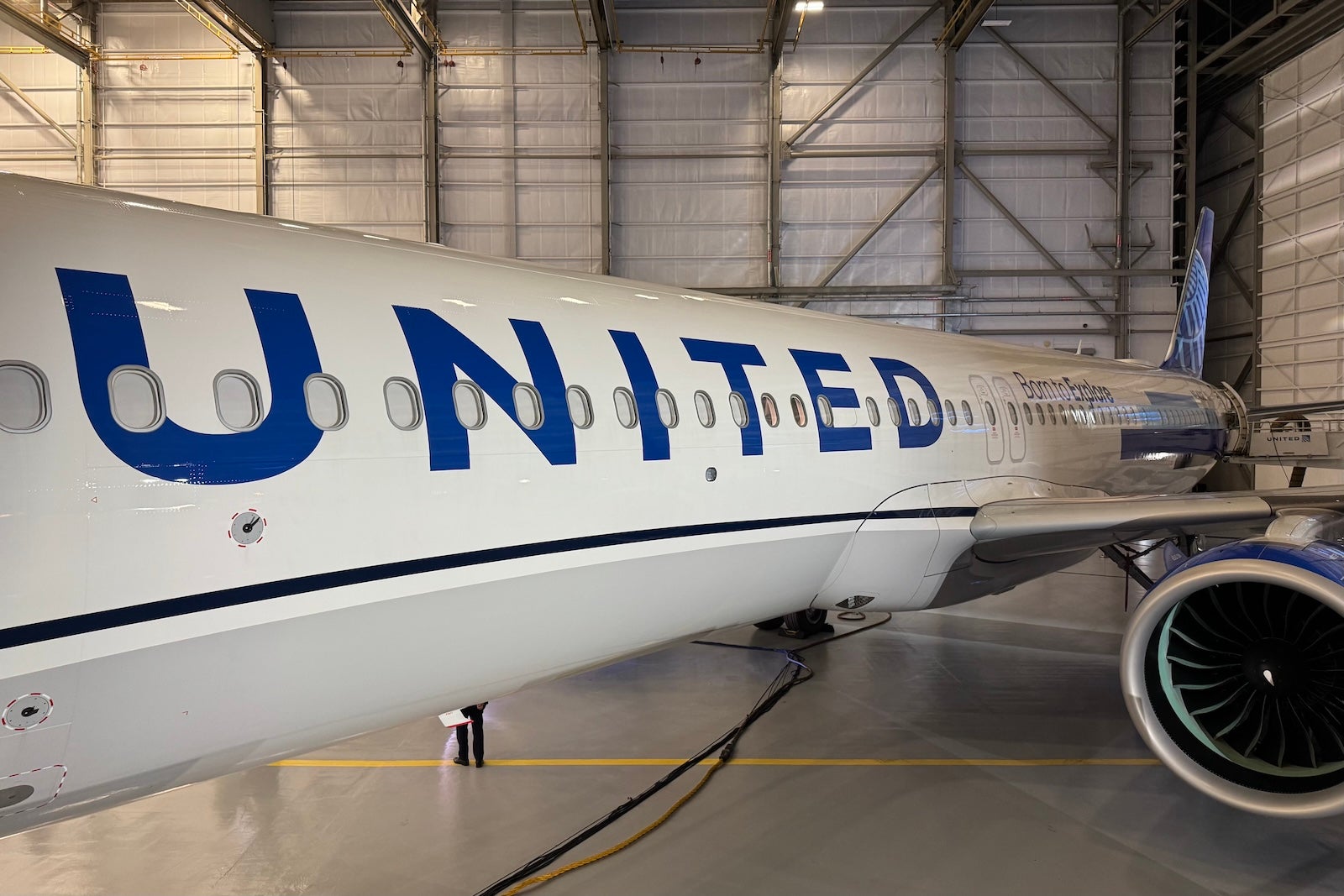
The aircraft driving this strategy is the Airbus A321XLR, a long-range, single-aisle plane equipped with premium cabins. United has 50 on order, signaling this approach will shape the airline’s international footprint for years. “There’s really no other U.S.-based carrier that’s leaning in to this narrow-body platform in a premium configuration the way United is,” said Andrew Nocella, United’s chief commercial officer.
Premium Cabins on a Narrow Fuselage
The A321XLR isn’t a standard narrow-body. United’s configuration includes 20 Polaris business-class suites and 12 Premium Plus recliners in premium economy. Coach passengers get access to a walk-up snack bar, a rarity on single-aisle aircraft. The airline is also offering one row with a special perk: passengers can pay extra to guarantee the middle seat stays empty. These amenities attempt to offset the constraints of flying a smaller aircraft over eight hours.
The Nonstop Advantage
The driving benefit, from United’s perspective, is geography. A321XLR aircraft deposit passengers directly at their final destination rather than requiring a connection through a European megahub. Patrick Quayle, United’s chief network planner, emphasized this advantage: “When you add that in with the fact that it’s a nonstop flight and it avoids the connection in Europe, this is all the ingredients for success. So, we’re quite bullish on it.” That nonstop positioning matters because it eliminates the risk of missed connections and the hassle of changing planes mid-journey. A traveler booked on a traditional wide-body routing to a secondary destination might touch down in Frankfurt, Rome, or Paris first, then catch a regional jet to their true destination. The single-aisle model collapses that itinerary into one flight.
Delta Rejects the Single-Aisle Strategy
Not everyone is convinced narrow-body transatlantic travel is a win. Delta Air Lines has made its position official: the airline will not deploy single-aisle jets on intercontinental routes. Delta’s chief commercial officer, Joe Esposito, was blunt about the approach: “I don’t know if it’s the best product.” He continued: “It’s hard to put a great product on a narrow-body for international, especially if you’re trying to go far.”
The Real Constraints
The concerns behind Delta’s stance are grounded in physics. A smaller fuselage means less cabin width, fewer lavatories, reduced galley space for flight attendants preparing meals, and limited room to move around during an eight-hour flight. On United’s Instagram announcement, reactions from frequent flyers were divided. One commenter stated flatly: “I won’t take a single-aisle airplane across the ocean if I can help it.”
United’s Continued Investment in Wide-Bodies
United isn’t backing away from wide-bodies either. The carrier has a large order of Boeing 787 Dreamliners arriving over the coming years, which will remain the backbone of its long-haul network. The A321XLR strategy fills a different niche: opening secondary markets that wouldn’t support a full-size jet.
Competitors Follow Suit
United is not charting this course alone. American Airlines deployed its own A321XLR earlier this year on the Edinburgh route and plans to expand the aircraft to Porto, Vienna, and Amsterdam in 2027. Spain’s Iberia and Ireland’s Aer Lingus have already launched nonstop service from smaller U.S. cities to Madrid and Dublin on the same platform.
JetBlue has been operating single-aisle jets transatlantically since 2021, building brand equity around its Mint business-class cabin. The airline proved there’s demand for premium narrow-body international service, paving the way for carriers like United and American to follow.
What’s emerging is a pattern: narrow-body, long-range aircraft are enabling airlines to serve niche routes that were too small to justify deploying a wide-body jet. The economics work if passengers will pay for premium seating and nonstop convenience.
What Frequent Flyers See
The rollout of these routes will reshape how award programs value seats on transatlantic flights. Nonstop awards to secondary European cities become possible for the first time, opening new redemption options. Frequent flyers holding United MileagePlus miles or American Airlines AAdvantage miles will see new nonstop routings appear in award search results as these aircraft enter service.
Weighing the Trade-Offs
The Polaris suites and Premium Plus cabins on these routes will command premium award pricing. However, the nonstop value proposition—avoiding connections and ground time—may justify the cost for some travelers. On the flip side, frequent flyers who prize spacious cabins and full amenities may find these single-aisle flights less appealing. Coach seats on an eight-hour flight offer minimal legroom, and the narrower fuselage limits the comfort of a long overnight journey. The walk-up snack bar and guaranteed empty middle seat help, but they don’t replicate the experience of a wide-body cabin.
Not everyone agrees on the trade-off. Another commenter on United’s announcement voiced the opposing view: “As for me, I’ll get on the nonstop and not spend my time at a European megahub wondering if I’m going to miss my connecting flight. By the time you show up, I’ll already have done a half-day tour, had dinner and be at the bar with a drink in my hand.”
The Broader Shift in International Aviation
The strategic shift reflects a broader evolution in international aviation. The days of ferrying passengers exclusively on massive aircraft to dominant hubs are fading. Airlines now view point-to-point nonstop routes to smaller cities as the growth frontier, and aircraft like the A321XLR make that economically feasible. Whether the narrower cabin becomes the standard for transatlantic travel remains uncertain—Delta’s resistance suggests skepticism persists. But United’s confidence in ordering 50 of them signals the carrier believes the trend is here to stay.
Frequently Asked Questions
How many new routes is United launching, and where do they go?
United announced 10 new nonstop routes starting next spring to destinations including Luxembourg, Slovenia, the Azores, and Sicily, all using the single-aisle Airbus A321XLR aircraft.
Why is Delta Air Lines not operating single-aisle planes on transatlantic routes?
Delta's chief commercial officer Joe Esposito stated the airline doesn't believe single-aisle aircraft can deliver a quality product for international flying, especially on longer routes. Delta is sticking exclusively with wide-body jets for intercontinental service.
What premium features does United's A321XLR include?
United's configuration includes 20 Polaris business-class suites, 12 Premium Plus recliners, a walk-up snack bar for coach passengers, and a special row where travelers can pay extra to guarantee the middle seat stays empty.
