
Key takeaways
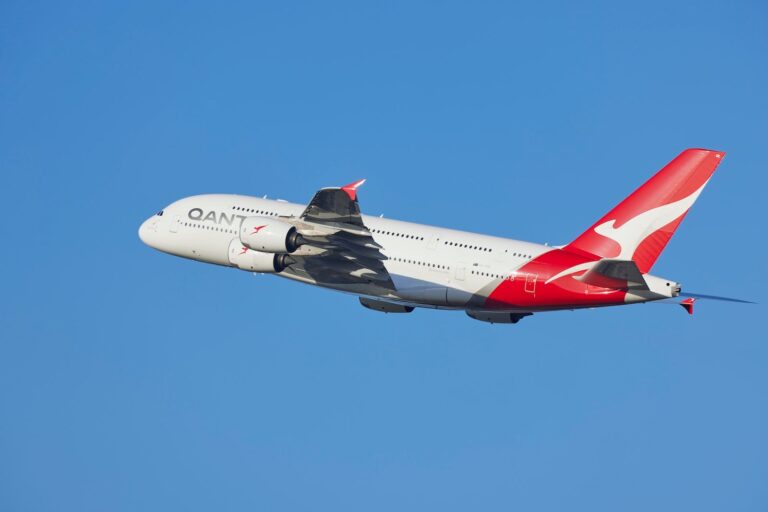
- Qantas will retire its Airbus A380 fleet starting in 2028, four years earlier than originally planned, due to rising fuel costs and the aircraft's expensive four-engine configuration.
- The airline is introducing new Boeing 787-9 business suites with sliding privacy doors and 80-inch beds, arriving on newly delivered aircraft with no retrofit planned for existing 787s.
- Award space on A380 flights will tighten as retirement approaches; frequent flyers interested in the superjumbo should book earlier rather than waiting until 2028.
Qantas announced this week that it will begin phasing out its Airbus A380s in 2028, accelerating the retirement timeline by four years from its original 2032 target. The decision reflects mounting economic pressures that have made the massive four-engine aircraft difficult to operate profitably at scale. Qantas had initially expected to retire the superjumbo in 2032, but with substantial new aircraft confirmed to arrive in 2026 and 2027, the carrier can now front-load the transition to more efficient equipment.
In 2023, Qantas placed an order for 24 twin-aisle jets specifically intended to replace its aging widebody fleet: 12 Airbus A350s and 12 Boeing 787 Dreamliners. The airline currently expects 17 of these new aircraft to join its fleet during 2026 and an additional 31 in 2027. With this substantial delivery pipeline confirmed, executives determined that beginning the A380 phase-out in 2028 is achievable. The retirement process will likely span several years as the carrier gradually removes each aircraft from service and transitions its routes to newer equipment.
Why the A380 Became Uneconomical
The A380’s fundamental challenge has always been economics. The aircraft’s four engines and enormous size drive substantial per-flight operating costs that few route networks can sustain. Carrying approximately 555 passengers, the superjumbo requires exceptionally strong demand across all cabin classes to achieve acceptable load factors. Empty seats on an aircraft this size translate to significant per-flight revenue loss. Modern twin-engine widebodies, by contrast, offer superior fuel efficiency and substantially lower per-seat operating costs.
Most of the world’s major carriers have reached the same conclusion: fuel-efficient widebodies are better suited to contemporary aviation economics than the superjumbo. The sustained elevation in fuel prices throughout 2026 has made the cost differential between the A380 and newer aircraft even more acute. As more efficient alternatives have entered the market, the economic case for operating the four-engine giant has deteriorated further, particularly on routes where load factors have struggled.
The Current A380 Landscape
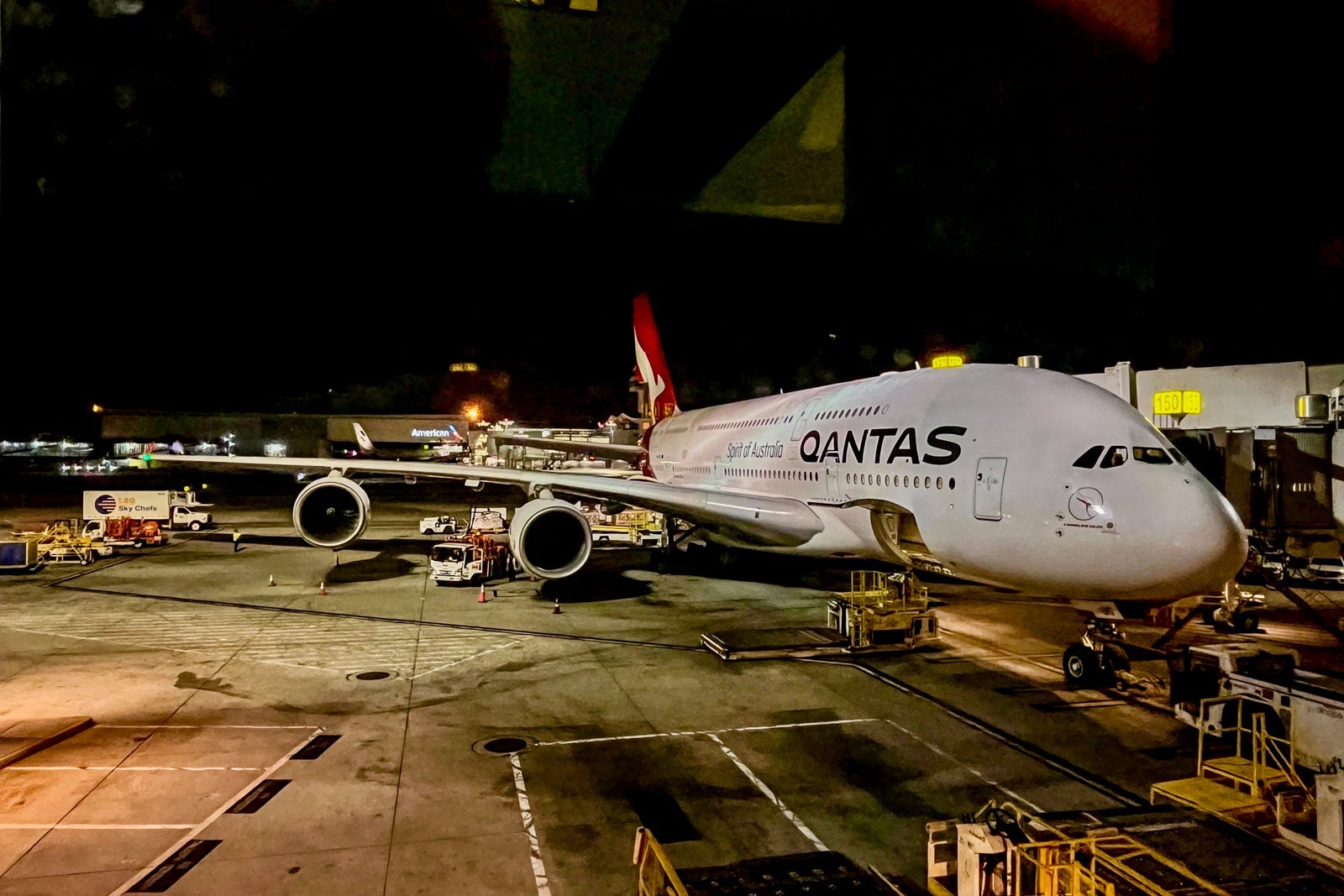
Qantas is not alone in moving away from the superjumbo. Nine other airlines currently operate A380s globally, and most are evaluating similar retirement or redeployment strategies that reflect comparable economic pressures.
Emirates, however, has taken a distinctly different approach. The carrier operates the world’s largest A380 fleet by a substantial margin and has configured its aircraft with 485 total seats split between premium and economy-class cabins. Each Emirates A380 features a true international first-class cabin, a product that remains increasingly rare across the global aviation industry, along with 70 business-class pods. This premium-heavy seating configuration aligns with Emirates’ market positioning on long-haul routes and its focus on premium-cabin revenue generation.
U.S. travelers can still book Qantas A380 flights to Australia, though this window is finite. The airline currently operates the superjumbo on three routes connecting Australia to the United States. These rotations will narrow as Qantas progresses through its 2028 retirement timeline, creating a limited window for passengers who specifically wish to experience the iconic aircraft before it exits service.
New Boeing 787-9 Business-Class Suites
While accelerating its older aircraft retirements, Qantas announced a next-generation business-class product for its incoming Boeing 787-9 Dreamliners. These suites represent a significant evolution of the airline’s current long-haul business-class offering and will debut on newly delivered aircraft.
Privacy Doors and Expanded Accommodations
The new 787-9 business suites will feature sliding privacy doors, a first for Qantas’s 787 fleet operations. Passengers will have access to 80-inch lie-flat beds paired with wider footwells, both meaningful upgrades compared to the airline’s existing long-haul business-class product. Qantas characterized these improvements as an evolution of its premium cabin rather than a complete redesign, suggesting that core structural elements will remain familiar to existing customers accustomed to the current 787 product.
Pilbara-Inspired Design
The color palette for the new suites draws inspiration from Western Australia’s Pilbara region, reflecting Qantas’s commitment to weaving local geography and identity into its premium cabin design. The suites will appear on newly delivered 787-9 aircraft. Retrofit of the airline’s existing 787 widebody fleet is not part of the plan, meaning only the new generation of aircraft arriving in the coming years will feature the upgraded product.
Award Availability and Redemption Strategy
For frequent flyer members planning to redeem points on Qantas flights, timing considerations are important. A380 award availability will likely decline as retirement approaches, suggesting that members specifically interested in flying the superjumbo should pursue redemptions earlier in the phase-out window rather than deferring until 2028 approaches. New 787-9 suites will become available on aircraft as they enter the Qantas fleet, meaning award availability for this premium product will open immediately as deliveries begin.
Award space on Qantas long-haul flights typically becomes visible 11 to 12 months in advance of departure, though some availability emerges closer to travel dates. As media attention continues to build around the A380 retirement, competition for premium awards may intensify, particularly for the final years of A380 service.
Booking Qantas Awards From North America
Frequent flyer members in the U.S. and Canada have three primary pathways for booking Qantas flights with points and miles.
Direct Qantas Frequent Flyer Redemptions
The most straightforward method is redeeming points directly through the Qantas Frequent Flyer program. Members accumulate points through flying Qantas and partner airlines, as well as through credit card spending partnerships. Once sufficient points are accumulated, members can book Qantas-operated flights at the award rates published by the airline.
Transfer Partner Credit Card Programs
American Express, Capital One, Citi, and Rove all offer one-to-one transfer options to Qantas Frequent Flyer. Members holding credit cards from these issuers can convert their transferable points to Qantas points at a 1:1 ratio, then complete award bookings through the Qantas portal. This pathway appeals particularly to credit card holders with substantial transferable point balances accumulated across multiple premium cards.
Oneworld Alliance Awards
Qantas is a member of the Oneworld alliance, which permits cross-partner award bookings. In North America, American Airlines’ AAdvantage program members can book Qantas flights through AAdvantage. Additionally, Atmos Rewards—the joint loyalty program for Alaska Airlines and Hawaiian Airlines—allows members to book Qantas flights. Alliance award bookings sometimes present different pricing or availability compared to direct Qantas redemptions, making it worth checking all available options when planning a trip.
Evaluating Points Value and Timing
Business-class round-trip fares to Australia typically exceed $6,000, with premium routes to major cities pushing substantially higher. Qantas award bookings in business class to Australia generally deliver strong cents-per-point value relative to cash fares, making them attractive redemptions for members with sufficient point balances.
The impending A380 retirement creates distinct limited-time appeal for this aircraft. Travelers who specifically desire to experience the superjumbo face a shrinking window for redemptions as the 2028 timeline approaches. Booking A380 flights earlier in the retirement sequence, before Qantas transitions those routes to A350 or 787 operations, offers practical advantages for enthusiasts of the iconic aircraft.
The new 787-9 business suites represent Qantas’s latest premium cabin offering, introducing features like sliding doors that set them apart from the existing widebody fleet. As new aircraft arrive through 2027 and beyond, award availability for these upgraded seats will expand. However, long-haul premium cabins typically attract strong demand regardless of aircraft type, making early booking advisable when targeting premium award redemptions on any Qantas long-haul route.
Frequently Asked Questions
When will Qantas stop flying the Airbus A380?
Qantas will begin phasing out its A380s in 2028, four years earlier than the airline originally planned. The retirement process will span several years as aircraft gradually exit service.
How can I book a Qantas flight with points and miles from the U.S.?
You can redeem directly through Qantas Frequent Flyer, transfer from American Express, Capital One, Citi, or Rove at 1:1 ratio, or book through Oneworld partner programs like AAdvantage or Atmos Rewards.
What are the new features on the 787-9 business suites?
The new suites feature sliding privacy doors (a first for Qantas 787s), 80-inch lie-flat beds, and wider footwells. The color palette is inspired by Western Australia's Pilbara region.
