
Key takeaways
- Autumn temperatures in the 60s and 70s make Portugal far more comfortable than summer's sweltering heat, with abundant sunshine throughout the season.
- Lisbon restaurant meals average $20, with reduced prices extending to flights, accommodations, and car rentals during fall's shoulder season.
- Fall combines Portugal's warmest swimming water with ideal surfing conditions—September winds drop away while waves remain manageable.
- Portugal offers diverse experiences beyond beaches: castles in Sintra, wine tastings in the Douro Valley featuring 250+ native varieties, and historic sites throughout the country.
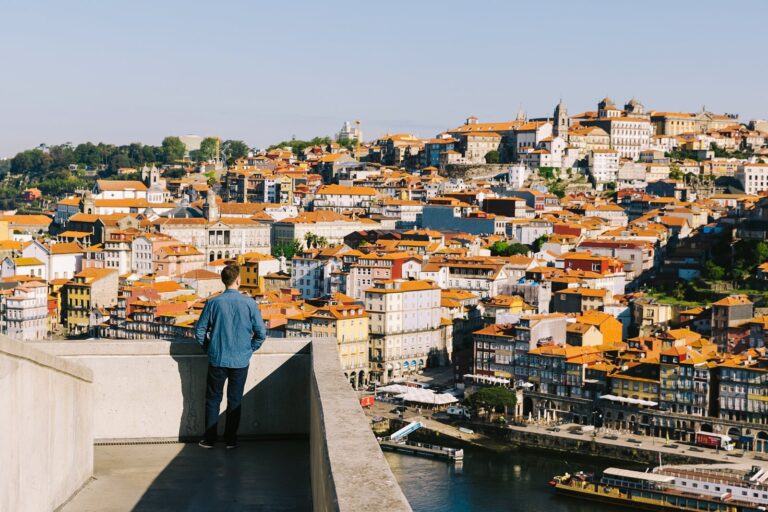
Portugal has long been overshadowed by its more famous European neighbors, yet it delivers exceptional value for travelers who time their visits correctly. Fall represents the sweet spot for visiting this country — you’ll encounter warm, dry, sunny Mediterranean weather without the peak-season crowds or peak-season pricing that characterize summer travel.
For most of Europe, summer tourism means higher prices and shoulder-to-shoulder crowds. Portugal is no exception, but the shift is particularly pronounced here. Fall provides milder temperatures, wider hotel availability, thinner crowds, and easier access to reservations at Michelin-starred restaurants and prestigious wineries — all while you’re spending less on flights, accommodations, and car rentals.
Climate: The Case for Fall Over Summer
Portugal’s Mediterranean climate makes it appealing year-round, but summer heat can be intense. During July, temperatures in Lisbon reach levels that demand constant air conditioning and limit outdoor activity to early morning and evening hours. The sweltering daytime heat leaves little margin for unstructured exploration.
Autumn brings a dramatic shift. Expect highs in the 60s and 70s across most of the country, with abundant sunshine. This range allows for full-day outdoor pursuits without the discomfort of summer heat. You can comfortably walk for hours, dine outdoors without overheating, and enjoy Portugal’s numerous rooftop restaurants and waterfront venues at a leisurely pace rather than a hurried one.
Exceptional Value Across the Board
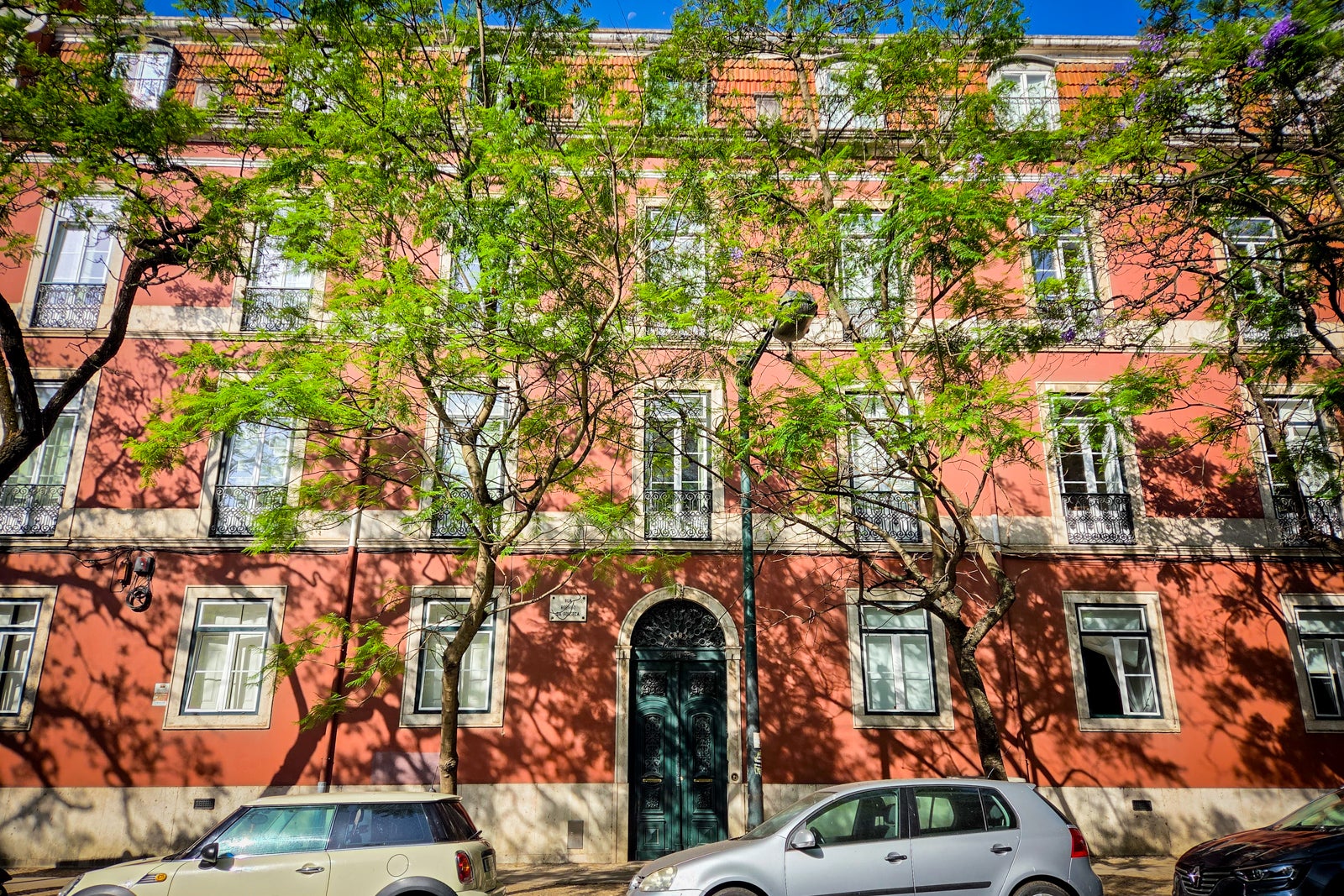
What makes Portugal attractive is not just its temperate fall weather but its reputation as one of Europe’s most affordable destinations — a quality that extends across dining, transit, and accommodations.
Restaurant Prices and Dining
Restaurant costs in Lisbon average around $20 per meal, typically including an entrée and either an appetizer or a drink, sometimes both. An upscale vegan restaurant with a three-course offering cost a visitor $45 total after currency conversion. These prices sit markedly below what you’d pay in Spain, Germany, the U.K., or other Western European countries.
The shoulder season amplifies this advantage. Off-peak pricing extends to restaurants themselves — securing reservations at Michelin-starred establishments or renowned wineries becomes considerably easier once summer tourism subsides. You’re not competing with crowds of package tourists for tables.
Flights, Lodging, and Rentals
Fall shoulder-season pricing benefits extend beyond dining. Airfare, hotel rates, and car rental costs all drop after the summer tourism rush concludes. For budget-conscious travelers, this compounds the value proposition considerably.
Transportation Within the Country
Getting around Portugal without a rental car is entirely feasible thanks to extensive public transportation. Lisbon’s metro system charges under 2 euros for a single trip — approximately $2.20 or less. Comboios de Portugal, the national rail provider, offers one-way tickets from Lisbon to Porto starting around 20 euros ($23). Buses and coaches reach most destinations not served by train, and most maintain year-round schedules. Uber and similar rideshare apps are available in major cities.
Algarve: Beaches and Water Sports
Portugal’s southern coast is centered on the Algarve region, renowned for its beaches. Most sit within easy walking distance of charming villages, golf courses, and hiking trails, allowing visitors to pack diverse experiences into a single trip.
Fall transforms Portugal’s beach scene in ways that matter for active travelers. Water temperatures reach their annual peak in autumn, making swimming more comfortable. More significantly, September’s wind patterns shift favorably for surfing — rough summer winds drop away, creating what surfers call “Goldilocks conditions”: waves larger than summer’s but more manageable than winter’s tumultuous swells. Portugal ranks among Europe’s top surfing destinations, and the fall season represents prime time for catching waves.
You can lounge on beaches or swim in turquoise water throughout autumn without paying peak-season prices or contending with peak-season crowds. The combination of comfortable conditions and lower pricing makes fall the rational choice for beach-focused travel.
Beyond the Coast: Diverse Attractions
Reducing Portugal to beaches would miss the country’s broader appeal. Lisbon alone offers layered attractions. The Lisbon Botanical Garden provides gravel paths through curated plantings; Monsanto Forest Park offers sprawling trails. Traveling outward from the capital reveals mist-shrouded castles in Sintra, the picturesque beach town of Cascais, and historic temples and cathedrals in Evora. This diversity means a single trip can accommodate multiple travel styles — outdoorsy pursuits, cultural exploration, architectural history, and beach relaxation all coexist within manageable distances.
Culinary Traditions and Wine
Portuguese food culture centers on several signature elements. The pastel de nata, a custard tart, borders on a national obsession. Seafood plays a central role: razor clams, sea bass, bream, jumbo prawns, and sardines appear fresh and require minimal augmentation with herbs and spices — the quality of the ingredients speaks for itself.
Dining options extend beyond traditional Portuguese cuisine. Lisbon’s restaurant scene includes Japanese, Tibetan, and other international offerings, all executed at high quality. For travelers with dietary restrictions, the city provides surprisingly robust options, making it accessible regardless of eating preferences.
Portugal’s wine scene represents one of the country’s greatest culinary assets. Over 250 native grape varieties thrive across the country’s varied topography and microclimates, creating wines unavailable elsewhere. The Douro Valley offers wine tastings directly from producers, winemaking tours, and traditional grape-stomping activities. Harvest season — which coincides with fall travel — transforms the vineyards into displays of gold and crimson foliage, adding visual drama to the tasting experience.
Safety and Cultural Atmosphere
Portugal carries a reputation for warm, laidback culture. English proficiency is widespread, eliminating language barriers for most travelers. The U.S. Department of State rates Portugal as a Level 1 travel advisory destination (“Exercise normal precautions”), and it ranks seventh on the Global Peace Index’s most peaceful countries list. For solo travelers — particularly those on their first international trip — this combination of safety and cultural hospitality removes significant friction from the travel experience.
The country also appeals to remote workers. Stable internet combined with affordable pricing means you can maintain productivity while enjoying after-work swims, sunset beverages, and fresh seafood at reasonable costs.
Frequently Asked Questions
What are temperatures like in Portugal during fall?
Fall brings highs in the 60s and 70s across most of the country with abundant sunshine, compared to July temperatures that are sweltering and intense.
How much does dinner cost in Lisbon?
A typical restaurant meal averages around $20 and includes an entrée plus either an appetizer or drink, sometimes both.
Why is autumn ideal for beach activities in Portugal?
Water reaches its warmest temperature in fall, and September's wind patterns create ideal surfing conditions—waves bigger than summer but more manageable than winter storms.
