

Key takeaways
- The Delta SkyMiles Reserve Business offers a record 200,000-mile welcome bonus after $20,000 spending—75,000 miles more than the previous highest offer on this card.
- Personal cards include statement credits alongside miles, with the Platinum reaching $1,380 total value through November 4.
- American Express's one-bonus-per-lifetime and family-rule restrictions mean eligible applicants should act before November 4 or lose the chance permanently.
- The right card depends on your actual Delta flying frequency and six-month spending; the largest bonus doesn't always mean the best value.
Delta Air Lines and American Express are running elevated welcome bonuses across their credit card family through November 4, offering opportunities to earn tens of thousands of SkyMiles along with additional statement credits or travel certificates. The lineup includes options for occasional flyers, regular Delta customers, and small-business owners—each with distinct earning structures and annual fees.
Promotion Timing and Amex Eligibility Rules
All of these welcome offers expire on November 4, making the window a potentially decisive moment for those already considering a Delta card. Before applying, however, cardholders should understand American Express’s eligibility constraints, which can significantly affect who qualifies and which cards are accessible.
When These Offers End
The November 4 deadline applies to nearly every card in the Delta Amex lineup, with one exception: the Delta SkyMiles Blue, which typically carries a standard (non-elevated) 10,000-mile offer and does not have a promotional end date. For all other personal and business cards, applicants need to submit their applications by November 4 to lock in the enhanced bonuses currently available.
Amex’s Once-Per-Card Lifetime Bonus Rule
American Express enforces a strict one-welcome-bonus-per-card-per-lifetime policy. This means that even if years have passed since your last ownership of a particular Delta card, you cannot earn another welcome bonus on that same card again. The practical implication is straightforward: apply for elevated offers when they are available, since you may never see a higher welcome bonus on that specific card in the future.
Higher-Tier Card Restrictions
Personal Delta Amex cards carry an additional eligibility hurdle called the “family rule.” If you currently hold or previously held the Delta SkyMiles Reserve (the premium personal card), you become ineligible for welcome bonuses on the Delta Blue, Gold, or Platinum personal cards. This restriction does not apply to business card holders—those who own business Delta Amex cards are free to apply for personal cards and vice versa, without triggering the family rule limitation.
Amex may also evaluate your credit score, income, and prior relationship with the issuer before determining final eligibility. Fortunately, applicants typically learn whether they qualify for a bonus before committing to the application.
Personal Card Options
Delta offers four personal credit cards, each targeting a different type of traveler. The choice depends on how frequently you fly with the airline, how much you value premium perks, and whether you’re willing to pay an annual fee.
Premium Tier: Delta Reserve
The Delta SkyMiles Reserve is the flagship personal card and appeals to frequent Delta flyers who want premium airport lounge access and elevated earning rates.
The current welcome bonus includes two domestic round-trip Delta Comfort Flight Certificates and 50,000 miles, triggered after $10,000 in purchases within the first six months. The flight certificates require a 21-day advance purchase, and taxes and fees (up to $80 per person) are the cardholder’s responsibility. TPG values this bonus package at $600 in miles plus the value of two round-trip Delta Comfort certificates. The exact value of the flight certificates will vary depending on when and where you use them, making the total worth flexible.
The card earns 3 miles per dollar on purchases made directly with Delta. Annual fee is $75.
Mid-Tier Cards: Platinum and Gold
The Delta SkyMiles Platinum sits between the Reserve and Gold in terms of cost and benefits. New cardmembers can earn up to 90,000 bonus miles plus a $300 statement credit after $4,000 in spending during the first six months. When combined, TPG values this bonus at up to $1,380. Note that not all applicants receive the maximum 90,000-mile offer; some may see lower amounts. The statement credit significantly enhances the offer’s value compared to previous Platinum promotions, making this a timely opportunity to apply.
The Platinum earns 3 miles per dollar on Delta purchases, with an annual fee of $99.
The Delta SkyMiles Gold is positioned for occasional to moderate Delta flyers. The welcome bonus tops out at 80,000 miles plus a $250 statement credit after $3,000 in purchases over six months, valued at up to $1,210 total. Like the Platinum, not all applicants will qualify for the maximum miles. The Gold earns 2 miles per dollar on Delta purchases and carries a $0 introductory annual fee for year one, then $150.
Entry-Level: Delta Blue
The Delta SkyMiles Blue is the no-annual-fee option in the personal lineup. New cardmembers earn 10,000 bonus miles after $1,000 in purchases within six months, worth $120 according to TPG valuations. The Blue does not have a limited-time offer period, making the timing of your application less critical than with other Delta cards.
The Blue earns 2 miles per dollar on Delta purchases. Since it carries no annual fee, it is an accessible entry point for flyers who want to start accumulating SkyMiles without commitment to higher tiers.
Business Card Bonuses
Delta’s business card lineup includes three tiers, matching the structure of the personal cards but with distinct benefits for small-business owners and self-employed professionals.
Maximum Earning: Delta Reserve Business
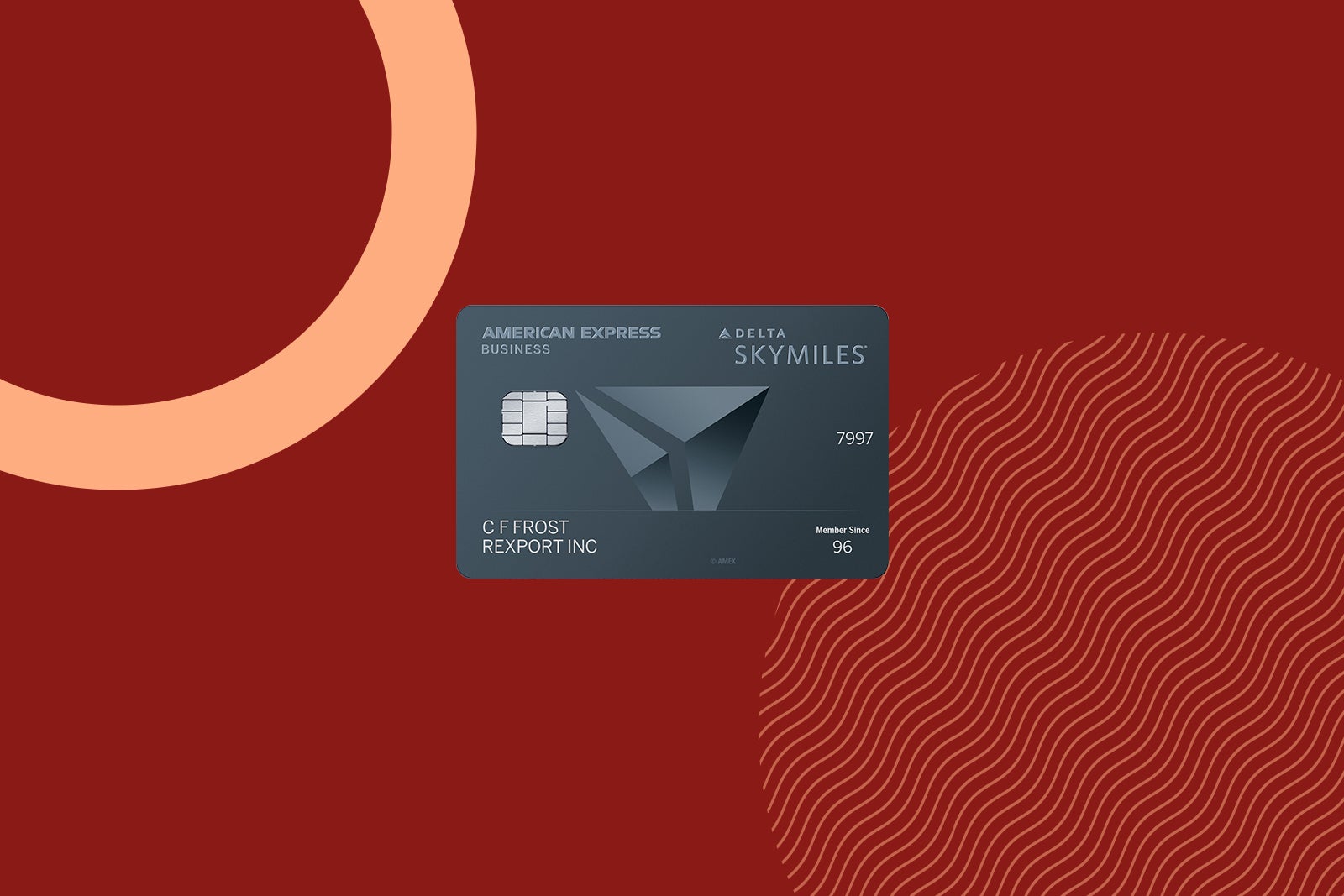
The Delta SkyMiles Reserve Business is running the most aggressive welcome bonus in the company’s history: 200,000 miles after $20,000 in purchases within the first six months. This bonus is 75,000 miles higher than the previous peak offer on this card, making it a historically significant promotion. Applicants will need to meet the $20,000 spending requirement in a six-month window, which is feasible for business owners with consistent monthly expenses or those planning to redirect seasonal costs to the card.
The card earns 3 miles per dollar on Delta business purchases and carries a $595 annual fee.
Mid-Range Business Options
The Delta SkyMiles Platinum Business delivers a 100,000-mile welcome bonus after $8,000 in business purchases within six months. While this bonus has appeared multiple times, it remains among the highest offers the Platinum Business has ever carried. Earning rates are 3 miles per dollar on Delta purchases, with a $195 annual fee.
The Delta SkyMiles Gold Business offers 90,000 bonus miles after $6,000 in purchases over six months, worth $1,080 in TPG valuations. This offer surfaces fairly often but remains competitive. The Gold Business earns 2 miles per dollar on Delta purchases and has a $0 introductory annual fee for the first year, then $150 thereafter.
Comparing Offer Values
To evaluate which card suits your spending habits, consider both the upfront welcome bonus value and the card’s earning power on ongoing expenses.
The Reserve personal card’s certificate component makes direct value comparison difficult—two round-trip certificates could be worth significantly more or less than their stated dollar equivalent depending on ticket prices and travel dates during your redemption window. However, if you fly Delta domestic routes regularly and can use those certificates, the bonus is competitive.
The Platinum and Gold personal cards both offer statement credits alongside miles, a feature that amplifies the opening value compared to prior promotions. The Platinum’s $1,380 total value exceeds the Gold’s $1,210, but the Platinum also carries a higher annual fee and requires more spending ($4,000 versus $3,000 in six months).
For business cardholders, the Reserve Business’s 200,000-mile offer is historically unprecedented for this card. Even accounting for the steep $20,000 spending threshold, the bonus density (10 miles per dollar spent on the bonus itself) outpaces the Platinum Business’s 12.5 miles per dollar and Gold Business’s 15 miles per dollar—though those lower tiers require less spending to hit.
Selecting the Right Card
Choosing among these offers requires matching the card to your actual travel frequency and spending patterns, not just chasing the largest bonus number.
For individuals who fly Delta more than a few times per year and value lounge access, the Reserve personal card justifies its annual fee. For semi-frequent flyers or those working toward elite status, the Platinum card’s elevated bonus and annual fee balance each other within the promotional window. Occasional flyers benefit from the Gold or Blue; the Gold’s $250 credit essentially subsidizes the first year, while the Blue remains free forever.
Business owners should compare the spending requirement against their realistic six-month expenses. A business hitting $20,000 easily should lock in the Reserve Business’s 200,000 miles; one comfortable with $6,000–$8,000 in spending should opt for the Platinum or Gold Business tier.
Since American Express allows only one welcome bonus per card in a lifetime and these offers expire November 4, timing matters. If a Delta card fits your profile, delaying the application until after November risks losing the enhanced bonus permanently.
Frequently Asked Questions
If I previously owned a Delta Amex card, can I earn another welcome bonus on it?
No. American Express’s one-welcome-bonus-per-card-per-lifetime policy is permanent, even if years have passed since you last held that card.
What happens if I held the Delta Reserve—does that affect other card eligibility?
Yes. The personal card family rule blocks you from earning bonuses on the Blue, Gold, or Platinum personal cards if you currently hold or previously held the Reserve. Business cards are not subject to this restriction.
Do I need a high credit score to get approved?
American Express recommends a good-to-excellent credit score, though approval also depends on income and your history with Amex. You’ll typically see your eligibility status before committing to the application.
Frequently Asked Questions
Can I earn welcome bonuses on multiple Delta Amex cards in my lifetime?
No. Amex's one-welcome-bonus-per-card-per-lifetime rule is absolute for each card. Additionally, the personal card family rule blocks you from earning on lower-tier cards if you've held the Reserve. Business and personal cards are evaluated separately.
What credit score do I need to qualify for approval?
American Express recommends a good-to-excellent credit score for the best approval chances, though the issuer also considers income and your existing relationship with Amex. You'll generally see your eligibility status before submitting your application.
Why is the Reserve Business offer worth 200,000 miles when other business cards offer less?
The Reserve Business earns 3 miles per dollar on Delta purchases with a $595 annual fee, targeting frequent business travelers. The Platinum Business (100,000 miles, $195 fee) and Gold Business (90,000 miles, $150 fee after year one) are positioned for lower spending levels and less frequent flyers.
