
Key takeaways
- Alaska temperatures range from 30s Fahrenheit near glaciers to 80 degrees in port towns, requiring layered clothing adjusted throughout the day.
- Waterproof boots, jackets and rain gear are essential; cruise lines and tour operators provide specialized equipment for water activities and glacier excursions.
- Dress codes vary by cruise line, from casual on most ships to opportunities for formal wear on Cunard and longer Holland America sailings.
- Essential items include camera, binoculars, sunscreen, insect repellent, prescription medications in original containers, and both digital and printed copies of documents.
Preparing a bag for an Alaska cruise requires a different mindset than tropical cruising. While Southeast Alaska does not deliver truly Arctic conditions, the region’s variable weather and terrain demand careful consideration. Understanding what to bring means the difference between enjoying wildlife viewing and glacial landscapes or spending your time uncomfortable and unprepared.
Understanding Alaska’s Weather Patterns
Temperature Variance Across Ports
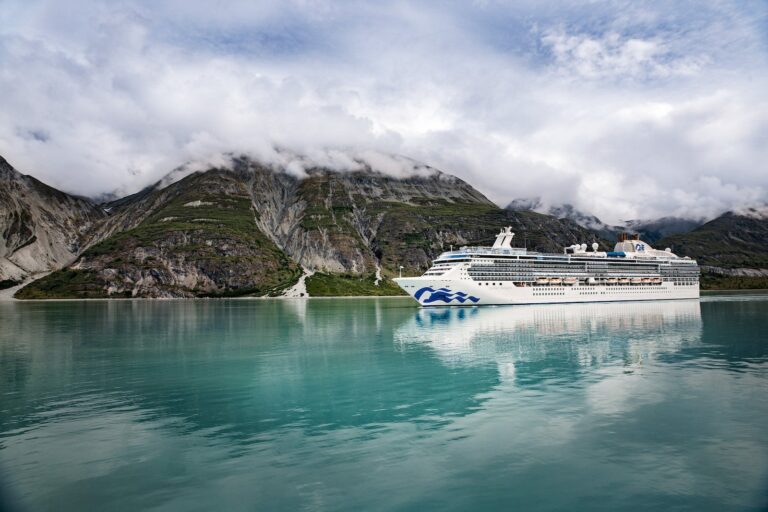
Alaska’s weather shifts dramatically depending on elevation and proximity to water. In the prime cruising region of Southeast Alaska, temperatures vary widely between locations. When ships visit glacier-viewing sites such as Glacier Bay National Park, Yakutat Bay (home to Hubbard Glacier) and College Fjord, the thermometer hovers in the 30s Fahrenheit. The same sailing may take you to Ketchikan, the historic gold rush town of Skagway, or Juneau, Alaska’s capital, where temperatures reach the 60s or climb above that threshold. Juneau occasionally sees days that hit 80 degrees Fahrenheit. Nights in these port towns cool considerably.
Seasonal Weather Shifts
Precipitation becomes a fixture during Alaska’s peak season. Visitors cruising in July and August should expect rain as part of the itinerary. Those departing in April may encounter snow. Fall sailings bring unpredictable conditions. The prevalence of waterproof Xtratuf boots among Alaskans year-round reflects how seriously the locals take weather preparedness. These rubber boots have become an Alaskan staple precisely because conditions often turn wet.
The Layering Principle
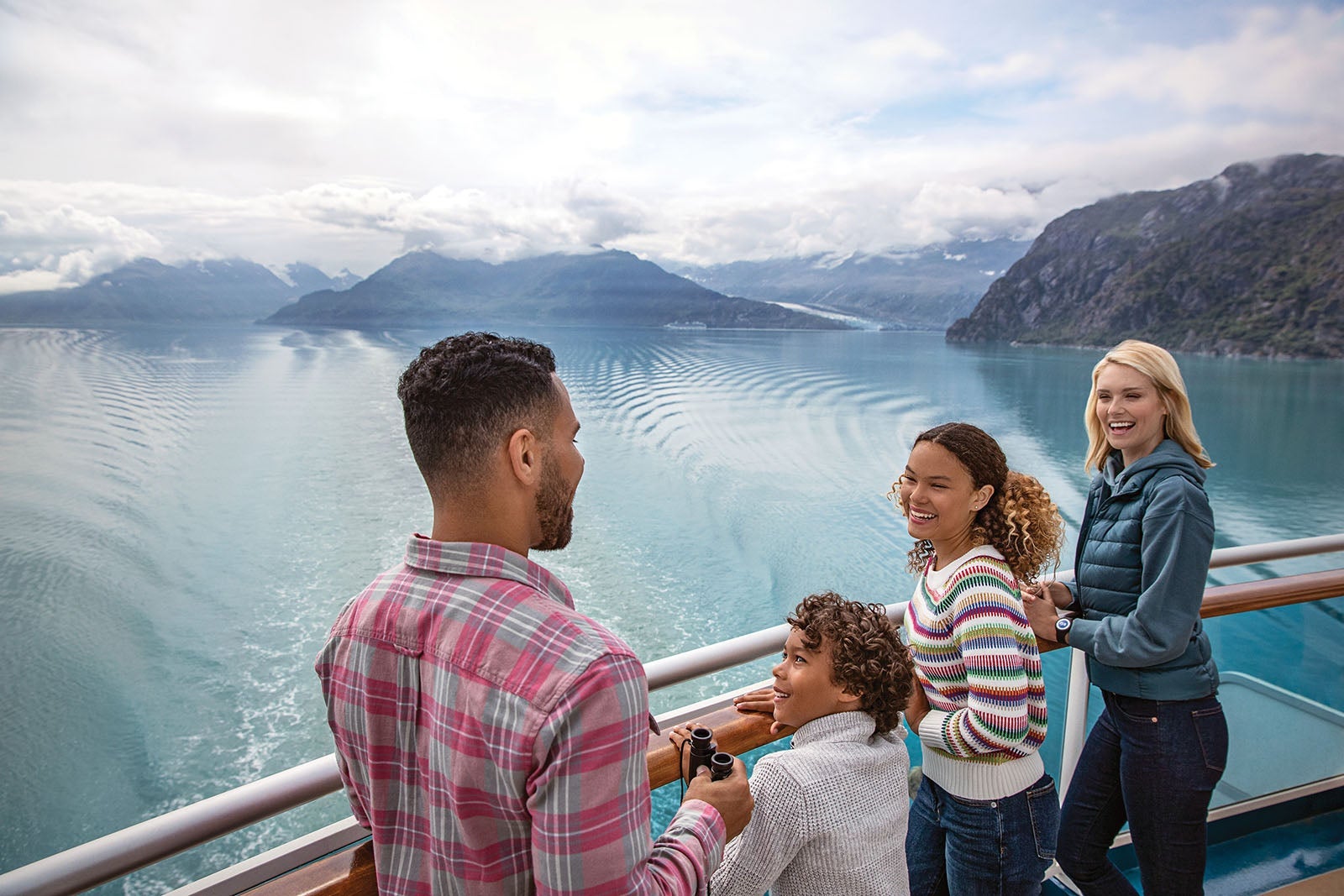
The most effective packing strategy relies on layering. Bring clothing you can add or remove as conditions change throughout the day. Mornings and glacier-viewing excursions demand warmth; afternoons in port towns may feel surprisingly mild. A wardrobe built on this principle handles temperature swings without requiring excessive baggage.
Clothing and Footwear Essentials
Building Your Base
You likely own most pieces already. Fleece jackets and vests serve as reliable mid-layers. Hiking pants with zip-off sections provide flexibility between full-length and shorts configurations. Basic rugged footwear covers most needs. This is not an expedition requiring outfitting at specialty retailers like REI or L.L.Bean unless you specifically plan strenuous activities. Casual comfort clothing dominates the atmosphere aboard ship during daylight hours.
Waterproof Protection
Waterproof jackets, boots, and hats are non-negotiable. An umbrella offers protection during port walks. For early and late-season sailings, warm parkas, gloves and scarves provide essential insulation, particularly when standing on deck to watch glaciers calve.
Shore Excursion Considerations
Tour operators handle gear provisioning for structured excursions. Booking a dog-sledding adventure on a glacier means the operator supplies parkas and cold-weather gear. Kayaking excursions include waterproof outfits from the company. You bring your base layers and the operator completes the setup.
Evening Attire and Dress Codes
Cruise Line Variations
Dress expectations shift depending on your cruise line. Princess Cruises and Holland America designate specific nights as casual or dress-up occasions, though the definition of “dressed up” remains modest. Other lines embrace an always-casual approach to shipboard dinner. Some operators classify certain evenings as informal, smart casual, or “elegant chic,” expecting passengers to wear items such as a nice sweater or blouse for women, or a sport coat for men.
Formal Opportunities
Cunard and, to a lesser degree, Holland America attract passengers who enjoy dressing more formally for dinner. Some guests wear suits and gowns, particularly on itineraries lasting longer than a week. If formal evenings do not appeal, casual dining venues aboard ship offer an alternative. Alternatively, late-night port stays in Ketchikan, Juneau, or Skagway let you seek local restaurants specializing in king crab and wild Alaska salmon, where diners typically dress for comfort rather than formality.
Technology, Optics, and Protection
Cameras and Binoculars
A camera with zoom capability or a smartphone capable of quality photography is essential. Ensure you pack chargers and sufficient memory for hundreds of photos. A portable charger sustains devices during full-day excursions. Binoculars warrant particular emphasis. Your ship may stock binoculars, but personal binoculars guarantee you do not miss whales, bears, eagles, or close-up glacier views. For hikers, a retractable walking stick handles uneven terrain.
Sun and Insect Defense
Despite cold temperatures, Alaska receives bright sunshine. Sunscreen prevents burns during long outdoor days. Alaska’s mosquito population is substantial, making bug spray a practical necessity. For damp excursions or water activities, pack a dry bag to protect electronics and personal items. A day pack stashes extra layers you shed as temperature allows.
Documents, Health, and Necessities
Medication and Health Supplies
Prescription medications should exceed your expected needs by at least one to two weeks beyond your sailing duration. Alaska’s port towns are small, and their pharmacies often lack less common prescriptions. Keep medications in original, labeled containers. Split your supply between carry-on and checked luggage in case one bag is lost. Motion sickness remedies such as Dramamine or acupressure wristbands prove valuable during rougher stretches like the Gulf of Alaska crossing and the open-water approach to Sitka. Ship medical centers stock seasickness tablets, but having your own remedy on hand prevents the need to locate the medical center mid-swell.
Documentation Strategy
Verify your cruise line’s entry requirements before packing. Some Alaska sailings accept a passport card or birth certificate with photo identification; others mandate a full passport. Keep both digital copies (stored on your phone or emailed to yourself) and printed copies of identification, passport, and boarding documents. Store copies separately from originals.
Food and Laundry Services
Pack shelf-stable snacks such as granola bars, protein bars, trail mix, and dried fruit. Cruise lines rarely provide snacks between meals, yet they prove invaluable during long bus or train shore excursions, especially when traveling with children. Many ships offer self-serve, complimentary laundry facilities or fee-based laundry and dry-cleaning services. This option becomes particularly useful if you extend your cruise with a land tour. You need not pack enough clothing for the entire journey if you can wash during the trip.
Final Considerations
If you forget an item, U.S. dollars work throughout Alaska’s port communities, and familiar brands appear in local stores and pharmacies. Prioritize outdoor functionality over formal attire when uncertain what to include. Ultimately, packing versatility and preparing for temperature and weather fluctuation ensures success on Alaska’s waters.
Source: The Points Guy Articles
Frequently Asked Questions
What temperature should I expect on an Alaska cruise?
Temperatures vary significantly by location. Near glaciers like Glacier Bay National Park, Yakutat Bay, and College Fjord, expect temperatures in the 30s Fahrenheit. Port towns including Ketchikan, Skagway, and Juneau range from 60 degrees and above, with Juneau occasionally reaching 80 degrees Fahrenheit. Nighttime temperatures in port towns are cooler.
Do I need formal clothing for an Alaska cruise?
Requirements depend on your cruise line. Princess Cruises and Holland America designate some casual and dress-up nights, typically asking for smart casual attire like a nice blouse or sport coat. Cunard and some Holland America sailings offer opportunities for more formal wear including suits and gowns, particularly on itineraries longer than one week. Many ships offer casual dining alternatives if you prefer not to dress up.
What specialized gear do tour operators provide for Alaska shore excursions?
Tour operators supply necessary specialized equipment for activities they manage. Dog-sledding expeditions on glaciers include parkas and cold-weather gear. Water activities such as kayaking provide waterproof outfits and equipment. Visitors provide their own base layers and personal clothing, while the operator supplies the specialized gear needed for the specific activity.
