
Key takeaways
- The closure announcement arrived in a formal notice to Florida state officials on June 18, 2024, filed under federal Worker Adjustment and Retraining Notification Act requirements.
- The most consequential change for frequent travelers involves the hotel’s exit from the Marriott Bonvoy loyalty ecosystem.
- The renovation will substantially transform the property’s physical and operational footprint.
- The August 20, 2026, closure date represents the firm deadline for the property’s transition out of Marriott management.
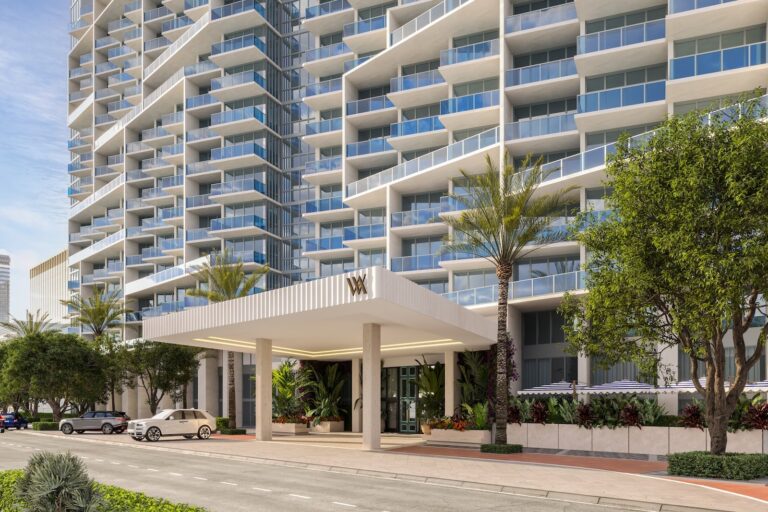
W South Beach will permanently close on August 20, 2026, ending nearly two decades as a Marriott property and marking a decisive exit from the world’s largest hotel corporation. The iconic Miami Beach resort, acquired by British private equity firm Reuben Brothers for $425 million in late 2024, will shutter for extensive renovations before reopening under a new luxury brand—widely rumored to be Hilton’s prestigious Waldorf Astoria line, though the operator has not yet made an official announcement.
The End of an Era: Marriott Departs South Beach
The closure announcement arrived in a formal notice to Florida state officials on June 18, 2024, filed under federal Worker Adjustment and Retraining Notification Act requirements. Marriott International confirmed it will no longer operate the 350-suite property, ceding control to new ownership that has signaled an aggressive repositioning toward ultra-exclusive luxury. The decision represents a watershed moment for one of South Florida’s most recognizable beachfront destinations, which has operated under the W brand’s youthful, design-forward positioning since its original opening.
The transition will displace 337 employees effective August 19, 2026, the largest single layoff event in the property’s history, with no promises of future employment at the renovated hotel. Reuben Brothers stated in communications to industry observers that its investment is “significant and long-term,” and the firm is “finalizing details regarding the new management operator” while preparing to announce the rebranding strategy imminently. Current nightly rates at W South Beach hover around $699 for two adults before taxes and fees, reflecting its established luxury positioning ahead of the closure.
The Hilton Connection: From Marriott Bonvoy to Premium Alternatives
The most consequential change for frequent travelers involves the hotel’s exit from the Marriott Bonvoy loyalty ecosystem. After the transition, guests will no longer earn or redeem Marriott Bonvoy points at the property—a critical shift for loyalty members who have accumulated benefits through stays at Marriott’s global portfolio. Marriott customer service teams have already begun contacting guests with existing point-based bookings to facilitate rebooking at alternative regional hotels or process full refunds of their accumulated points.
Industry observers and social media speculation point toward a rebranding to Waldorf Astoria Miami Beach, the ultra-luxury brand under Hilton’s management, or another unnamed Hilton luxury property line. The rumored shift aligns with broader market trends toward upmarket positioning and exclusive hospitality experiences in Miami Beach, where demand for tranquil luxury has increased significantly. However, Reuben Brothers has not officially confirmed the new brand identity or management operator, leaving the final destination of this high-profile property temporarily shrouded in uncertainty.
Renovation Scope and Strategic Repositioning
The renovation will substantially transform the property’s physical and operational footprint. The hotel will add over 700 new restaurant and bar seats during the closure period, a dramatic expansion that reflects a pivot away from the W brand’s historic “party-hard” reputation toward comfortable, tranquil luxury experiences. The renovation budget is estimated at approximately $30 million, though some sources suggest higher investment figures as part of Reuben Brothers’ commitment to elevating the property’s market positioning.
The 350 all-suite room inventory will remain a cornerstone of the redesigned property, preserving the residential-style accommodation model that has defined W South Beach’s appeal to discerning travelers. The expansion of food and beverage infrastructure signals a strategic emphasis on elevated dining and social experiences, aligning the property with changing preferences among luxury travelers seeking integrated lifestyle amenities beyond traditional hotel services. This repositioning reflects broader shifts in Miami Beach’s hospitality sector, where ultra-exclusive properties increasingly compete on experiential and culinary offerings rather than nightlife-focused programming.
Timeline and Operational Implications
The August 20, 2026, closure date represents the firm deadline for the property’s transition out of Marriott management. No official reopening timeline has been announced by Reuben Brothers, leaving a significant gap in the South Florida luxury market during the high-demand winter season that typically runs from December through April. The closure coincides with peak travel months in Miami Beach, potentially redirecting substantial guest volume to competing luxury properties in the region.
Travelers currently holding reservations at W South Beach after August 20, 2026, should contact Marriott directly to explore rebooking options or point refunds. The property’s location at 2201 Collins Avenue positions it near Miami International Airport and Fort Lauderdale-Hollywood International Airport, maintaining its accessibility advantage for international visitors and domestic leisure travelers. Once reopened under its new brand identity, the hotel will compete directly with other ultra-luxury beachfront properties vying for the high-end segment in South Florida.
A Landmark Shift in Luxury Hospitality Ownership
The departure of W South Beach from Marriott’s portfolio represents a significant corporate development in the luxury hospitality sector. For nearly two decades, the property anchored Marriott’s W brand presence in one of North America’s most prestigious beach destinations, contributing to the corporation’s positioning as the world’s largest hotel operator by room count. The loss of this flagship asset to independent ownership underscores the growing appetite among private equity investors for iconic hospitality properties that command premium positioning and brand equity.
Reuben Brothers’ acquisition and planned repositioning reflect a broader trend among ultra-wealthy investors toward acquiring and repositioning celebrated hotels as standalone luxury brands or affiliations with prestigious independent operators. The transaction valued at $425 million signals confidence in the property’s underlying asset value and its appeal to a clientele seeking exclusive, curated experiences beyond the standardized frameworks of global hotel chains.
What Travelers Should Monitor Ahead
The most critical development to watch involves the official announcement of the new brand operator and brand name, which Reuben Brothers has indicated will arrive imminently. This announcement will clarify whether the Waldorf Astoria speculation proves accurate or whether the property will rebrand to an entirely different luxury banner. The reopening timeline also remains crucial for travelers and industry observers, as it will determine when the renovated property reenters the competitive South Florida luxury market.
Marriott Bonvoy members with existing reservations or point balances should act immediately to secure alternative accommodations or initiate refund processes through official channels. The transition marks a watershed moment for Miami Beach’s luxury hospitality landscape, as one of its most celebrated properties embarks on a transformative chapter under new ownership and a yet-to-be-confirmed brand identity.
