
Key takeaways
- American Express Platinum offers the broadest global network with 1,550 lounges across 140 countries, while Chase Sapphire Reserve excels with generous guest policies allowing two free companions.
- Citi AAdvantage Executive targets American Airlines loyalists despite its $695 annual fee, while Capital One Venture X delivers premium access at $395 for quality-focused travelers.
- Occasional travelers can access Admirals Club or United Club lounges for $150–$350 annually through lower-fee alternatives with limited annual passes.
Air travel involves periods of waiting in environments not designed for comfort. Lounges offer a different setting: designated spaces with seating, beverages and food without boarding, charging stations and quality restrooms. For business travelers especially, a lounge during a layover transforms the dead time into productive hours.
For years, lounge access required elite airline status or premium cabin tickets. The economics have shifted. Today’s premium travel credit cards bundle lounge networks as core benefits, making airport access available through American Express, Chase, Citi and Capital One. The annual fee runs between $150 and $695, but for frequent travelers the break-even math works cleanly.
What Airport Lounges Actually Deliver
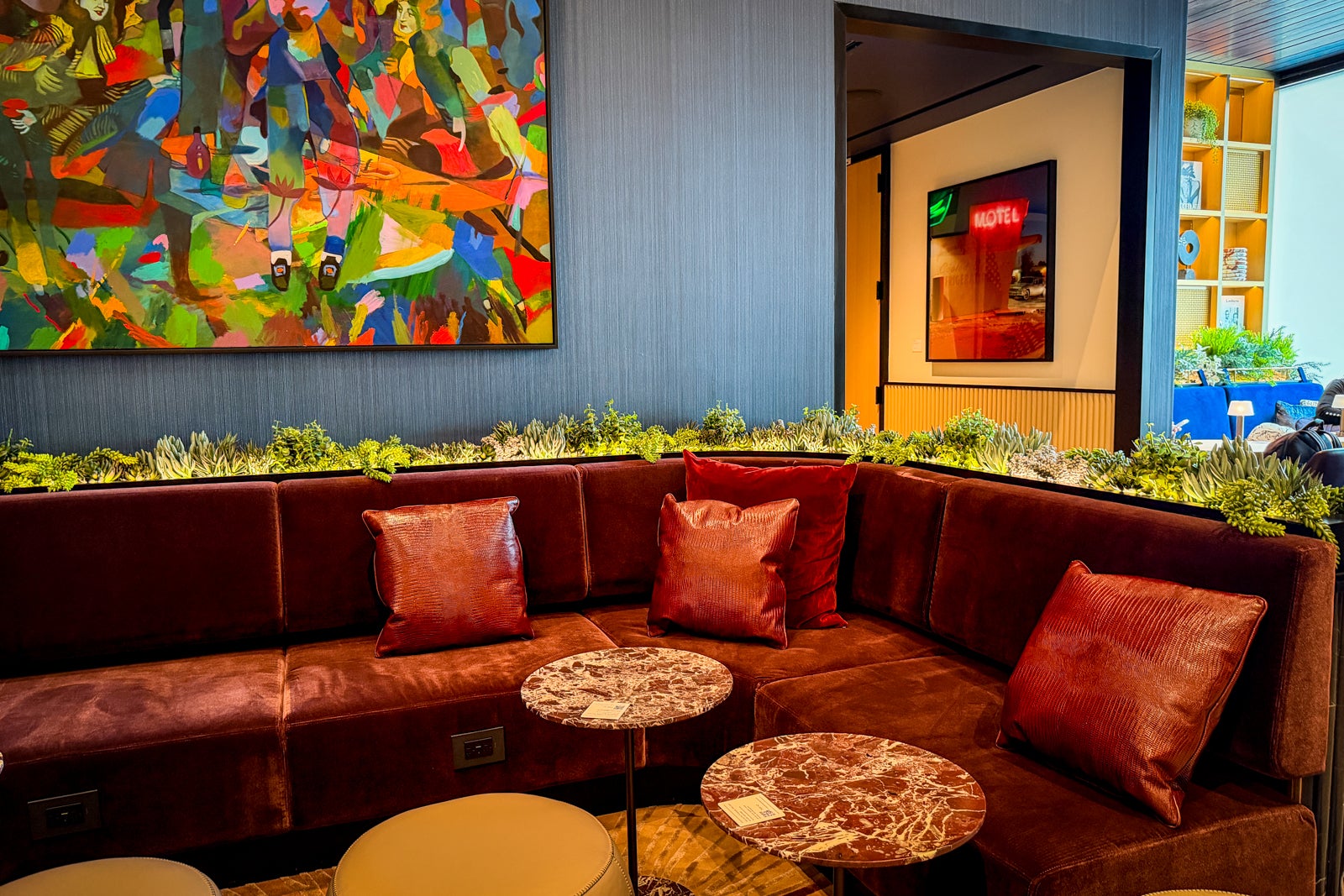
Airport lounges offer consistent benefits across networks: quieter seating than gate areas, complimentary snacks and beverages, charging stations, Wi-Fi and restrooms beyond public facilities. Higher-end lounges feature sit-down dining, premium cocktails, shower facilities and workspace designed for work, not waiting. During delays, a lounge transforms frustration into manageable downtime. On connections, a lounge replaces gate-area fatigue with actual rest.
How Lounge Credit Cards Have Democratized Access
Ten years ago, only business-class flyers and status elites entered lounges regularly. Credit card issuers recognized that lounge access could justify premium annual fees among frequent leisure travelers too. Today, lounge benefits appear on four major premium cards with different networks, fee structures and guest policies. No longer tied to airline status or cabin class, lounge access has become a product you can purchase directly—one decision within choosing a travel rewards card.
Premium Global Networks
Two cards prioritize broad coverage and premium amenities.
American Express Platinum: The Broadest Reach
The Platinum Card connects cardholders to more than 1,550 airport lounges across 140 countries through the American Express Global Lounge Collection. That collection spans Centurion Lounges (exclusive Amex properties), Delta Sky Clubs, Plaza Premium lounges, Escape Lounges and Priority Pass (with enrollment).
Centurion Lounges anchor the network. These properties deliver sit-down dining, premium cocktails, family rooms, showers and wellness spaces. Current locations at Dallas Fort Worth, New York JFK and Salt Lake City serve as major hubs; Boston Logan and Newark are opening new Centurion Lounges.
The card includes 10 Delta Sky Club visits per year (or Grab and Go locations) when flying same-day Delta-operated flights. Spend $75,000 or more annually to unlock unlimited visits. This tier structure matters for travelers flying Delta regularly but not enough to justify elite status.
Guest access requires qualification. Bring guests for $50 per adult or $30 for children ages 2–17. Only cardholders hitting the $75,000 annual spending threshold bring guests free. This guest policy is stricter than some competitors, so factor it in if you travel frequently with others.
Chase Sapphire Reserve: Best for Traveling with Companions
Chase’s nine Sapphire Lounges are located at Boston Logan, New York JFK and San Diego, with Los Angeles International opening a fourth location. These properties emphasize elevated food and premium amenities—grab-and-go options and full dining depending on the hour.
The Reserve’s guest policy stands out. Bring up to two guests into Sapphire Lounges and Priority Pass lounges at no charge. Additional guests cost $27 each. For travelers with a spouse, partner or children, this structure covers most scenarios without additional fees.
Authorized users (at $195 annually) receive their own lounge access and guest privileges. For families or small business teams, adding multiple authorized users consolidates benefits.
The card bundles Priority Pass Select membership, which opens thousands of global lounges plus non-lounge experiences: Minute Suites, spa services and quiet zones. When Sapphire closes or you’re connecting through a hub without one, Priority Pass fills that gap.
Air Canada Maple Leaf Club access applies when flying Air Canada or any Star Alliance carrier. This quietly adds value for multicarrier itineraries on Lufthansa, Singapore Airlines or United.
Airline-Specific and Value-Focused Programs
Two additional cards target different traveler profiles.
Citi AAdvantage Executive: Loyalty Rewards
The Citi AAdvantage Executive carries a $695 annual fee—the highest among cards reviewed. That cost buys complimentary Admirals Club membership. American Airlines recently increased standalone Admirals Club membership fees, making the card’s built-in benefit more valuable than previously.
The Admirals Club network spans nearly 50 lounge locations and more than 60 partner lounges worldwide. Significant hubs cluster at Chicago O’Hare, Phoenix Sky Harbor and San Francisco. Partner lounges include select Alaska Airlines properties and international carriers like Qantas Club.
Guest access is generous. Bring immediate family (spouse, domestic partner, children under 18) or up to two other guests into any Admirals Club with a same-day boarding pass on an eligible flight. A family flying together on American enters the lounge on one membership.
Authorized users get Admirals Club access on eligible itineraries. Adding up to three users costs $175 annually; additional users beyond that cost $175 each.
The tradeoff is airline specificity. Unlike Amex or Chase cards, benefits center on American Airlines flights. This card justifies its cost only for American loyalists.
Capital One Venture X: Quality at Lower Cost
Capital One’s lounge strategy emphasizes quality over quantity. The Venture X ($395 annually) includes Capital One Lounges at Denver, New York JFK and Washington DC Reagan, plus Capital One Landings focused on wellness. Priority Pass membership provides backup access.
Guest access requires payment unless you spend $75,000 annually. Guests cost $45 per adult or $25 per child (ages 2–17) at Capital One venues, or $35 at Priority Pass lounges. Meeting the $75,000 threshold unlocks two complimentary guests at Capital One Lounges and one at Landings.
For solo business travelers or those frequently passing through Denver, New York or DC, the Venture X delivers premium spaces at a lower annual fee than competitors.
Budget-Friendly Alternatives for Occasional Travelers
Lounge access need not require a premium annual fee. Two options serve travelers taking only a few annual trips.
The United Explorer Card costs $0 for the first year, then $150 annually. You receive two United Club passes each year after account opening and on each anniversary—four passes in the first year if you apply early in the calendar. For someone taking three to four annual United flights, those passes may cover all needs.
The Citi AAdvantage Globe Mastercard costs $350 annually and delivers four Admirals Club lounge passes per year. One pass admits an adult; up to three children under 18 can accompany that adult on the same pass. Passes remain valid for 24 hours across multiple Admirals Club locations during a single trip, useful for itineraries with connections.
Choosing the Right Card for Your Travel Pattern
Selecting a lounge card requires matching benefits to actual travel behavior. Frequent international travelers benefit from Amex Platinum‘s 1,550-lounge network. Travelers with regular companions value Chase Sapphire Reserve’s guest generosity. American Airlines loyalists find clear ROI in Citi AAdvantage Executive’s high fee. Solo travelers or those using specific routes find Capital One Venture X’s lower cost appealing.
The gap between annual fee and the value of lounge access—measured against day-pass costs or time saved avoiding gate areas—closes differently for everyone. A Dallas-based executive flying twice monthly accesses Centurion Lounges regularly. A leisure traveler flying a few times yearly finds a single trip with showers, food and quiet seating justifies modest cost.
Run through your last 12 months of travel: count flights by airline, note hub airports and whether you traveled with others. That history reveals where each card’s benefits activate. When the match is strong, the annual fee becomes an excellent investment in travel comfort.
Frequently Asked Questions
Do airport lounges justify their annual credit card fee?
It depends on your travel frequency. Lounges offer quieter seating, complimentary food and drinks, charging stations and shower facilities. For someone flying twice monthly through major hubs, the cost breaks even quickly. For occasional travelers taking three or four trips yearly, lower-fee cards offering limited passes ($150–$350) may provide sufficient access.
Which card should I choose if I fly multiple airlines?
American Express Platinum reaches 1,550 lounges globally across multiple networks. Chase Sapphire Reserve offers nine branded locations plus Priority Pass and Air Canada Maple Leaf access on Star Alliance carriers. Choose Amex for international travel and broader coverage; choose Chase if you frequently travel with companions (two guests enter free).
What's the difference between Priority Pass and Centurion Lounges?
Centurion Lounges are premium American Express-branded properties featuring sit-down dining, cocktails, showers and wellness spaces at major hubs like Dallas, New York JFK and Salt Lake City. Priority Pass is a membership network accessing thousands of lounges worldwide with more variable quality and amenities. Centurion targets elite experience at key airports; Priority Pass prioritizes global coverage.
