
Key takeaways
- Hotels are commercial establishments that offer private rooms with ensuite bathrooms, housekeeping services, and front-desk support available around the clock.
- Hostels offer dormitory-style accommodations—shared rooms with multiple beds—alongside private rooms at lower prices than traditional hotels.
- Vacation rentals—properties rented directly by owners through platforms like Airbnb , Vrbo, and Booking.com —range from studio apartments to multi-bedroom houses with full kitchens, laundry facilities, and living spaces.
- Fifty years ago, travelers had essentially two options: hotels or guesthouses run by local families.
Accommodation decisions shape every aspect of your travel experience, from your daily budget to the people you meet and the neighborhoods you explore. Whether you’re planning a weekend getaway or a month-long international journey, understanding the differences between hotels, hostels, and vacation rentals enables you to select lodging that aligns with your priorities and constraints. This choice affects not only your comfort and spending but also your access to local experiences and the rhythm of your entire trip.
Understanding the Three Main Accommodation Categories
Hotels are commercial establishments that offer private rooms with ensuite bathrooms, housekeeping services, and front-desk support available around the clock. They range from budget chains like Motel 6 to luxury properties like the Four Seasons, with pricing and amenities scaling accordingly. Hotels provide consistency—you know what to expect whether you’re staying in São Paulo, Barcelona, or Bangkok, as major chains maintain standardized room layouts, bed quality, and service protocols across locations.
The hotel industry emerged in its modern form during the 19th century with the opening of establishments like the Tremont House in Boston in 1829, which introduced innovations such as indoor plumbing and locks on individual room doors. Today, the global hotel market generates over $500 billion annually, with branded chains controlling roughly 60 percent of the market share in developed countries.
Hostels as Social and Budget-Conscious Alternatives
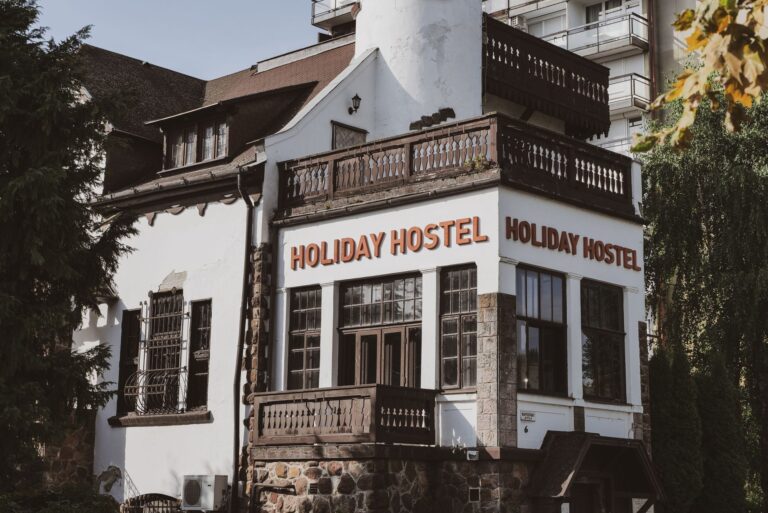
Hostels offer dormitory-style accommodations—shared rooms with multiple beds—alongside private rooms at lower prices than traditional hotels. These establishments prioritize community through shared kitchens, common lounges, and organized social events that encourage guest interaction. A hostel bed in a four-bed dormitory typically costs between $15 and $40 per night in most global destinations, compared to $80 to $200 for a hotel room in the same area.
The modern hostel movement began in Germany during the 1920s with the Altherberge organization, which created affordable lodging for youth travelers and hikers. The concept expanded internationally, and today over 10,000 hostels operate worldwide under brands like Hostelling International and HI, accommodating approximately 40 million guests annually across Europe, Asia, and Latin America.
Vacation Rentals: Flexibility and Local Integration
Vacation rentals—properties rented directly by owners through platforms like Airbnb, Vrbo, and Booking.com—range from studio apartments to multi-bedroom houses with full kitchens, laundry facilities, and living spaces. These accommodations appeal to travelers seeking longer stays, families requiring multiple bedrooms, or visitors wanting to cook their own meals and live like residents rather than tourists. Rental prices vary dramatically based on location, size, and season, but often provide better value for groups or extended stays than nightly hotel rates.
The vacation rental market expanded rapidly following Airbnb’s launch in 2008, transforming how travelers access accommodations in destinations worldwide. By 2023, Airbnb alone hosted over 7 million listings across more than 220 countries, fundamentally reshaping urban tourism and residential rental markets in cities like Barcelona, Venice, and New Orleans.
The Evolution of Accommodation Choice in Modern Travel
Fifty years ago, travelers had essentially two options: hotels or guesthouses run by local families. The rise of budget airlines in the 1990s, beginning with Ryanair’s expansion across Europe, created demand for cheaper accommodations to match reduced flight costs. This gap spurred the growth of hostel networks and, later, the peer-to-peer rental model that emerged once smartphone technology and payment systems made short-term rentals logistically feasible.
In 2010, when Airbnb was barely two years old, the company had fewer than 10,000 listings; by 2015, it surpassed one million. This explosive growth paralleled smartphone adoption rates—now over 80 percent globally—which made browsing and booking accommodations on mobile devices routine for the average traveler.
Matching Accommodation Type to Your Travel Goals
Your accommodation choice should reflect your primary travel objectives and personal preferences. Solo travelers or backpackers prioritizing budget and social connection typically find hostels ideal, as the shared environment naturally facilitates friendships with other guests and local staff who provide insider recommendations. Couples or families seeking privacy, flexibility in meal timing, and the ability to spread out across multiple rooms benefit from vacation rentals, which also reduce per-person costs for groups compared to booking multiple hotel rooms.
Business travelers and visitors seeking predictable service, daily housekeeping, and immediate assistance typically prefer hotels, where front-desk staff handle reservations, provide directions, and manage issues without requiring guest problem-solving. A consultant traveling to São Paulo for a week-long conference would find a hotel’s reliability valuable, whereas a family of four spending three weeks exploring the Brazilian coast would save substantially through a vacation rental’s kitchen facilities and multiple bedrooms.
Cost Analysis Across Different Travel Scenarios
Budget calculations must account for hidden costs beyond nightly rates. Hotels include housekeeping and utilities in their pricing, while vacation rentals often charge cleaning fees ($30 to $150) and service fees ($20 to $100) per booking, plus utility costs for extended stays. Hostels appear cheapest per night but don’t include private bathrooms or kitchens for meal preparation, potentially increasing food expenses if you eat restaurant meals instead of cooking.
A solo traveler spending 14 nights in a major city might pay $1,050 for a hostel bed at $75 nightly, compared to $1,400 for a budget hotel room at $100 nightly. However, if that same traveler books a vacation rental for $900 monthly ($30 daily) with a $50 cleaning fee, the total reaches $950—less than the hostel—while providing private space and kitchen access for meal preparation.
Location, Neighborhood Access, and Local Experience
Accommodation location determines your relationship with a destination far more than accommodation type. A hotel in a tourist district isolates you from residential neighborhoods and local commerce, while a vacation rental in a residential area integrates you into daily community life. Hostels typically cluster in backpacker quarters—areas like the Marais in Paris or La Boca in Buenos Aires—which offer atmosphere but limited exposure to how residents actually live.
Vacation rentals scattered throughout residential neighborhoods provide access to neighborhood markets, local restaurants, and authentic street life. A guest renting an apartment in Lisbon’s Alcântara neighborhood experiences daily interaction with Portuguese speakers, neighborhood bakeries, and local bars frequented by residents, rather than the tourist-focused establishments near centrally located hotels.
Practical Considerations: Amenities, Services, and Flexibility
Hotels provide services that vacation rentals and hostels cannot replicate: daily housekeeping, front-desk concierge assistance, room service, and immediate maintenance response. If your flight arrives at 3 a.m., a hotel will have a staff member available to check you in immediately, whereas vacation rental owners may require advance coordination, and hostels may charge extra fees for early arrival.
Vacation rentals offer flexibility hotels restrict—you can stay as long as you want, cook whatever you prefer, and invite friends without guest-policy limitations. However, you assume responsibility for cleanliness, minor repairs, and coordinating with property management. Hostels provide neither hotel services nor rental flexibility but offer built-in social structures through communal kitchens and organized activities.
Safety, Security, and Trust Factors
Hotels provide standardized security through key cards, security cameras, and staff presence, creating accountability structures that protect guests and property. Vacation rentals require vetting—reading reviews, checking host ratings, and understanding cancellation policies—since individual owners have varying standards and trustworthiness. Hostels occupy a middle ground, with staff oversight of common areas but less security infrastructure than hotels, making them suitable for travelers comfortable with shared-space dynamics.
Platforms like Airbnb implement review systems where both hosts and guests rate each other, creating accountability through reputation. A host with consistently high ratings (4.8 stars or above) across hundreds of reviews demonstrates reliability, while properties with fewer reviews or lower ratings carry greater risk of unmet expectations.
Frequently Asked Questions
Are vacation rentals actually cheaper than hotels for solo travelers?
Not necessarily. While vacation rental nightly rates appear lower, cleaning fees, service charges, and minimum stay requirements often increase total costs. For solo travelers staying fewer than five nights, hotels typically offer better value; for stays exceeding two weeks, vacation rentals usually cost less.
Can you meet other travelers in vacation rentals the way you do in hostels?
Rarely. Vacation rentals isolate you unless you actively seek social situations in the neighborhood. Hostels specifically design their spaces—kitchens, lounges, organized activities—to facilitate guest interaction, making them far superior for travelers prioritizing social connection.
What happens if something breaks or needs repair in a vacation rental?
Property owners are legally responsible for maintaining rental units in habitable condition, but response times vary dramatically. Most professional hosts respond within hours; others may take days. Hotels provide immediate maintenance response as part of their service model, whereas hostels maintain facilities through staff responsibility.
Your accommodation choice ultimately depends on balancing budget, social preferences, desired amenities, and trip duration. Solo budget travelers with flexible schedules benefit from hostels; families or groups benefit from vacation rentals; business travelers and those seeking reliable service benefit from hotels. Understanding these distinctions allows you to select lodging that maximizes both your savings and your satisfaction.
