
Key takeaways
- The Maldives consists of 1,190 coral islands grouped into 26 atolls spread across roughly 900 kilometers of ocean in the Indian Ocean, located southwest of India and Sri Lanka.
- Most international visitors arrive at Velana International Airport in the capital city of Malé, which handles flights from Europe, Asia, and the Middle East.
- The middle section of the itinerary focuses on water-based adventures that define the Maldivian experience.
- While the Maldives is primarily known for resort-based luxury, incorporating local culture into a honeymoon adds meaningful depth to the experience.
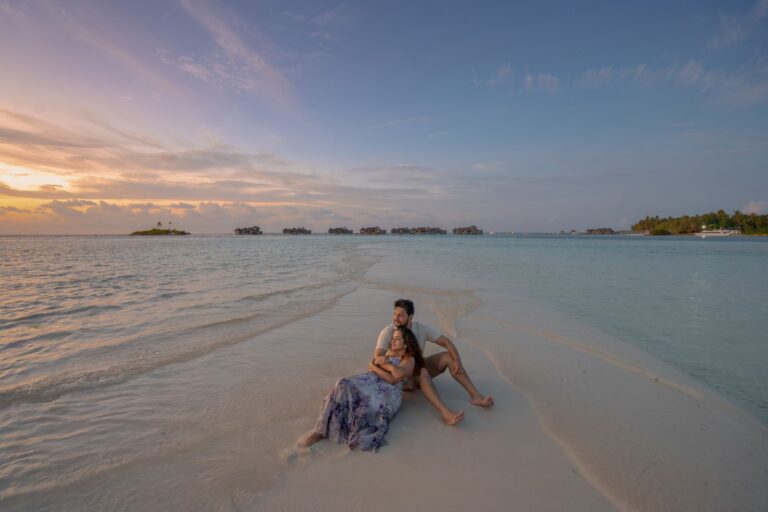
The Maldives has become one of the world’s premier honeymoon destinations, attracting newly married couples seeking privacy, natural beauty, and luxury experiences in a compact island nation. Planning a honeymoon to this Indian Ocean archipelago requires understanding how to balance resort time, water activities, and cultural exploration across a trip that typically ranges from 5 to 10 days. This itinerary provides a practical framework for structuring a memorable Maldivian honeymoon that maximizes both relaxation and adventure.
Understanding the Maldives Geography and Resort Structure
The Maldives consists of 1,190 coral islands grouped into 26 atolls spread across roughly 900 kilometers of ocean in the Indian Ocean, located southwest of India and Sri Lanka. Each resort typically occupies its own island, meaning couples experience complete privacy and seclusion during their stay. The nation’s unique geography means that traveling between islands requires either speedboat transfers, which typically take 20 to 45 minutes, or seaplane transfers that take 30 to 60 minutes and cost considerably more but provide stunning aerial views of the turquoise waters and coral formations.
The Maldives gained international recognition as a luxury destination during the 1970s when the first resort, the Kurumba Island Resort, opened in 1972 in the North Male Atoll. Today, over 150 resorts operate across the atolls, ranging from budget-friendly properties starting at $150 per night to ultra-luxury establishments charging $2,000 or more per night for overwater bungalows with direct lagoon access.
Days 1 Through 3: Arrival and Resort Acclimatization
Most international visitors arrive at Velana International Airport in the capital city of Malé, which handles flights from Europe, Asia, and the Middle East. Rather than spending time in Malé itself, couples should arrange their resort transfer immediately upon arrival, as most transfers depart within 30 minutes to two hours of landing. The first day involves traveling to your chosen resort, checking into your accommodation, and exploring the island’s facilities, beaches, and immediate surroundings. Jet lag typically affects travelers for 24 to 48 hours, making this period ideal for light activity rather than demanding excursions.
Days two and three allow couples to establish a rhythm at the resort, often including a sunset dolphin-watching excursion, a guided house reef snorkeling session, and leisurely meals at the resort’s multiple restaurants. Many resorts offer complimentary snorkeling trips to nearby house reefs—the shallow coral formations immediately surrounding each island—where visitors encounter parrotfish, angelfish, and reef sharks without requiring advanced diving certification. These early days build confidence in water activities and allow couples to assess which paid excursions genuinely interest them.
Days 4 Through 6: Water Activities and Exploration
The middle section of the itinerary focuses on water-based adventures that define the Maldivian experience. Scuba diving represents the primary draw for many couples, with dive sites ranging from beginner-friendly shallow reefs to advanced drift dives where currents carry divers along channels between atolls. Couples can pursue PADI certifications (Professional Association of Diving Instructors—the internationally recognized diving qualification system) through resort dive centers, typically completing an Open Water certification in three to four days. Alternatively, certified divers can join guided dives targeting specific marine encounters, such as manta ray feeding sites in certain atolls during specific months when plankton blooms occur.
The Maldives hosting the world’s first underwater cabinet meeting in 2009, when then-president Mohamed Nasheed held a cabinet session on the ocean floor in diving gear to raise awareness about climate change and rising sea levels, demonstrates both the accessibility of diving in the country and the cultural significance of ocean conservation. Beyond diving, couples can book fishing expeditions, surfing lessons on nearby breaks, windsurfing sessions, or catamaran cruises that combine snorkeling with sunset viewing and gourmet dining aboard private vessels.
Days 7 Through 9: Cultural Immersion and Local Experiences
While the Maldives is primarily known for resort-based luxury, incorporating local culture into a honeymoon adds meaningful depth to the experience. Many resorts offer excursions to inhabited islands where couples visit local markets, observe traditional fishing practices, and sample authentic Maldivian cuisine in family-run restaurants. These visits to islands like Maafushi or Ukulhas provide context for understanding how ordinary Maldivians live outside the resort bubble, where the primary language is Dhivehi and fishing remains a significant economic activity despite tourism’s dominance. Such excursions typically cost $60 to $150 per person and last four to six hours.
Couples can also book spa treatments at their resort’s wellness center, where Maldivian and international therapists offer massage styles ranging from traditional ayurvedic treatments to modern Swedish massage techniques. Many resorts feature overwater spa platforms, allowing couples to receive massages while listening to waves beneath their treatment room. Cooking classes at resort restaurants teach couples to prepare Maldivian dishes using local ingredients like coconut, tuna, and tropical fruits.
Historical Development of Maldives as a Honeymoon Destination
The Maldives transitioned from a relatively isolated nation dependent on fishing and coconut cultivation into a tourism powerhouse beginning in the 1970s. The government deliberately positioned the country as an exclusive, upscale destination rather than a budget beach destination, a strategy that shaped development patterns and ensured environmental protections through strict resort licensing requirements. The 1990s and 2000s saw exponential resort expansion, with new properties opening regularly across previously untouched atolls.
The 2004 Indian Ocean tsunami that devastated coastal areas across Southeast Asia and South Asia affected the Maldives significantly, with waves reaching up to three meters and causing approximately 80 deaths and $470 million in damages. However, the tourism industry recovered within two years, with resorts rebuilding and implementing improved disaster preparedness measures. This recovery demonstrated both the resilience of the tourism infrastructure and the government’s commitment to maintaining the destination’s appeal to international travelers.
Days 10 and Beyond: Departure Planning
The final days of a Maldivian honeymoon should include packing, final shopping at resort boutiques, and collecting contact information from resort staff members. Most resorts arrange airport transfers on the morning of departure, with guests typically needing to depart their rooms by 11:00 AM. International flights generally depart Velana International Airport in the afternoon or evening, allowing time for a leisurely final breakfast and last-minute beach time.
Couples should budget extra time at the airport, as security procedures in the Maldives can be thorough, and flights often experience minor delays during monsoon seasons when weather affects operations. Purchasing small gifts from local shops—such as coconut oil products, dried fish snacks, or handcrafted items—provides affordable souvenirs that support local artisans and small businesses outside the resort economy.
Frequently Asked Questions
What is the best length for a Maldives honeymoon?
A 7 to 10-day trip provides optimal balance, allowing two to three days of travel time (accounting for flights and transfers), four to six days of resort-based activities, and one to two days for cultural excursions or recovery time. Shorter trips of five days work for couples with limited vacation time but reduce flexibility for water activities that depend on weather conditions.
How much does a typical Maldives honeymoon cost?
Budget estimates range from $2,500 to $5,000 per person for a seven-day trip including mid-range resort accommodation, meals, and basic activities, while luxury honeymoons easily exceed $10,000 per person when choosing premium resorts and numerous paid excursions. International flights from Europe or North America typically add $800 to $1,500 per person to the total cost.
Do couples need diving certification to enjoy water activities?
No—snorkeling from beaches and house reefs requires no certification and allows observation of abundant marine life, while diving certification courses can be completed during the trip itself for interested couples. Non-diving partners can pursue other water activities like fishing, surfing, or simply relaxing while their partner dives.
A well-structured Maldives honeymoon balances the resort’s luxurious isolation with purposeful exploration of water activities and local culture, creating an experience that combines relaxation with memorable adventure. By allocating time thoughtfully across arrival, activity-focused days, cultural experiences, and departure logistics, couples maximize the value of their investment while building lasting memories of this unique destination.
