
Key takeaways
- FAA communications outage causes 1,100 cancellations; Newark loses over half its departures, Philadelphia around a fifth.
- Federal policy guarantees refunds for canceled flights for any reason when you choose not to travel, even for air traffic control failures.
- Credit card travel insurance reimburses hotel, meals, and transportation costs from disruptions if you charged your airfare to the card.
- Airlines issued flexible rebooking waivers, and mobile apps provide the fastest way to rebook without airport lines.
An FAA communications outage centered in Philadelphia spiraled into more than 1,100 flight cancellations across the Northeast by 10:20 p.m. EDT on Monday evening. The outage stemmed from a critical FAA system failure, compounded when a rail worker accidentally severed a fiber line that carries telecommunications for the nation’s air traffic control network. By the time the telecommunications line was restored early that evening, the damage was already done.
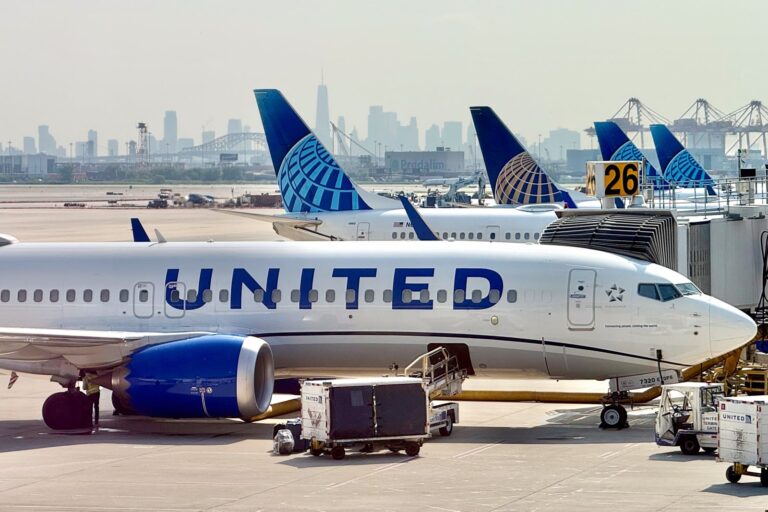
Newark Liberty International Airport (EWR) absorbed the worst of the disruptions, with more than half of all scheduled departures canceled. Philadelphia International Airport (PHL) followed closely, losing around one-fifth of its departures. Ground stops spread across major Northeast hubs including the three primary New York area airports as well as Boston Logan International Airport (BOS), leaving travelers stranded, aircraft stuck on taxiways, and other planes diverted to alternate airports.
United Airlines bore the heaviest operational load, operating a major hub in Newark and logging more than 350 cancellations by Monday evening. The carrier acknowledged the scale of the disruption in a statement to TPG, saying “we know this outage is a significant disruption for our customers” and pledging to safely reroute passengers once normal operations resumed.
What Caused the Outage and Which Airports Were Affected
The FAA’s Philadelphia-based communications system handles critical functions for directing air traffic across the region. When that system went offline, it triggered a cascade of problems. The situation worsened when a rail worker, working near the telecommunications infrastructure, accidentally cut the fiber line that provides backup connectivity to air traffic control systems nationwide.
Transportation Secretary Sean Duffy identified this fiber line severance as a contributing factor to the extended disruption. Although the telecommunications line was repaired by early evening, airports needed hours to clear the backlog of delayed and canceled flights.
EWR and PHL bore the brunt of cancellations, but the disruptions were not limited to those two hubs. All three major New York area airports, including JFK, LaGuardia, and Newark, along with Boston Logan, experienced ground stops at some point during the afternoon, affecting hundreds of flights and thousands of passengers.
How Airlines Responded with Travel Waivers
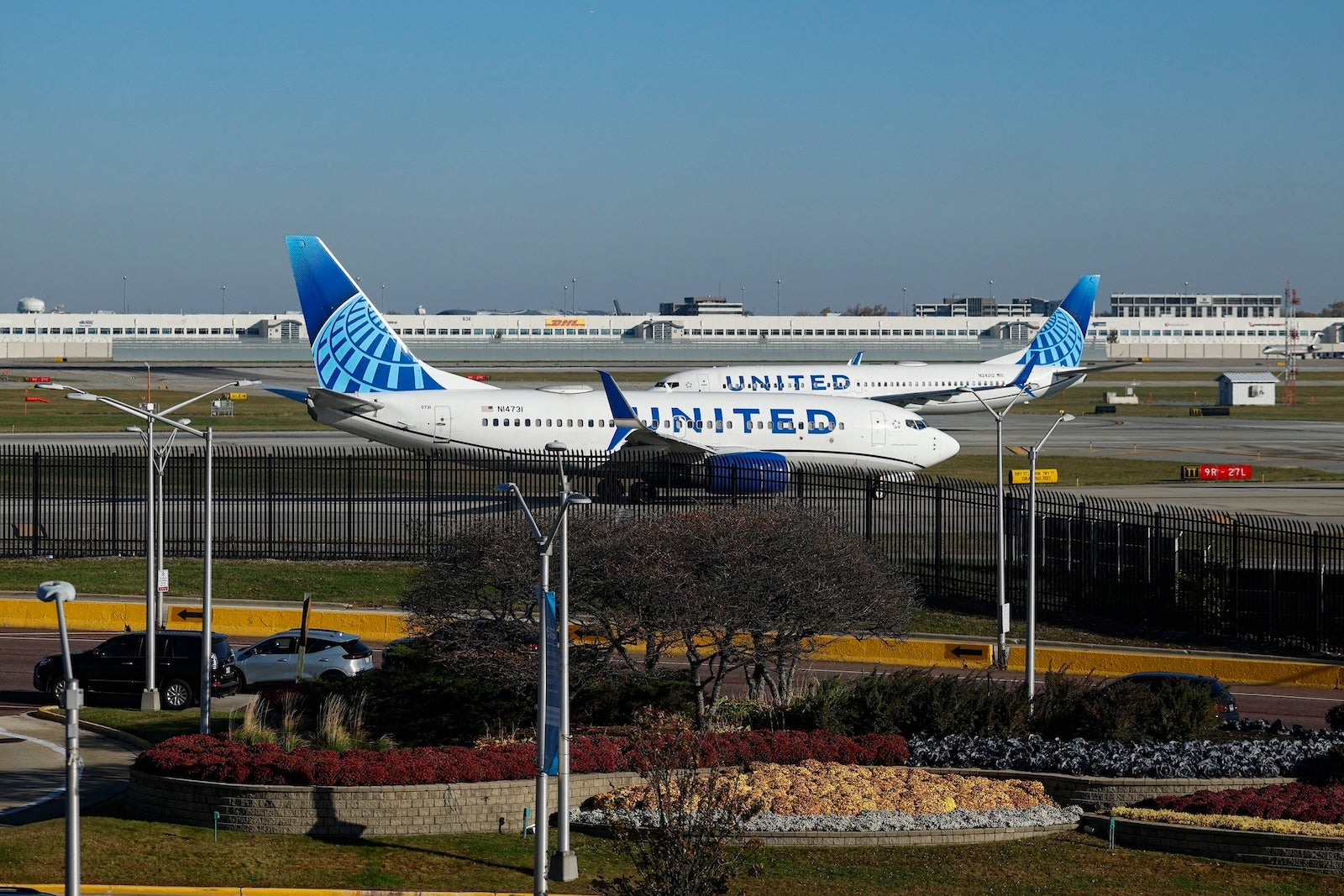
United and other major U.S. carriers issued flexible travel waivers to accommodate affected passengers. These waivers typically allow travelers to rebook onto alternative flights, reschedule their trip for a future date, or book a flight from a different airport within the region, providing valuable options when normal routes face extended recovery periods.
Most waivers extend to the disruption zone, covering Newark and Philadelphia at minimum. The exact terms vary by airline and the specific itinerary, but the core principle remains the same: avoid making stranded passengers absorb the cost of rebooking elsewhere.
Your Immediate Steps: Rebooking and Refund Rights
Use Your Airline’s App to Rebook Yourself
The fastest path to a solution in today’s airline environment is the carrier’s mobile app. Once you have the app downloaded and logged in with your trip information attached, you can typically rebook yourself without waiting in airport lines or holding on the phone. Most airlines now prioritize app-based self-service, and staff resources are often overwhelmed during mass disruption events like this one.
Understand Your Federal Refund Rights
Federal law protects you regardless of the reason for cancellation or delay. Under U.S. Department of Transportation policy, if your flight is canceled or significantly delayed and you choose not to travel, you are entitled to a full refund of your ticket price. There are no exceptions for air traffic control outages.
This protection extends beyond simply flying on the airline’s rebooking. If you decide to book a separate ticket on another carrier to reach your destination, you can cancel your original flight and claim the refund. You can also opt for alternative transportation (train, car, bus) and still qualify for your refund. This flexibility is especially useful when the airline’s rebooking options require a multi-day delay.
Travel Insurance Claims for Out-of-Pocket Costs
Here is where credit card benefits become critical. If you booked your flight with a credit card that includes travel insurance protection, you may be able to file a claim for disruption-related expenses such as hotel rooms, meals, ground transportation, or rebooking fees on other airlines.
However, coverage varies significantly by card, by plan, and by your specific situation. Some plans require that the delay exceed a certain threshold (often 12 or 24 hours) before they reimburse. Others exclude coverage for delays caused by air traffic control issues. The fine print matters. Before making a claim, review your card’s policy documentation or contact the card issuer’s travel benefits line.
Travel insurance claims require documentation. Save every receipt, confirmation number, and expense record related to the disruption. Airlines often will not cover stranded passengers’ incidental costs for air traffic control problems, which makes credit card coverage a critical fallback.
Why Credit Card Travel Insurance Matters
Disruptions like the FAA outage underscore why many frequent travelers carry credit cards with robust travel insurance provisions. These protections activate when you charge your airfare to the card, covering scenarios that the airline will not.
The breadth of coverage depends on the specific card. Some cover trip delays, trip cancellations, lost luggage, emergency medical expenses abroad, and rental car damage. Others focus narrowly on specific hazards. When you book airfare on a card, you are essentially purchasing an insurance wrapper around that ticket.
After a disruption like Monday’s, the travelers who benefit most are those who booked on a card with trip delay insurance, which typically activates after 12 to 24 hours. Additional valuable protections include cards with primary rental car coverage if you rented to bypass the airports, cards with emergency travel assistance for rebooking help or emergency fund transfers, and cards paired with careful record-keeping of all travel-related expenses.
If you do not currently hold a card with these protections and you travel more than once or twice per year, adding one to your wallet is a reasonable step toward reducing the financial risk of situations like this one.
What Happens Next as Operations Normalize
Recovery from a disruption of this scale does not happen overnight. Airlines must position aircraft and flight crews back to their home bases, which can take a full day or more. Residual delays and cancellations are expected to persist into Tuesday as the network absorbs the impact.
Passengers whose flights were canceled far enough in advance should monitor their airline’s website and app for rebooking confirmations. Those scheduled to fly on Tuesday or later should check in early and verify that their flights are operating normally. Secondary waves of cancellations sometimes occur as airlines continue clearing bottlenecks.
The FAA outage is a reminder that despite advances in automation and redundancy, air traffic control remains vulnerable to infrastructure failures and human error. For travelers, the lesson is straightforward: the credit cards you carry and the insurance policies attached to them can mean the difference between absorbing disruption costs yourself or having them covered by the airline or a third party.
Frequently Asked Questions
Are travelers entitled to refunds when flights are canceled due to air traffic control problems?
Yes. Under U.S. Department of Transportation policy, you are entitled to a full refund when your flight is canceled or significantly delayed for any reason, including air traffic control outages, if you choose not to travel.
How can I use credit card travel insurance after a flight disruption?
If you charged your flight to a credit card with travel insurance, you can file a claim for covered expenses like hotel rooms, meals, and ground transportation caused by the disruption. Review your card's policy to confirm coverage and keep all receipts for documentation.
What is the fastest way to rebook after a flight cancellation?
Download your airline's mobile app, log in with your trip information, and rebook yourself directly. This avoids airport lines and phone hold times, which are typically overwhelmed during major disruptions.
