
Key takeaways
- Marriott International has signed a new exclusive beverage agreement with The Coca-Cola Company that will transform how beverages are served across its global portfolio.
- Marriott’s decision to switch beverage partners was driven by concrete guest preference data that overwhelmingly favored Coca-Cola products.
- For millions of travelers staying at Marriott properties worldwide, the beverage transition will begin appearing in guest rooms, restaurants, lounges, and meeting venues starting in July 2026.
- The 34-year partnership between Marriott and PepsiCo represents one of the most stable and extensive beverage agreements in hospitality history.
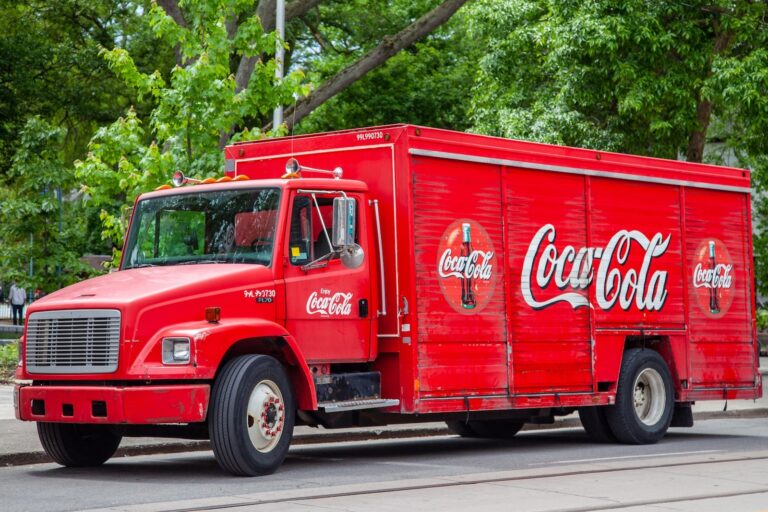
The Coca-Cola Company has officially replaced PepsiCo as the exclusive global beverage provider for Marriott International, ending a 34-year partnership that began in 1992. The phased rollout of Coca-Cola products will begin in July 2026 and roll out across nearly 10,000 Marriott hotels worldwide over the coming months. This marks one of the largest beverage partnership transitions in the hospitality industry and signals a major strategic shift driven by guest preference data.
A Historic Partnership Comes to an End
Marriott International has signed a new exclusive beverage agreement with The Coca-Cola Company that will transform how beverages are served across its global portfolio. Coca-Cola products will now appear in lobby bars, mini-markets, mini-fridges, soda fountains, and event venues at all Marriott properties worldwide, replacing the Pepsi products that have dominated these spaces for more than three decades. The transition represents a fundamental reshaping of one of hospitality’s most visible consumer touchpoints.
The previous partnership between Marriott and PepsiCo began with a loan and service agreement in 1992, making the 2026 switch the end of a 34-year exclusive relationship. Under the old arrangement, franchised Company Brand Hotels received approximately $12.99 million in unrestricted allowances in 2024 alone, provided they maintained Pepsi as their exclusive beverage brand with limited exceptions. The new Coca-Cola agreement will replace this financial model with a data-driven approach to product assortment, packaging, and merchandizing designed to increase beverage sales and enhance the overall guest experience.
Guest Preference Data Drives the Strategic Decision
Marriott’s decision to switch beverage partners was driven by concrete guest preference data that overwhelmingly favored Coca-Cola products. In an official communication to hotel owners, Marriott stated that over 70 percent of Marriott Bonvoy members prefer Coke over Pepsi, making this the primary rationale behind the partnership change. Satya Anand, Group President of Marriott International, confirmed in a letter that Coca-Cola products are preferred globally by a margin of two to one among the hotel chain’s guests.
The beverage agreement encompasses carbonated soft drinks as well as a growing range of hydration and functional beverages, ensuring a complete replacement of the Pepsi brand across all guest-facing areas. Marriott emphasized that Coca-Cola’s data-driven methodology for product selection and merchandizing represents a significant departure from the previous allowance-based model, positioning the partnership as a guest-centric rather than purely financial arrangement. This approach reflects broader industry trends toward personalization and data analytics in hospitality operations.
What the Switch Means for Travelers and Hotel Operations
For millions of travelers staying at Marriott properties worldwide, the beverage transition will begin appearing in guest rooms, restaurants, lounges, and meeting venues starting in July 2026. The phased rollout ensures that hotels will transition to Coca-Cola’s complete portfolio over the coming months, with all nearly 10,000 Marriott properties eventually stocking only Coca-Cola beverages. This represents a coordinated operational shift of unprecedented scale in the hotel industry.
Both The Coca-Cola Company and PepsiCo officially confirmed the change, acknowledging the end of one of hospitality’s longest-running exclusive beverage partnerships. Hotel owners and operators will need to adjust their procurement processes, staff training, and point-of-sale systems to accommodate the new beverage lineup. The transition also signals to competitors in the beverage industry that even the longest-standing hospitality partnerships can be disrupted by data-driven guest preference analysis.
Three Decades of Beverage Dominance Concludes
The 34-year partnership between Marriott and PepsiCo represents one of the most stable and extensive beverage agreements in hospitality history. Beginning in 1992 with a loan and service arrangement, the partnership evolved into a comprehensive exclusive beverage provision system that covered every Marriott property globally. This longevity underscored PepsiCo’s deep integration into Marriott’s operational infrastructure and brand identity.
The financial structure of the previous arrangement—worth approximately $13 million annually in allowances to franchised hotels—demonstrated the substantial economic value of the partnership. Yet despite this entrenched relationship, guest preference data ultimately proved decisive in Marriott’s strategic recalibration toward Coca-Cola.
Timeline and Implementation to Monitor
The Coca-Cola rollout begins in July 2026 and will continue over the coming months until all Marriott properties have transitioned to the new beverage provider. Hotel operators and franchisees should monitor official guidance from Marriott regarding implementation deadlines, training requirements, and the transition process for existing Pepsi inventory and equipment. The phased approach allows for operational adjustments while maintaining service continuity across the global portfolio.
This beverage partnership transition will reshape the guest experience at nearly 10,000 hotels across multiple continents and numerous hotel brands under the Marriott umbrella. The scale and significance of this shift underscore how guest preference data is increasingly driving strategic partnerships in the hospitality industry, even when displacing relationships of decades-long standing.
