

Key takeaways
- Airfares for peak 2026 travel are 9 to 18 percent higher year-over-year, with summer 2025 fares reaching 27 percent above 2024 levels due to elevated jet fuel costs.
- Book holiday flights by late September and spring break trips by late January; elevated fuel costs require earlier booking than traditional timelines.
- Midweek travel saves approximately 13 percent compared to weekends, with savings exceeding $100 per ticket during holiday periods.
- Use Google Flights alerts to track fares continuously, and book when you find a price in your budget rather than waiting for a specific date.
Airfares during peak travel periods in 2026 are running significantly higher than the year before, with summer 2025 fares reaching 27% above 2024 levels. The surge reflects ongoing increases in jet fuel costs, which have disrupted typical pricing patterns and forced travelers to rethink their booking strategies. For the 2026-27 holiday season, the trend continues: cash fares for Thanksgiving are running 9% to 13% higher year-over-year, Christmas bookings are 12% to 18% more expensive, and international holiday flights are up 16% compared to last year.
Adjust your booking window for 2026
The Points Guy generally recommends booking domestic flights one to two months in advance and international flights three to five months ahead of departure. However, 2026 presents unusual conditions that warrant deviating from this standard timeline. Elevated jet fuel prices, airfares already above historical levels, and ongoing geopolitical uncertainty have made waiting for the traditional booking window risky. Travelers planning holiday trips should begin actively tracking fares now and book when they find prices within their budget rather than waiting for a specific date.
Price protection after booking
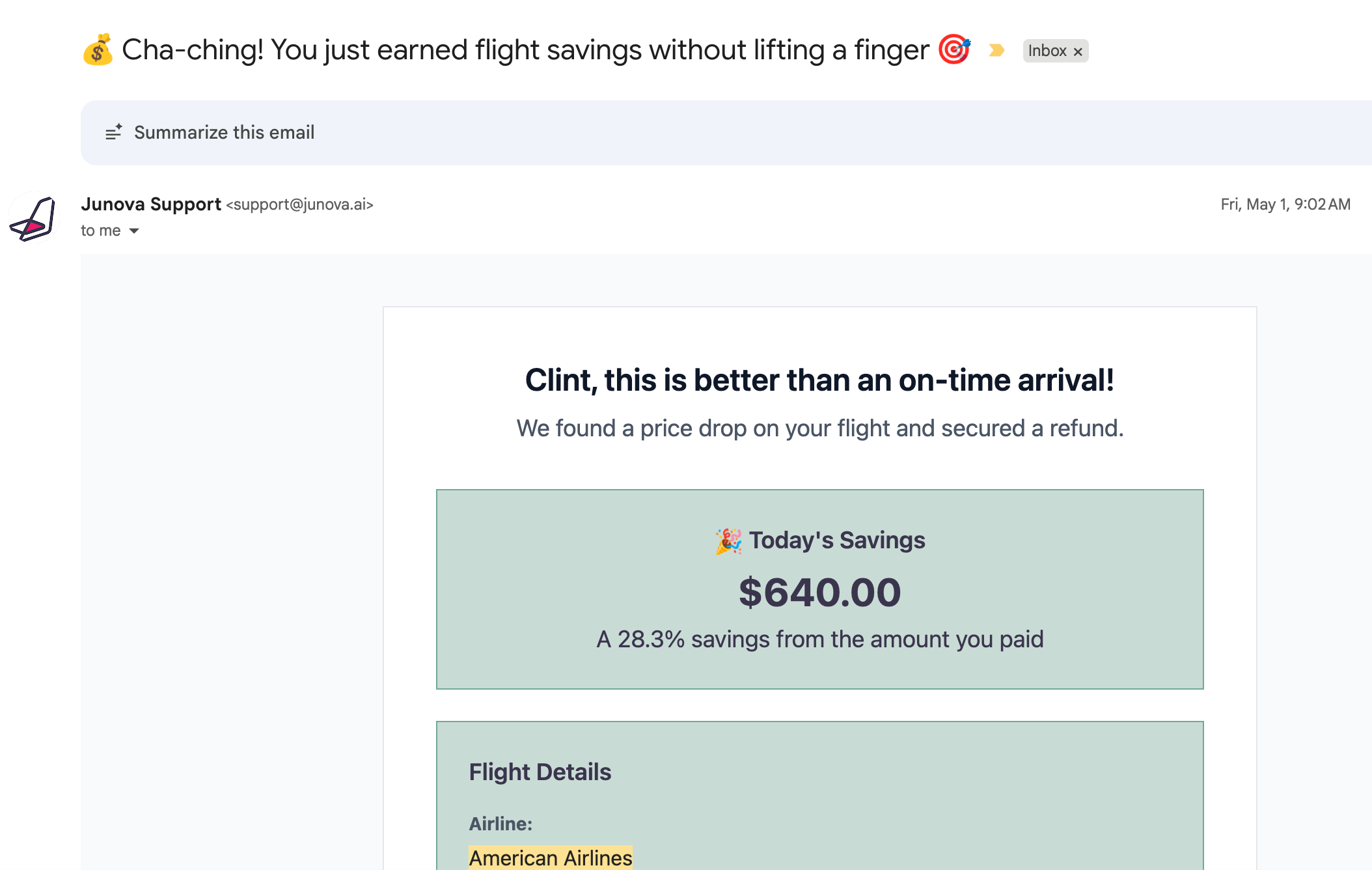
If you booked early and later found a lower fare, you can obtain a trip credit for the price difference—provided you did not purchase a basic economy ticket. Several new artificial intelligence tools automatically track booked flights and secure credits when fares drop, including Autopilot, pAiback, and Junova.
Using Google Flights to monitor fares
Google Flights allows users to set alerts for specific routes and receive email notifications when fares change. A round-trip economy flight from Miami to San Francisco during Thanksgiving week was priced at $319, with Google’s price history indicating that rate was typical for the route. The “Date grid” feature reveals which days offer the lowest fares within a travel window. For trips to Mexico, toggling “Track prices” sends email updates as fares fluctuate. Hopper offers a comparable feature called “Watch This Trip.”
Booking windows by destination type
For domestic travel, lock in bookings in early September or sooner for holiday trips. For New Year’s travel, finalize bookings by the end of September. Spring break trips to March or April destinations should be booked in late January to early February, when prices typically reach their lowest point 43 days before departure. For summer travel to Europe, begin monitoring flights in February. Hayley Berg, Hopper’s lead economist, recommends booking Asia and Oceania trips five to seven months in advance and European trips three to six months ahead.
Tuesday myths and the actual timing that matters
Widespread belief holds that booking on Tuesday guarantees the best airfare price. Lindsay Schwimer, a consumer travel expert at Hopper, and Hayley Berg, Hopper’s lead economist, both dismiss this as myth. Berg stated that “there’s a common myth that booking on a Tuesday will guarantee a traveler the best price,” but emphasized that prices fluctuate so frequently based on route and travel dates that no single day guarantees the lowest fare.
Midweek travel saves 13 percent
While booking day does not affect price, travel day absolutely does. According to a 2025 Google report, flying Monday through Wednesday costs approximately 13% less than weekend travel. Schwimer noted that midweek travelers can save nearly $100 per ticket. Savings spike during spring break and summer vacation months—over $60 per ticket midweek—and exceed $100 per ticket during holidays when midweek flights are chosen.
Time of day and Saturday exceptions
The earliest flight of the day delivers additional savings by avoiding delays and cancellations. Saturday travel occasionally offers discounts in both cash and miles bookings, though midweek generally remains cheaper. Setting an alarm for a 4 a.m. departure rewards discipline with tangible price reductions.
Holiday and seasonal booking strategy
Booking timing varies by destination and season. The Points Guy traditionally recommends booking Thanksgiving flights in early to mid-October and Christmas airfare by Halloween. For 2026, earlier booking is prudent: prices typically climb after Labor Day, making August and September the optimal window.
Winter holidays
Book Thanksgiving flights immediately and Christmas flights by late September. For New Year’s travel, lock in bookings now or by the end of September. Berg emphasized this applies to “really any of the major winter holidays,” recommending booking further in advance than historical norms.
Spring break timing
For spring break in March or April, the traditional booking window is late January to early February. According to the 2025 Google report, the lowest prices appear 43 days before departure, with prices remaining low across a 28- to 61-day window before travel.
Summer and international travel
For European summer holidays, begin monitoring flights in February. Berg recommends five to seven months in advance for Asia and Oceania trips and three to six months for Europe and other regions. These extended windows reflect higher demand and increased competition for award inventory among points and miles travelers.
Interpreting fares and airline schedule patterns
When a fare appears on Google Flights, the platform indicates whether that price is high, low, or typical for the specific route. An unusually high fare may warrant continued tracking rather than immediate booking. Airlines often load schedules at higher initial prices, so following a deliberate booking timeline offers better opportunities to score deals. Berg explained that international travelers frequently overpay by booking either too far in advance or last-minute; the recommended windows represent the sweet spot.
Award bookings follow different timing
Strategy changes substantially when booking with airline points or miles. Airlines often release award inventory for premium cabin seats—business and first class—when booking windows open or at the last minute. Monitoring award calendars during these windows and booking immediately when space appears requires a different approach than cash booking. Points and miles redemptions offer refundability, allowing travelers to lock in a lower cash price while retaining flexibility to use awards if a better opportunity emerges.
Your 2026 booking playbook
Set Google Flights alerts immediately for all peak-season trips. When a fare fits your budget, book without waiting for a theoretically perfect date—the 2026 pricing environment rewards speed. Choose early morning departures on Monday through Wednesday when possible to maximize savings. For cash fares, select airlines offering flight credits for price drops and continue monitoring prices after booking to claim refunds when available. For award bookings, watch for premium inventory releases at the booking window opening and final weeks before departure. Using refundable points or miles provides optionality: lock in a low cash price while retaining flexibility to deploy awards if premium space becomes available. The 2026 pricing environment rewards both preparation and nimbleness.
Frequently Asked Questions
When should I book Thanksgiving and Christmas flights in 2026?
Book Thanksgiving flights immediately and Christmas flights by late September. Prices typically climb after Labor Day, making August and September the optimal booking window for holiday travel.
Is Tuesday really the best day to book a flight?
No. Booking day does not affect airfare price. The myth that Tuesday guarantees the best price is not supported by data. Instead, focus on when you fly: midweek travel (Monday-Wednesday) costs approximately 13 percent less than weekend departures.
What is the best booking timeline for spring break and summer trips?
For spring break in March or April, book in late January to early February, when prices typically reach their lowest point 43 days before departure. For summer travel to Europe, start monitoring in February; for Asia and Oceania, book five to seven months in advance.
