
Key takeaways
- Chase's six United cards range from no-fee entries to $695 premium tiers, with welcome bonuses fluctuating between 50,000 and 125,000 miles.
- The Points Guy recommends waiting for specific offer thresholds on each card: Gateway and Explorer at defined levels, Quest and Club at 90,000 miles minimum, and business cards at 100,000 miles minimum.
- Welcome bonus restrictions lock you out from reapplying once claimed, making early applications at low offer levels cost thousands of miles in forgone opportunity.
For anyone considering a United Airlines credit card from Chase, the welcome bonus represents one of the most powerful mechanisms available for accumulating miles. Chase maintains a portfolio of six distinct United-branded cards, each with its own bonus structure, annual fee, and benefit package. The critical factor determining your success with these cards is not whether you apply, but when.
The Points Guy has tracked offer histories across these cards and observed that welcome bonus levels fluctuate significantly over time. Applying at peak offer windows rather than during valley periods can deliver 20,000 to 40,000 additional miles. This timing advantage matters even more because most United cards restrict how frequently you can earn their welcome bonus, blocking repeat applications for set periods.
Entry-Level: Gateway Card
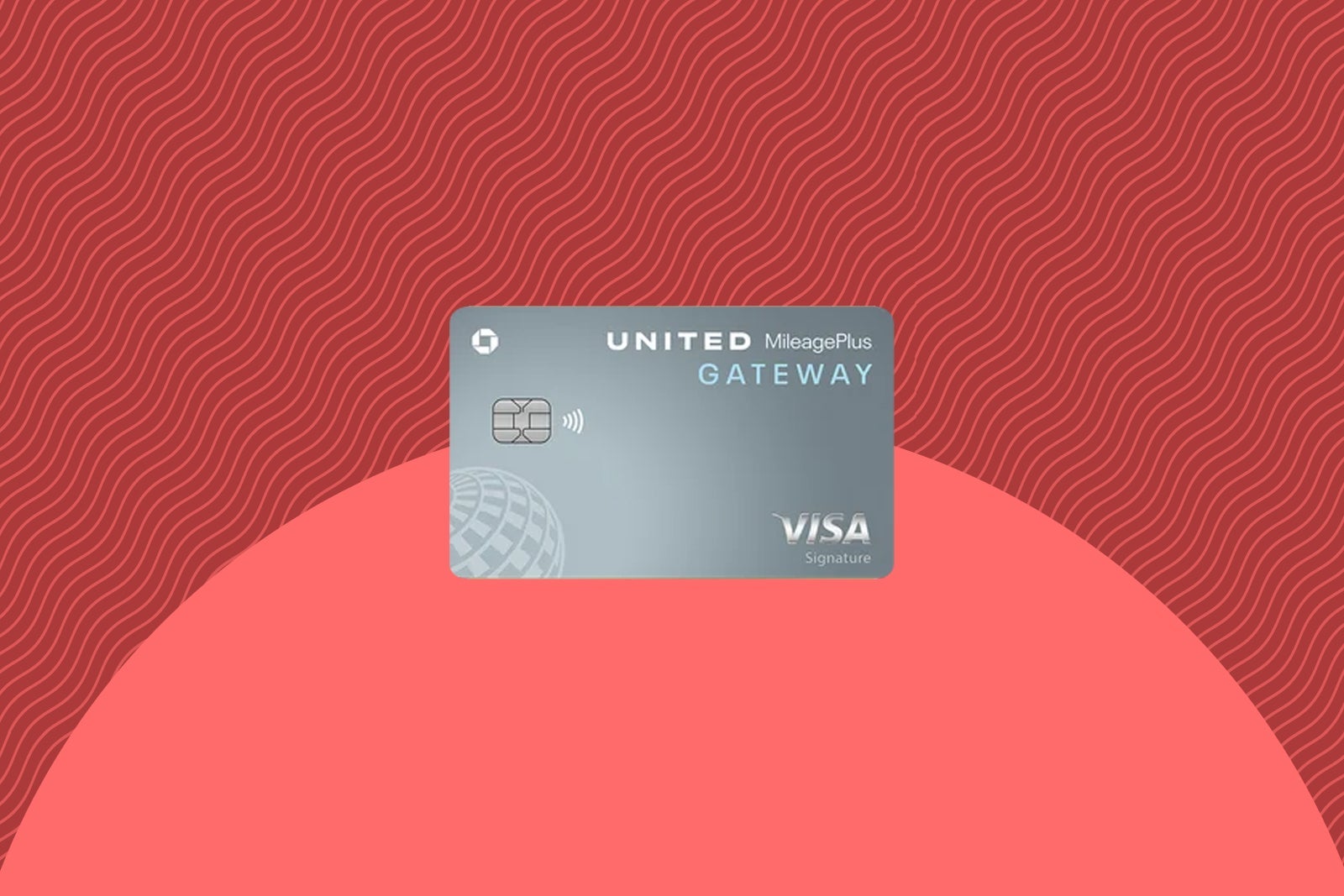
The United Gateway card removes financial barriers by charging no annual fee, making it the logical starting point for flyers testing whether an airline credit card fits their spending patterns. This card’s benefits are straightforward: no year-one fees, earning potential through the welcome bonus and ongoing category bonuses.
The card’s highest-ever welcome offer reached 50,000 bonus miles through a two-part structure: 40,000 miles after spending $1,000 on purchases in the first three months from account opening, plus 10,000 additional miles after adding an authorized user within the same three-month window. According to The Points Guy’s October 2026 valuations, 50,000 bonus miles translates to roughly $750 in redemption value, though actual value depends on how you deploy the miles.
For someone who flies United occasionally and wants to explore whether the rewards justify a dedicated travel card, this no-annual-fee option poses minimal downside. The risk-free entry makes timing less critical than with premium cards, though waiting for the full 50,000-mile offer remains preferable to applying during a promotional lull.
Mid-Tier Personal Cards
United Explorer Card
The United Explorer requires a $150 annual fee. Chase waives this for the first year, giving new cardholders a chance to evaluate whether the benefits justify renewal. Owners receive two annual United Club passes and a free checked bag on any United flight purchased with the card.
Historically, this card has offered as much as 80,000 bonus miles after meeting a $3,000 spending requirement in the first three months. The Points Guy’s offer tracking suggests the card frequently sits below this peak, which is why they recommend holding your application unless the bonus reaches at least 60,000 miles. This guidance reflects the observation that lower offers appear regularly, making patience a worthwhile strategy.
United Quest Card
The Quest card targets United loyalists who value both earning and elite status acceleration. Its $350 annual fee is substantially higher than the Explorer, reflecting a richer benefit package including statement credits and PQPs alongside the welcome bonus.
PQPs (Qualifying Passenger Segments) factor into United’s elite status calculation separately from miles earned. A flyer chasing status progress can accumulate PQPs through card bonuses, helping reach levels like Silver or Gold within MileagePlus. The card’s highest-ever welcome bonus was 100,000 bonus miles combined with 3,000 PQPs, earned after $4,000 in purchases during the first three months. The Points Guy monitors this card’s offers and recommends waiting for at least 90,000 miles paired with PQPs before submitting an application, acknowledging that lower offers are common and that status-conscious flyers should specifically seek bonuses including the PQP component.
Premium Personal Cards
United Club Card
The Club Card sits at the top of the personal card tier, priced at $695 annually. This premium positioning reflects an extensive benefit package: lounge access, travel credits, dining benefits, and perks designed to offset the substantial annual cost for high-frequency United travelers.
The highest welcome offer this card has delivered reached up to 110,000 bonus miles and 3,000 PQPs. The structure worked as follows: cardholders earned 100,000 bonus miles and 3,000 PQPs after $5,000 in purchases in the first three months from account opening, then gained an extra 10,000 bonus miles by adding an authorized user within the same timeframe. The Points Guy recommends not applying unless the offer reaches at least 90,000 miles; those pursuing elite status should specifically seek offers that include PQPs, even if doing so means accepting a slightly lower base miles bonus.
Business Cards
United Business Card
The United Business Card carries a $150 annual fee and serves business owners and self-employed individuals who travel on United. Application requirements are lenient: you need not have a structured business entity to qualify. The benefits mirror the personal card ecosystem but are packaged for business spending contexts.
The highest-ever welcome bonus on this card was 125,000 bonus miles after $5,000 in purchases during the first three months. The Points Guy recommends 100,000 miles as the minimum acceptable threshold, and like other business cards, they suggest waiting for offers that include PQPs if your goal is accelerating toward elite status.
United Club Business Card
For business owners with substantial United travel, the Club Business Card ($695 annually) brings the premium tier benefits into a business card format. The Points Guy independently collected information about this card’s offers, meaning their tracking comes from their own research rather than official card issuer communication.
This card’s highest-ever welcome bonus reached 125,000 bonus miles after spending $5,000 in the first three months. The recommendation parallels the business card: wait for at least 100,000 miles, with preference for bonus structures that include PQPs for those building toward elite status.
Why Strategic Timing Matters Most
Welcome bonus offers fluctuate because Chase adjusts its marketing strategy in response to competitive dynamics, seasonality, and customer demand. Tracking these cycles reveals patterns: peak offers tend to appear around travel season peaks and major airline announcements, while valleys emerge during quieter periods.
What makes timing especially consequential is the welcome bonus restriction built into these cards. Once you earn a welcome bonus on a specific United card, you cannot earn that same welcome bonus again for a set period (typically several years). This means applying prematurely during a low offer window not only costs you thousands of miles on that single application, but also locks you out from reapplying when the offer peaks, creating years of regret.
When you consider the full portfolio of six cards, the cumulative advantage of strategic timing becomes pronounced. Applying to each card at its peak historical offer, rather than whenever impulse dictates, can deliver 50,000 to 100,000 miles in additional value across the entire portfolio. For frequent United travelers, this difference can fund weeks of award travel.
Source: The Points Guy Articles
Frequently Asked Questions
What is the highest welcome offer Chase has given on the United Club Card?
The highest-ever welcome offer on the United Club Card was up to 110,000 bonus miles and 3,000 PQPs: 100,000 bonus miles and 3,000 PQPs after $5,000 in purchases in the first three months, plus 10,000 bonus miles after adding an authorized user.
Why does The Points Guy recommend waiting for specific offer thresholds before applying?
Welcome bonus offers fluctuate regularly, and most United cards restrict how frequently you can earn their welcome bonus. Applying at low offer windows not only costs you miles on that application but also locks you out from reapplying later when the offer improves.
What are PQPs and which cards include them in welcome bonuses?
PQPs (Qualifying Passenger Segments) accelerate progress toward elite status in United's MileagePlus program. The Quest, Club, and both business cards can offer PQPs in their welcome bonuses. The Points Guy recommends seeking these offers if you're pursuing elite status.
