

Key takeaways
- Transfer bonuses typically range from 10–50%, making transfers worth 1.5+ cents per mile if redemptions are planned within 3–6 months.
- LATAM Plus and Gol Smiles are the primary transfer partners for Brazilian travelers, but hotel programs like Hyatt and Hilton Honors offer comparable or better long-term value.
- Timing matters: transfer during airlines' low-demand seasons or before announced award chart increases to maximize bonus value before devaluation.
- Always verify transfer partner devaluation history and confirm specific redemptions before moving points; bonus value evaporates if you can't use accumulated miles strategically.
Transfer bonuses are promotional incentives offered by credit card issuers and points programs when you move points or miles from one program to another partner. Understanding when these bonuses add real value—and when they’re marketing noise—is essential to maximizing redemption value for Brazilian travelers.
Understanding Transfer Bonuses
A transfer bonus is a temporary offer that gives you extra points or miles on top of your balance when you transfer a set amount to a partner program. For example, a promotion might read “transfer 10,000 points, get 5,000 bonus points”—meaning you’d receive 15,000 points in the partner program instead of the standard 1:1 conversion rate.
The mechanics vary by program. Some bonuses are percentage-based (transfer 25,000 points, receive 25% extra equals 6,250 bonus). Others offer fixed bonuses tied to specific transfer tiers. The catch: most bonuses are time-limited, typically lasting 30 to 90 days, and are often region-specific. A bonus available to US cardholders may not apply in Brazil.
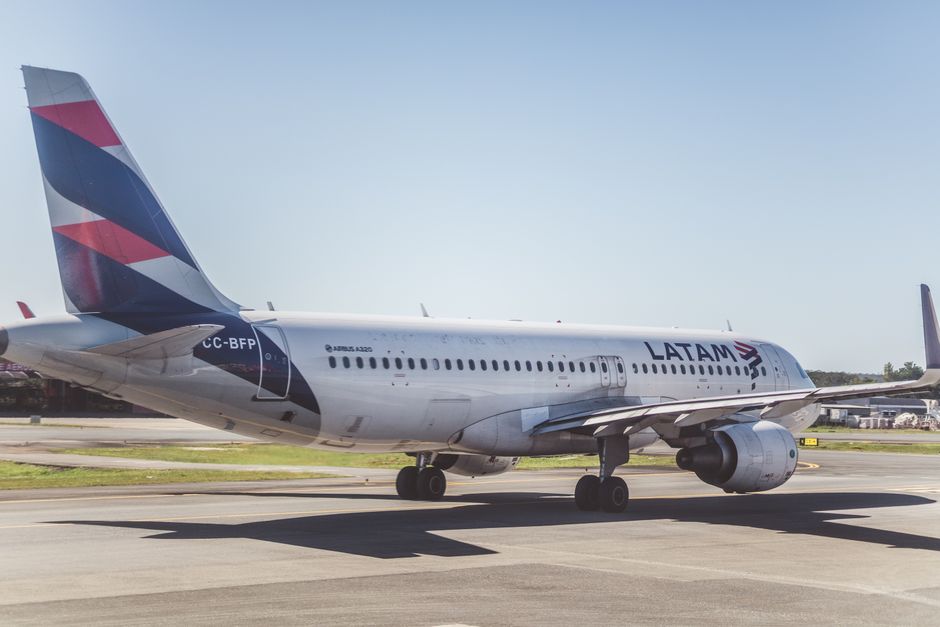
Brazilian travelers should note that transfer bonuses for LATAM Plus (the loyalty program for LATAM Airlines) and Gol Smiles frequently appear through American Express partnerships, but bonus structure and timing differ from what’s advertised in North American markets.
Finding Current Transfer Bonuses
Transfer bonuses hide in plain sight across multiple channels. Your credit card’s rewards portal or mobile app typically displays current transfer offers prominently when you log in—this is often the first place to check. Many card issuers email cardholders directly when new bonuses launch, though these emails can be easy to overlook.
Travel rewards blogs and points aggregator sites track transfer bonus calendars across major programs, but Brazilian-specific information is less comprehensive than US coverage. The official websites of LATAM Plus and Gol Smiles list current bonuses directly, sometimes months in advance.
One practical approach: set a calendar reminder to check your rewards account quarterly. Bonuses cluster around shoulder seasons (March–April, August–September) when airlines push travel and around major promotional dates like Black Friday or end-of-quarter pushes.
The Math Behind Transfer Bonus Value
Whether a bonus is worthwhile depends on comparing the bonus incentive against the devaluation risk of the partner program.
Calculating Effective Value
Say an American Express card offers a 25% transfer bonus to LATAM Plus. You decide to move 20,000 points, receiving 25,000 points in your LATAM account. If LATAM redemption rates average 1.5 cents per mile in Latin America (a reasonable estimate for economy short-haul), those 25,000 miles are worth roughly 375 reais before taxes and fees. The promotion effectively increased your redemption value by 5,000 points’ worth of mileage.
However, this calculation only holds if you can actually use those miles before LATAM devalues their award chart—which they do periodically. In 2024, LATAM increased economy redemption costs on many routes by 10–15%, making future planning risky.
Comparing Partner Devaluation Risk
Established hotel programs like Marriott Bonvoy and Hyatt are relatively stable, with devaluations following predictable patterns tied to annual category adjustments. LATAM Plus, by contrast, has a history of unannounced redemption cost increases. Gol Smiles falls between the two in terms of stability.
For a Brazilian reader, a 25% transfer bonus to Marriott Bonvoy might be more valuable long-term than the same bonus to LATAM, simply because Hyatt and Marriott award categories are more transparent and devalue more slowly.
When to Transfer vs. Spend Directly
The core question: is a transfer bonus better than simply spending accumulated points on redemptions in your card’s own rewards mall?
Direct spending in rewards malls—redeeming points for flights booked through the card issuer’s portal—typically values points at 0.8 to 1.2 cents each. A transfer bonus that increases your effective value to 1.5+ cents per mile (through airline partner redemption math) justifies the transfer.
Transfer bonuses make least sense when:
- The partner program has recently devalued awards by 10%+
- You have no near-term travel planned to that partner’s network
- The bonus is tiny relative to transfer volume (less than 10%)
- You’d be transferring primarily to test a new program rather than redeem specific flights
Transfer bonuses make most sense when:
- You have specific, booked flights or hotel stays in mind within 3–6 months
- The bonus covers 20%+ of transfer volume
- The partner program is stable or recently announced a new award category you want to use
- You’re consolidating points from multiple cards into one airline to reach a higher elite tier
Best Transfer Partners for Brazilian Travelers
Airlines and Hotel Programs
LATAM Plus remains the obvious choice for most Brazilian flyers, since LATAM dominates domestic routes and offers reasonable redemption rates for Brazil-to-US and Brazil-to-Europe positioning flights. A 20,000-mile short-haul redemption (e.g., São Paulo to Rio) is achievable but increasingly costs more with each passing year.
Gol Smiles offers lower redemption costs on some routes and is sometimes overlooked; transfer bonuses to Gol are less common, which means when they appear, they’re often higher percentages (25–30%) to attract volume.
For hotel stays, Hyatt remains consistently undervalued relative to redemption rates, making transfer bonuses to World of Hyatt attractive. Hilton Honors offers more redemptions in Brazil (particularly through chains like Hilton Garden Inn and Doubletree properties), but Hilton devalues more aggressively.
Hotel redemptions also benefit from annual bonuses and elite night certificates, which airline transfers don’t include. This makes hotel transfer bonuses strategically interesting if you’re within striking distance of a free night certificate or elite night threshold.
Timing Strategies for Maximum Bonus Value
Seasonal patterns matter. Airlines push transfer bonuses in low-demand travel windows (May–June, September–October) to stimulate bookings before high-season peaks. Transferring during these windows can feel counterintuitive—why move miles when you’re less likely to use them immediately?—but the answer is simple: you’re locking in value before a devaluation, and you have months to plan redemptions.
The other timing tactic: stack bonuses. If your card offers a 20% transfer bonus while the airline simultaneously offers a “spend 50,000 miles, get 10% back” promotion, you can transfer, earn the airline bonus, and increase effective value by 30%. These overlaps are rare but searchable through program newsletters.
Avoiding Common Transfer Bonus Mistakes
The biggest mistake is transferring to a program solely because the bonus is large, without a redemption plan. A 50% transfer bonus to an unfamiliar airline doesn’t help if you can’t find reasonable award availability six months later.
Another error: ignoring transfer fees. Some programs charge 50–100 reais per transfer. If you’re moving 5,000 points at a time, the fee eats the bonus value. Consolidate transfers when possible.
Finally, transferring right before an expected devaluation is costly. LATAM historically announces award chart changes in July (for August implementation). Transferring in June assumes no change; transferring in August means you’re locked into new, higher costs. Timing around these predictable events requires checking program announcements quarterly.
Frequently Asked Questions
What's the difference between a transfer bonus and a transfer ratio?
A transfer ratio is the standard exchange rate (usually 1:1 between points and miles), while a transfer bonus is a temporary promotional increase on top of that ratio.
Are transfer bonuses available for Brazilian cardholders?
Transfer bonuses vary by region and card issuer. American Express in Brazil offers bonuses to LATAM Plus and Gol Smiles periodically, but frequency and size differ from US markets.
When should I transfer points instead of redeeming them directly through my card's portal?
Transfer when the bonus increases effective value to 1.5+ cents per mile and you have specific redemptions planned within six months; otherwise, direct redemption often provides similar or better value.
